Navigating Licensing for Free Stock Video
Integrating dynamic visual content into projects often hits a snag when it comes to understanding usage rights for free stock video. A visually compelling clip loses its value if its license restricts commercial use or demands attribution in a way that disrupts your project’s flow. This friction point forces creators to either compromise on visual quality or spend valuable time deciphering complex legal terms. For instance, a quick social media ad needs clips that are clearly free for commercial use without hidden attribution clauses, unlike a personal portfolio piece where a credit might be acceptable.
The core challenge isn’t just finding free footage, but finding footage that aligns with your project’s specific licensing needs. Some platforms offer broad, no-attribution licenses, while others require careful review of each clip’s terms. Without a clear understanding of these distinctions, even a free asset can become a liability. This guide cuts through that complexity by comparing five free stock video libraries based on their licensing, attribution, and commercial use policies.
Mixkit: Broad Permissions, No Attribution
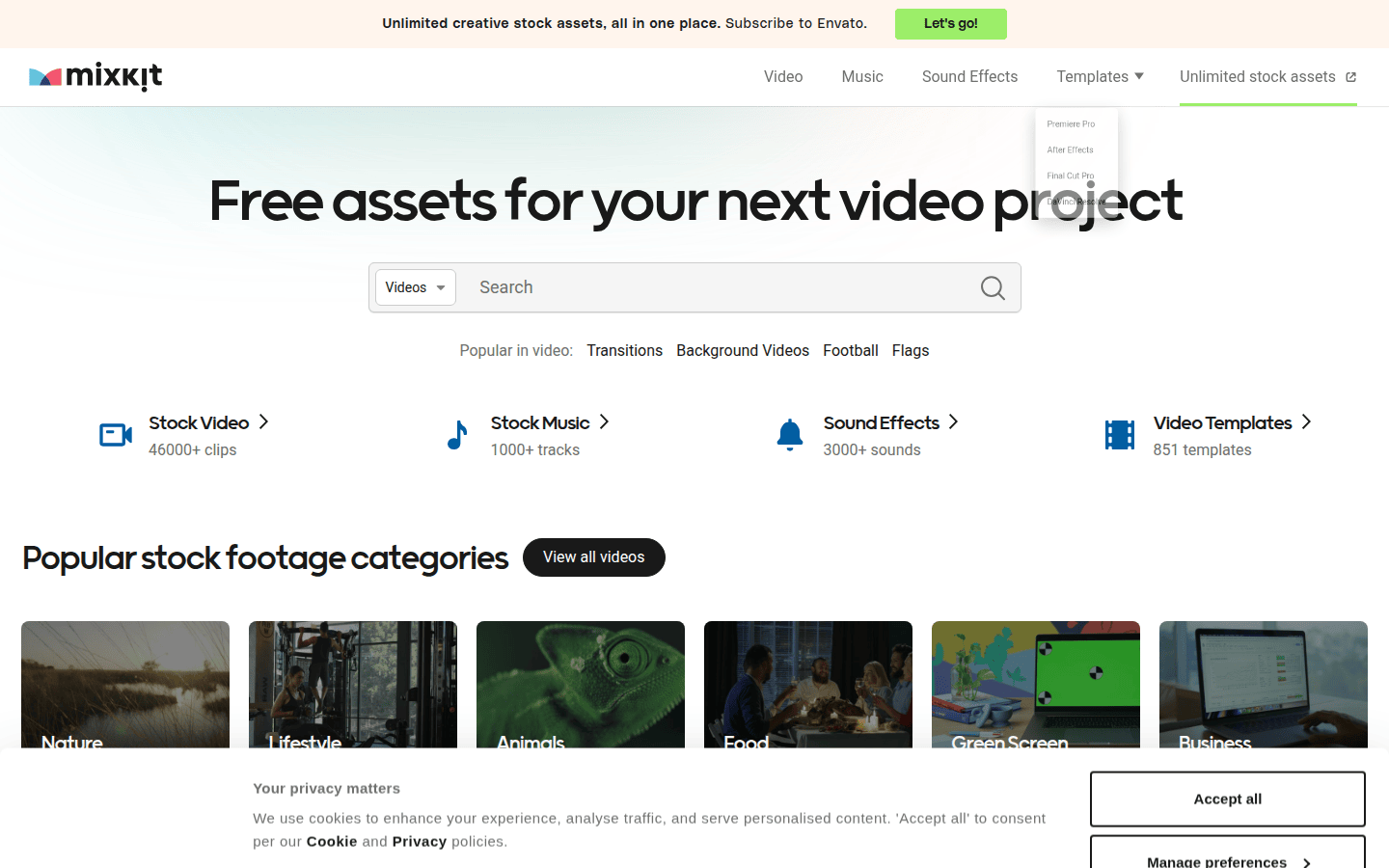
Mixkit stands out for its straightforward approach to licensing. The platform allows users to download unlimited assets without requiring attribution or even a sign-up. This simplicity makes it a strong choice for projects where speed and ease of use are priorities, such as rapid prototyping or quick social media content creation. Mixkit explicitly states that assets under its Free License can be used in both commercial and non-commercial projects, removing a common hurdle for many creators. For a documented checkpoint, compare this step with Mixkit – Awesome free assets for your next video project.
The curated nature of Mixkit’s library also means a consistent level of quality, reducing the need to sift through less professional content. For example, if you need a short, high-resolution background loop for a website banner, Mixkit’s clear licensing and quality control ensure you can integrate it quickly without legal concerns. This contrasts sharply with platforms where each clip might carry a different license, demanding individual checks.
Pexels Videos: Free and Attribution-Free
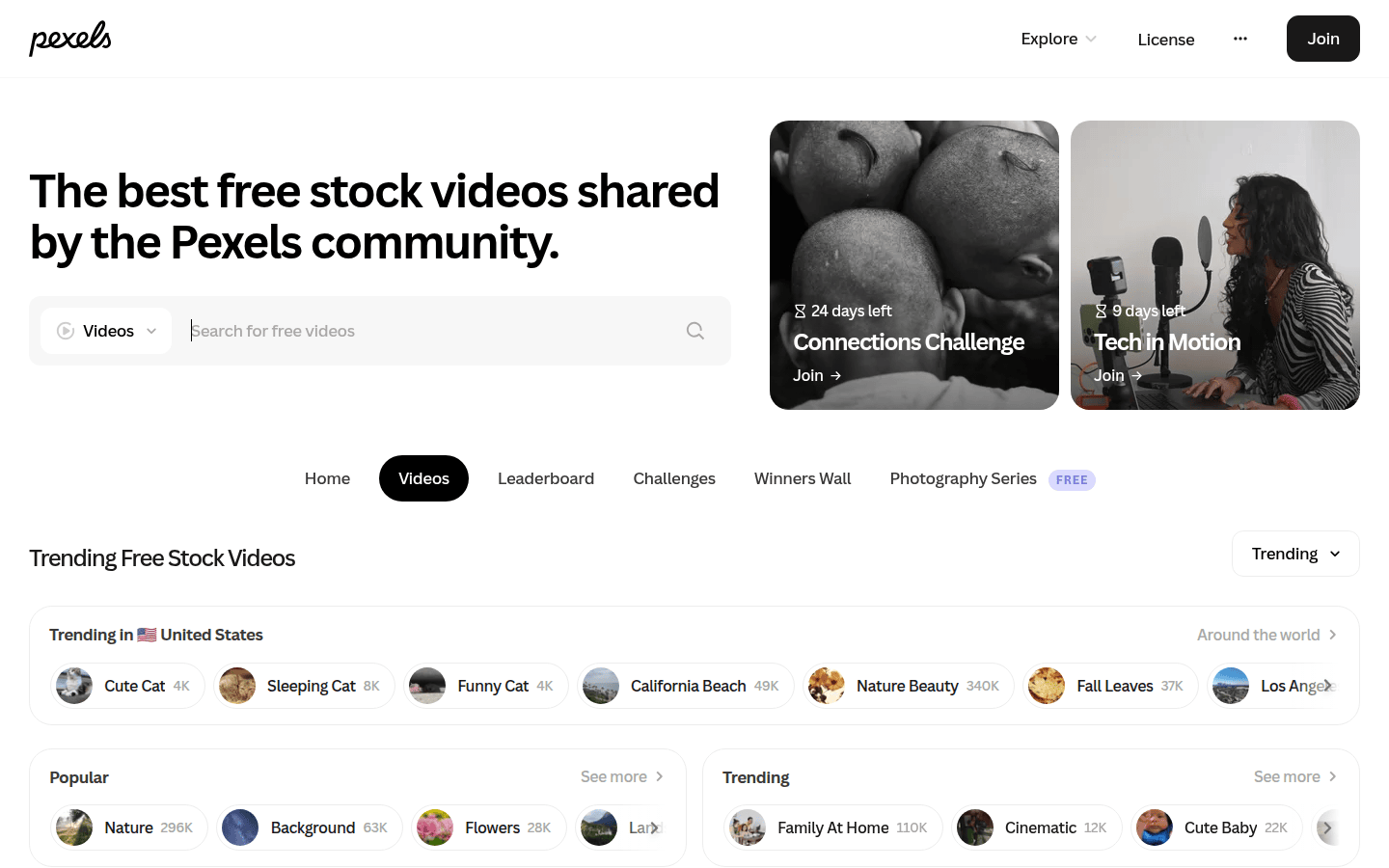
Pexels is widely recognized for its extensive collection of free stock photos, and its video library follows a similar model. Pexels videos can be used for free and do not require attribution. This makes it an excellent resource for projects where maintaining a clean visual aesthetic without on-screen credits is important, such as corporate presentations or sleek marketing videos. The platform’s user-friendly interface also simplifies discovery, allowing creators to quickly find relevant clips.
While Pexels offers broad usage rights, it’s worth noting that the primary license page isn’t always immediately prominent in search results, requiring users to understand the general policy. However, for most common uses, the no-attribution, free-to-use policy holds true. Consider a scenario where a small business needs a quick explainer video; Pexels provides a reliable source for high-quality, worry-free footage that integrates seamlessly.
Videvo: Varied Licenses, Check Each Clip
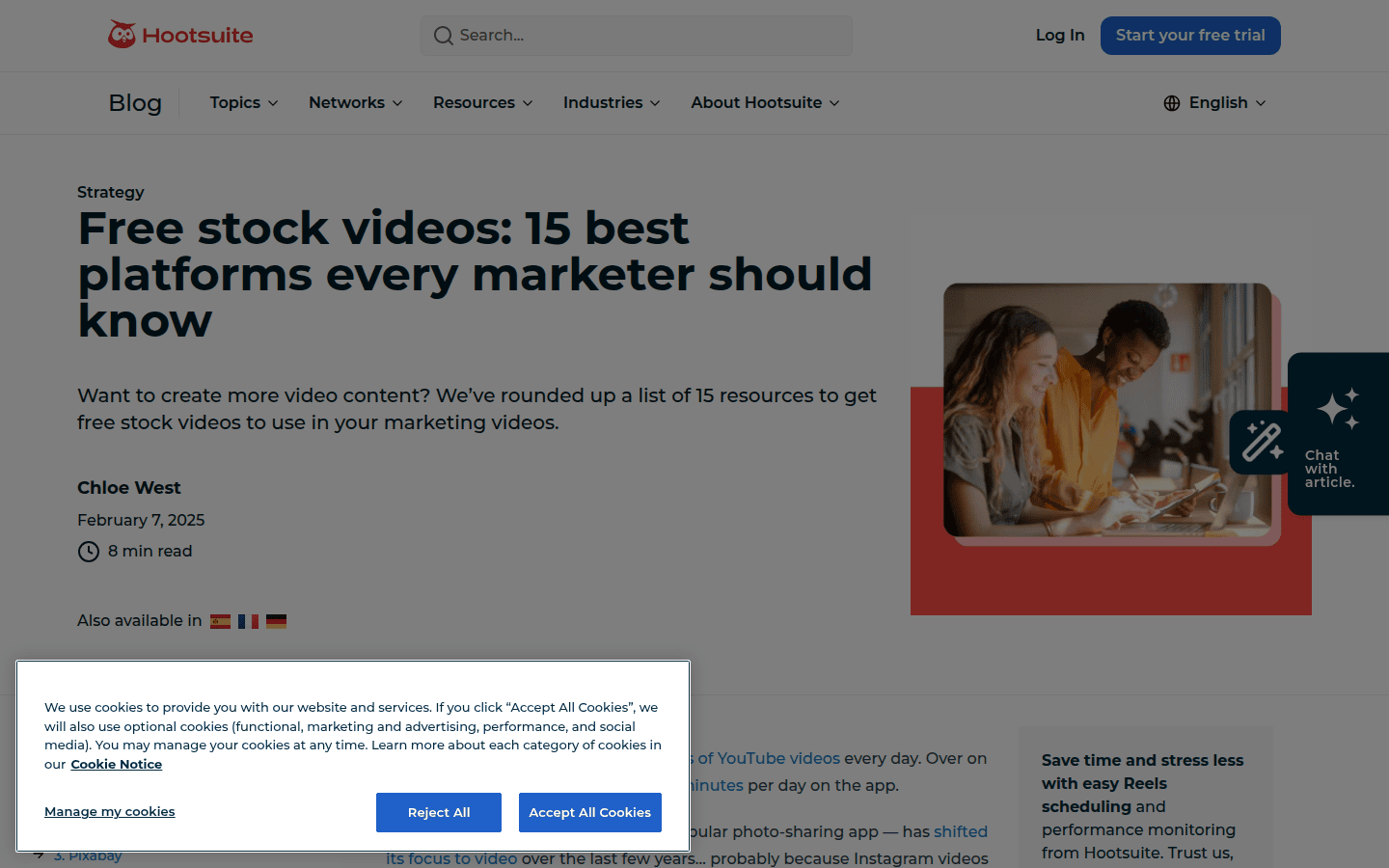
Videvo offers a substantial collection of free stock videos, but it operates with a more nuanced licensing structure. Unlike platforms with a single, overarching license, Videvo includes clips with different license types. This means some clips may require attribution, while others might have more permissive terms. This approach provides a wider variety of content but demands careful attention to the licensing details of each individual clip. Another useful checkpoint is Free stock videos: 15 best platforms every marketer should know.
For a project manager assembling footage from multiple sources, Videvo requires an extra step: verifying the license for every chosen asset. For instance, if you’re building a documentary, you might find a perfect clip on Videvo, but you’ll need to confirm if it requires a credit in your film’s end titles. This contrasts with Mixkit’s blanket commercial-use, no-attribution policy, making Videvo better suited for creators who are comfortable with, or require, more granular control over licensing terms.
Vidsplay: Free Footage for Projects
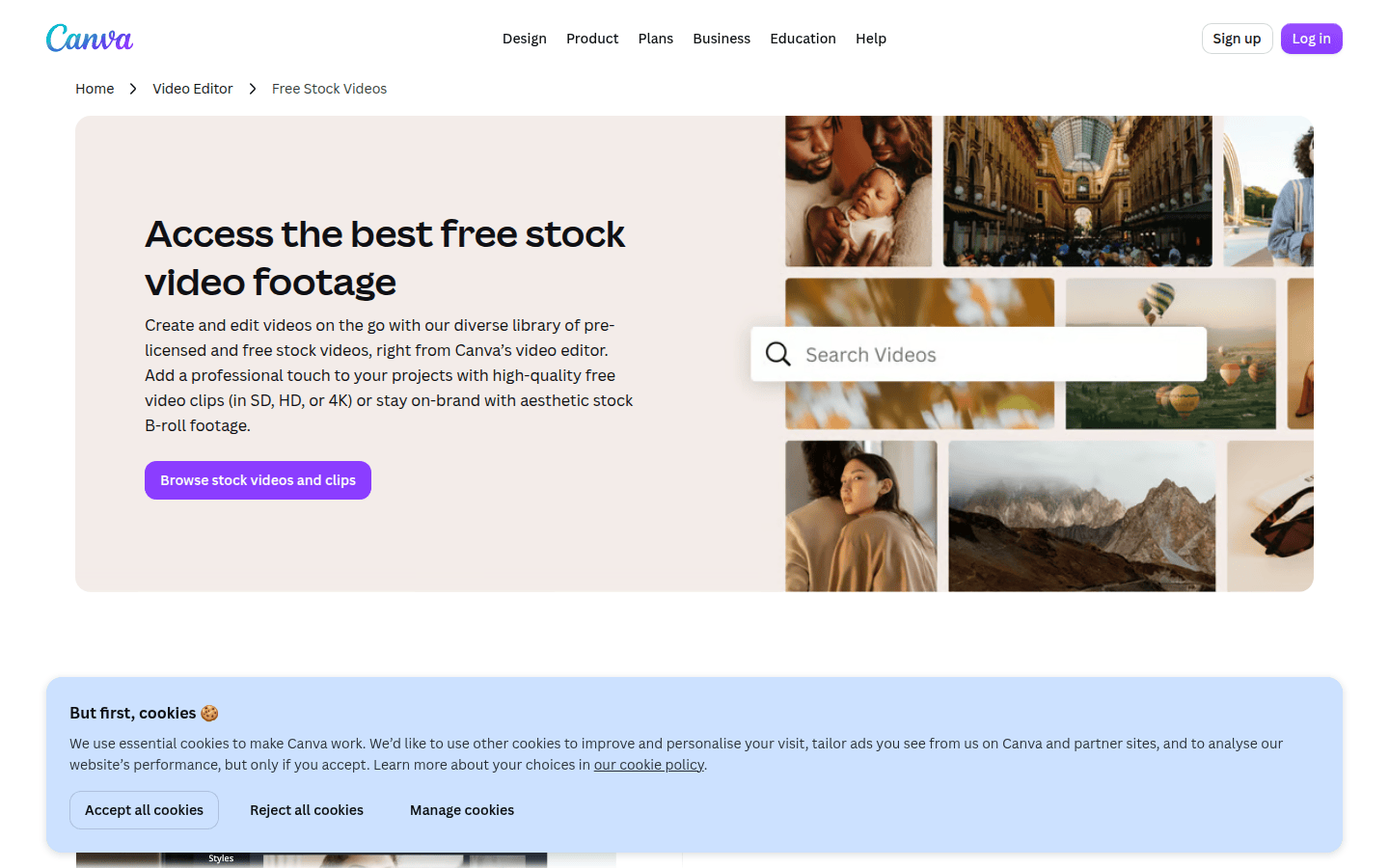
Vidsplay provides free stock footage that is available for various projects. While the platform offers a selection of clips without a direct cost, the specifics of its usage rights can be less explicit than some other libraries. The general availability for “projects” suggests broad applicability, but without a clearly defined, easily accessible license page, users might need to exercise caution for highly sensitive commercial applications.
This platform serves well for personal projects, educational content, or internal corporate videos where the risk of licensing ambiguity is low. For example, a student creating a multimedia presentation can confidently use Vidsplay clips. However, for a major advertising campaign, the lack of a prominent, detailed license could introduce uncertainty, prompting a preference for platforms with more transparent terms.
Coverr: Free Stock Videos with Unspecified Terms
Coverr is another resource for free stock videos, offering a range of visually appealing clips. Similar to Vidsplay, Coverr provides access to footage at no cost, positioning itself as a source for free visual content. However, specific licensing details, particularly regarding commercial use and attribution requirements, are not always readily available or explicitly verified across all sources.
This makes Coverr a good option for creative exploration or non-commercial endeavors where precise licensing isn’t a critical concern. A designer experimenting with different visual styles for a mood board might find Coverr’s collection useful. Yet, for professional projects demanding strict adherence to legal guidelines, the absence of clear, verified licensing information could be a limitation. In such cases, platforms like Mixkit or Pexels, with their explicit terms, offer greater peace of mind.
Choosing the Right Free Stock Video Library
When selecting a free stock video library, the key decision often revolves around the clarity and flexibility of its licensing terms. If your project demands broad commercial use without any attribution, Mixkit and Pexels offer the most straightforward solutions. Mixkit provides unlimited downloads and explicit commercial use permissions, while Pexels maintains a general no-attribution policy for its videos.
For projects where you are willing to check individual clip licenses for a wider selection, Videvo can be a valuable resource, provided you dedicate the time to verify each asset’s specific requirements. Vidsplay and Coverr offer free footage, but their licensing terms are less explicitly defined, making them more suitable for personal or less stringent commercial uses. Always consider your project’s specific needs for attribution, commercial use, and legal clarity before integrating any free stock video.
To make an informed decision, consider these checkpoints:
- Project Type: Is it a personal project, an internal corporate video, or a major commercial campaign? The higher the commercial stakes, the more critical explicit licensing becomes.
- Attribution Requirements: Can your project accommodate on-screen credits or mentions? If not, prioritize platforms with no-attribution policies.
- Time Constraints: Do you have the time to review individual licenses for each clip, or do you need a platform with a blanket, permissive license?
- Content Variety vs. Licensing Clarity: Are you willing to trade some licensing ambiguity for a broader selection of niche content, or is clear, consistent licensing your top priority?
- Future Use: Could the project evolve into something with different licensing needs? Opting for more permissive licenses upfront can save headaches later.
By systematically evaluating these factors against the offerings of each library, you can confidently choose the best free stock video resource for your specific project, ensuring both creative freedom and legal compliance. For example, if you’re a small business owner creating a series of YouTube ads, Mixkit or Pexels would be ideal due to their clear commercial use and no-attribution policies, allowing for rapid content creation without legal overhead. Conversely, a student working on a film project might leverage Videvo for its diverse content, carefully noting attribution requirements for the final credits. Understanding these trade-offs is crucial for efficient and compliant content creation.
 Logo Template
 Photo Template
 Photo Template
 Icon Template