A wedding campaign can look effortless in the feed while asking for far more precision behind the scenes. The mood may be familiar, but the work gets exacting when a brand needs to speak to distinct communities, multiple languages, and highly personal rituals at once.
That pressure is showing up in creator pricing. In India’s peak wedding months, demand for influencer marketing is pushing rates up by 20–25% over off-season levels as brands increase campaign spending.
Peak season changes the budget structure
Wedding-season influencer budgets can stretch across a wide range. A regional campaign may cost a few lakh rupees, while larger programs that combine multiple creator categories, languages, and markets can climb to Rs 50 lakh, Rs 1 crore, or more.
That spread reveals how the category actually works. Wedding marketing is rarely one post, one face, and one audience. It is a layered mix of reach, regional nuance, production planning, and distribution choices.
For design and content teams, that changes the brief early. Asset sets, approvals, and visual variants need to support different markets without losing the core brand signature.
Regional creators help content feel native
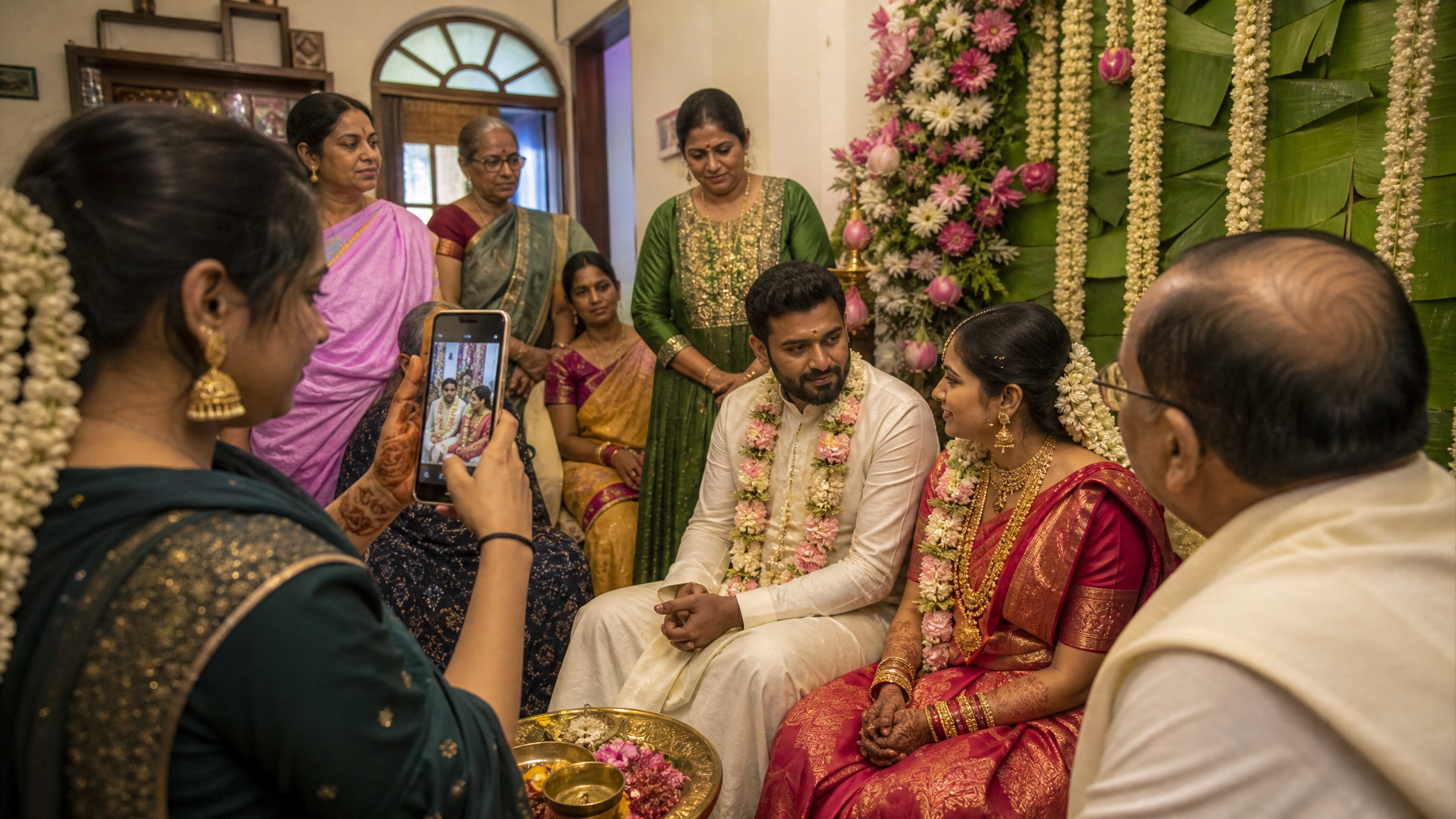
Brands are moving beyond celebrity and macro creators and putting more weight on micro-influencers and regional creators, including voices from Tier 2 and Tier 3 cities. The reason is straightforward: weddings are culturally specific, and broad polish alone cannot carry that meaning.
Punjabi, Marwari, and Tamil weddings do not share one visual language. Customs change. Clothing changes. Family rituals change. Details that feel believable in one setting can feel generic in another.
The same principle appears in seasonal work where the format does the cultural work. When the setting, casting, gestures, and pacing already belong to the audience, the brand has less explaining to do.
Follower count does not explain the premium
Influencer marketing in this category does not run on a standardized rate card. Fees are shaped by audience quality, engagement, category expertise, content format, production requirements, and the rights a brand wants to secure.
Exclusivity changes the fee. Usage rights change the fee. The amount of production involved changes the fee. A creator asked to produce highly usable wedding content with broad brand permissions is offering something more valuable than simple audience access.
That makes follower count an incomplete measure. It is visible, easy to compare, and often misleading. The more useful question is how much relevant meaning a creator can carry inside a specific context.
For internal teams, this is a case for cleaner briefing and asset planning. If content will be reused across channels, edited into short-form variants, or adapted into motion, those expectations should be scoped upfront. Teams building repeatable social kits may find it useful to pair creator footage with logo animation templates that keep brand identifiers consistent without forcing every edit to start from scratch.
Native social formats fit the setting better

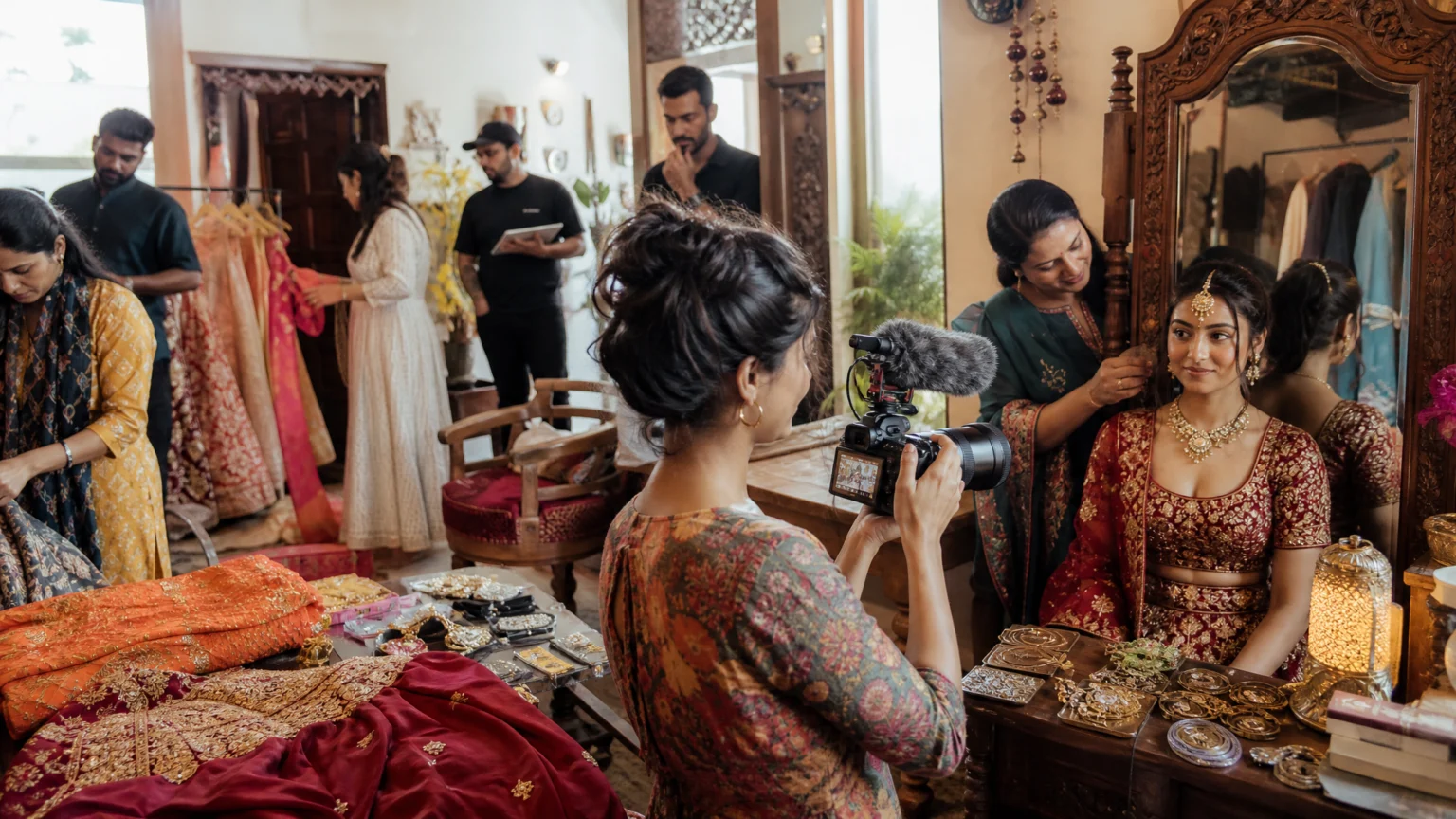
The wedding audience is responding to content that feels lived in. Brands are favoring formats such as get-ready-with-me videos, day-in-the-life posts, and behind-the-scenes wedding coverage over purely scripted promotions.
That preference makes visual sense. Weddings are already full of anticipation, texture, and timing. Native social formats suit that atmosphere because they capture preparation, intimacy, and small transitions instead of flattening everything into a polished sales message.
This also changes the design brief. Instead of building around one hero frame, teams need identity cues that can survive in mirrors, dressing rooms, car rides, makeup tables, hotel corridors, and family homes. A brand mark, color cue, or graphic element has to stay present without interrupting the scene.
For motion teams, that usually means restrained overlays and short reveals. If a campaign needs branded movement around creator-made footage, animated logos for social media work best when they enter lightly and leave quickly, supporting the footage rather than taking over the frame.
Production scope belongs in the brief from the start
When rates rise 20–25% in peak season, vague planning gets expensive quickly. A loose ask can produce a tighter budget than expected once production needs, exclusivity, and rights are added.
That is why scope should be treated as a creative decision, not just a procurement detail. A single-region collaboration, a multilingual creator mix, and a broad wedding-season rollout are three different jobs with three different visual systems behind them.
Useful briefs separate the essentials from the optional:
- Market coverage: one region or multiple regions
- Creator mix: macro, micro, regional, or a combination
- Content formats: GRWM, day-in-the-life, behind-the-scenes, or other social deliverables
- Production needs: lightweight capture or more involved filming requirements
- Rights and exclusivity: where content will appear and how long the brand can use it
When those choices are clear, pricing becomes easier to interpret and creative output becomes easier to manage. This is also where disclosure and operational structure meet the content itself, a point that aligns with the broader shift described in campaign systems that build compliance into the workflow.
Credible context is doing the real work
The clearest lesson here is visual before it is financial. Rising creator rates are not just a sign of seasonal demand. They reflect the value of credible context.
When a creator understands a community, a ritual, or a regional aesthetic from the inside, the content carries more of the message on its own. The brand can speak with a lighter touch because more of the meaning is already in the frame.
That helps explain why regional and micro creators are becoming more central during wedding season, and why native formats are gaining ground. The premium is attached to relevance, production reality, and usage value. In a market this specific, believable presence is rarely the cheapest line item, but it is often the one doing the most work.
 Icon Template
 Icon Template
 Photo Template
 Logo Template