
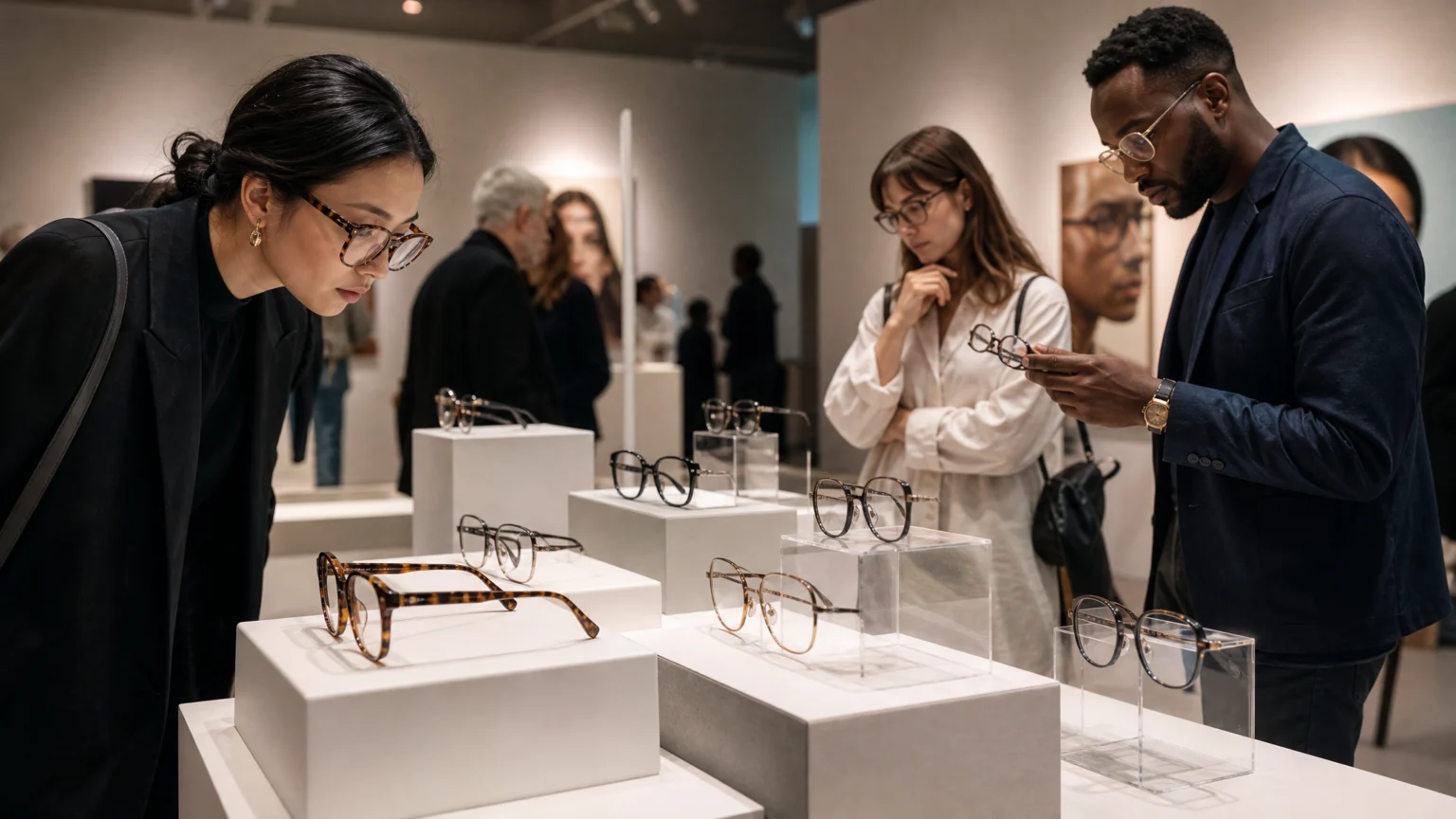
The edge of a competition is often drawn long before judging starts. Open the perimeter wider, and you change the work that arrives, the references it carries, and the standards it sets inside the room.
That is the shape of the 2027 NOW Awards. In its sixth year, the eyewear design competition has opened submissions and continues to welcome the full global eyewear community, extending participation beyond exhibitors and inviting eyewear designers, brands, and creators from around the world.
Open entry changes the conversation early
Access is not a minor administrative choice. A competition that welcomes established and emerging talent worldwide is more likely to gather different materials, proportions, references, and problem-solving habits in one place.
For designers, that matters before any trophy is handed out. The first curatorial decision is always the boundary, and a wider boundary usually creates a more varied range of work within it.
The NOW Awards are explicitly centered on creative recognition in eyewear design. Entrants submit their most visionary eyewear designs, keeping attention on the object, the idea, and the way design thinking becomes something people can wear.
Category design gives experimentation clearer terms
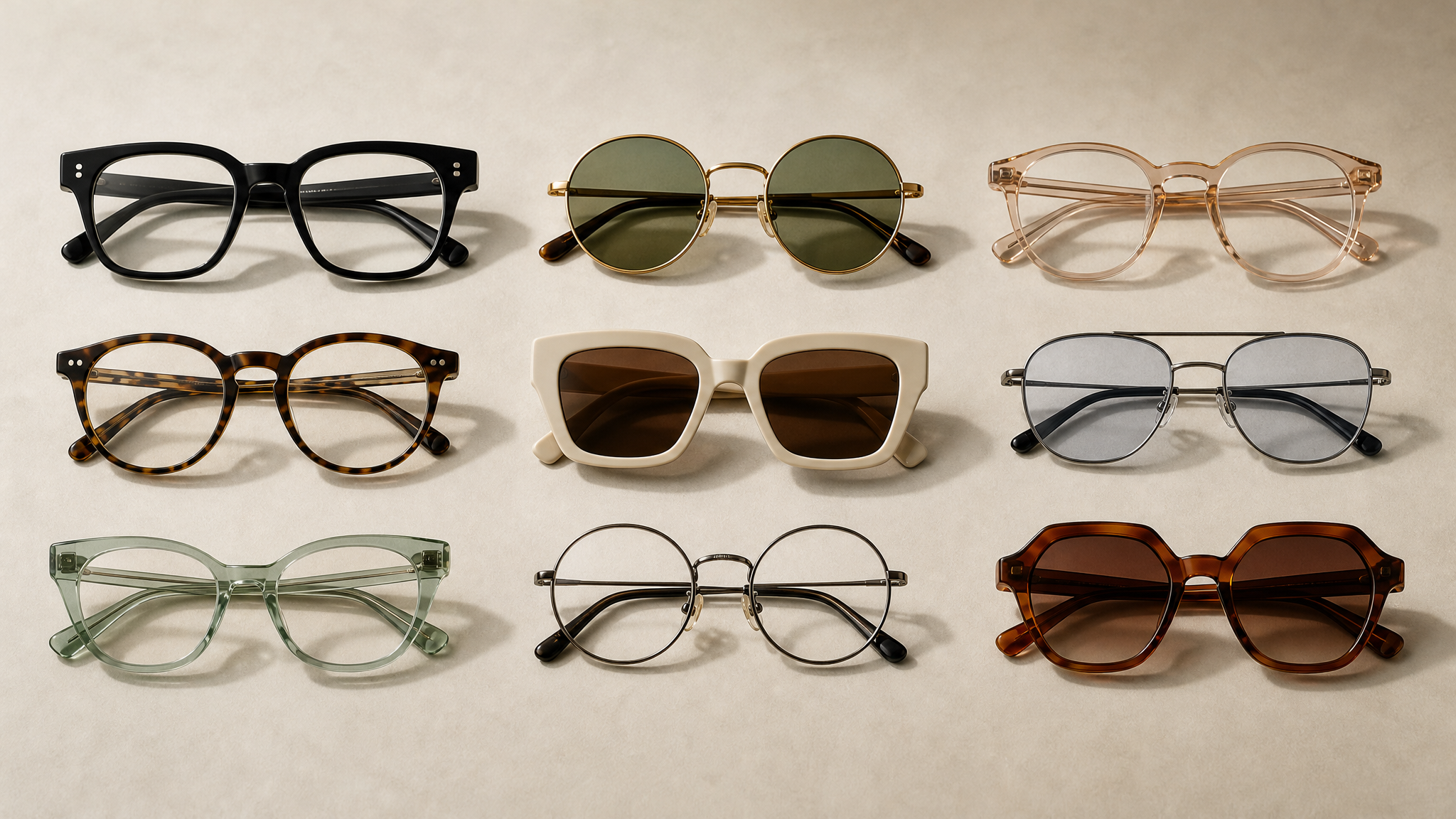
The category list does precise work. It spans independent and licensed design, emerging optical and sunglass work, accessory design, wearable technology, and conceptual work for students and new aspiring designers.
That range helps in two practical ways. It prevents every submission from being judged against one vague standard of taste, and it acknowledges that strong eyewear design comes from different business models and career stages.
- Independent and licensed categories recognize different creative and commercial conditions.
- Emerging designer and brand categories make room for newer voices without forcing them into direct comparison with longer-established players.
- Accessory and conceptual categories broaden the frame around what counts as meaningful design work.
- Wearable technology marks a place where utility, electronics, comfort, and aesthetics have to work together.
One category stands out for 2027: Best Wearable Technology is the theme category. That choice points to eyewear as creative technology, not just styling, and shifts attention toward integration, function, and user experience built into the object.
The judging panel mirrors how eyewear is read
Each entry will be evaluated by a panel representing design, retail, education, and fashion. That mix matters because eyewear rarely succeeds on form alone.
A frame has to register across several kinds of looking at once. Designers notice line, proportion, and construction. Retail professionals notice sell-through and shelf presence. Educators often see process and originality. Fashion voices read cultural fit, styling potential, and signature.
Together, those viewpoints create a more realistic cross-section of how eyewear meets the world. That usually produces stronger decisions than a single-discipline panel.
A strong award structure does not just celebrate finished objects. It builds conditions where different kinds of excellence can be recognized clearly.
Show-floor display gives every submission a public life
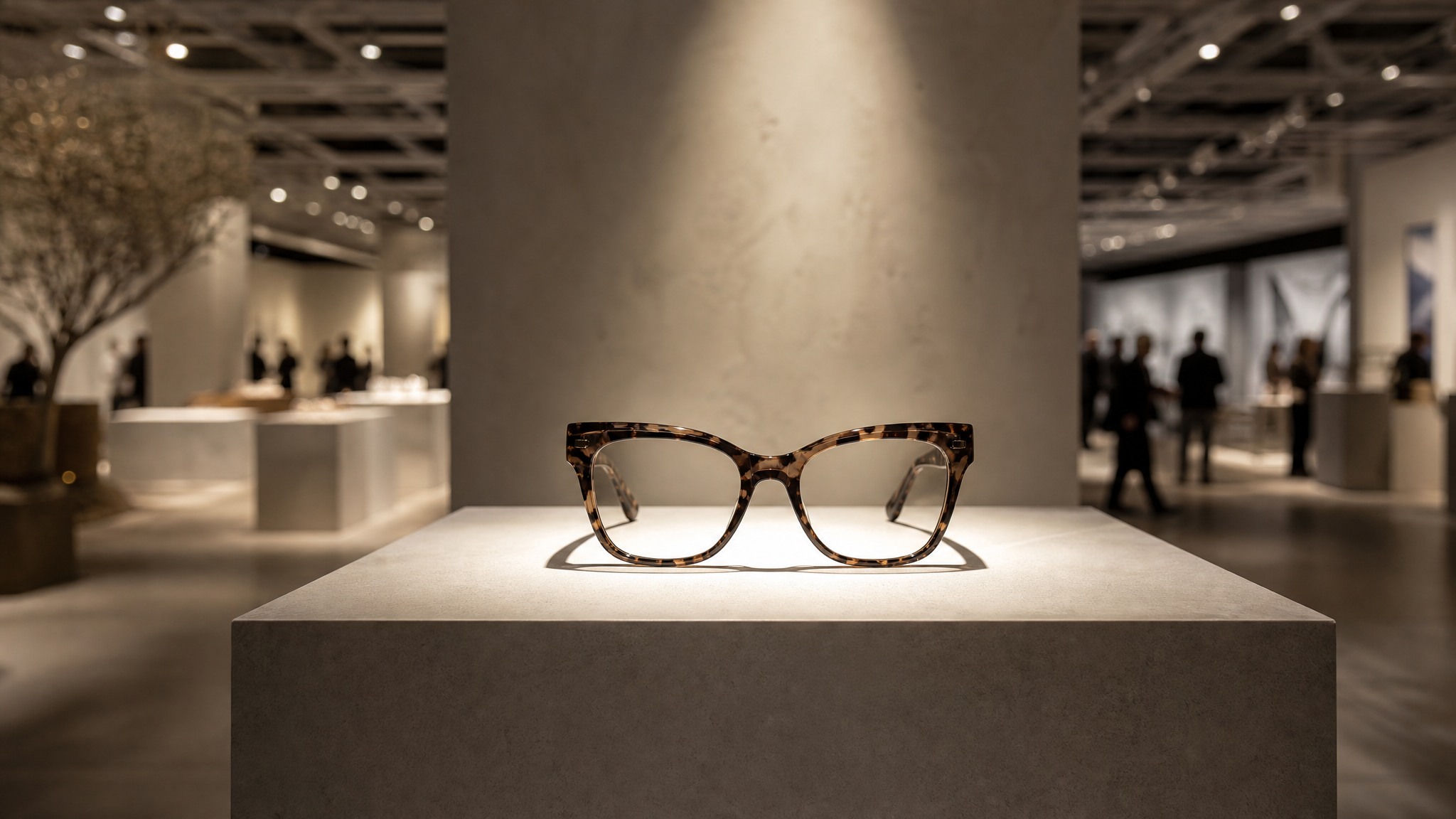
One of the most practical details is also one of the most generous: at least one frame from every submitting brand will be featured in the NOW Showcase on the Vision Expo show floor.
That changes the value of entering. Even before final recognition, a submitting brand receives physical visibility in a curated event setting. For smaller or newer names, that can matter nearly as much as a shortlist because the work appears in front of an audience already prepared to look closely.
There is a useful exhibition lesson here. Recognition does not begin only when winners are announced. It begins when work gets context, lighting, proximity, and enough visual breathing room to be seen on its own terms. Event brands often work best when the experience does more than point the way, and a showcase like this follows that logic.
Concept work sits beside market-ready design for a reason
The inclusion of NOW Design for conceptual or functional eyewear and accessory designs for students and new aspiring designers is a smart structural choice. It recognizes that the field needs speculative thinking as much as finished commercial polish.
Conceptual categories often show where a discipline may be headed. They can surface new ergonomic ideas, unusual material thinking, or different social uses before those ideas settle into mainstream production.
That becomes especially valuable in an awards program that also includes wearable technology. When conceptual work and technology-focused work share the same broader structure, the picture of the field becomes richer and more honest. You get a better read on current craft and future possibility at the same time.
Presentation quality rises when the field gets larger

Any open global competition raises the bar for presentation. When more brands can enter, each frame has to make its point quickly and cleanly. Material choice, silhouette, hinge detail, lens treatment, and the relation between utility and expression all need to read at a glance.
That makes image discipline important. Teams preparing submissions benefit from the same habits that strengthen any visual library: consistent file handling, clear categorization, and dependable asset selection. Organizing digital assets for faster creative work becomes less of a back-office task and more of an advantage when entries, displays, and promotion all draw from the same pool.
For brands that want to extend a submission beyond still photography, restrained motion can help clarify form rather than distract from it. A short turn, a subtle parallax, or a close product study can make contours easier to read, especially for objects that rely on depth and profile. That is where tools for animated product photos or photo parallax effects can support presentation without overwhelming the object.
Broader participation can raise the standard
The strongest part of the 2027 NOW Awards may be its basic structure: broaden participation, keep the categories specific, and make sure every submitting brand is seen on the show floor. That combination respects both ambition and access.
For the eyewear field, that means the awards can do more than distribute recognition. They can gather independent labels, licensed programs, emerging brands, students, aspiring designers, and technology-minded makers into one visible sequence. When that happens, the comparison set improves, and so do the standards people bring back to their own work.
Good competitions do more than reward excellence after the fact. They help define what careful looking should notice next.
 Photo Template
 Photo Template
 Logo Template
 Logo Template