The Challenge of Distributed Brand Control
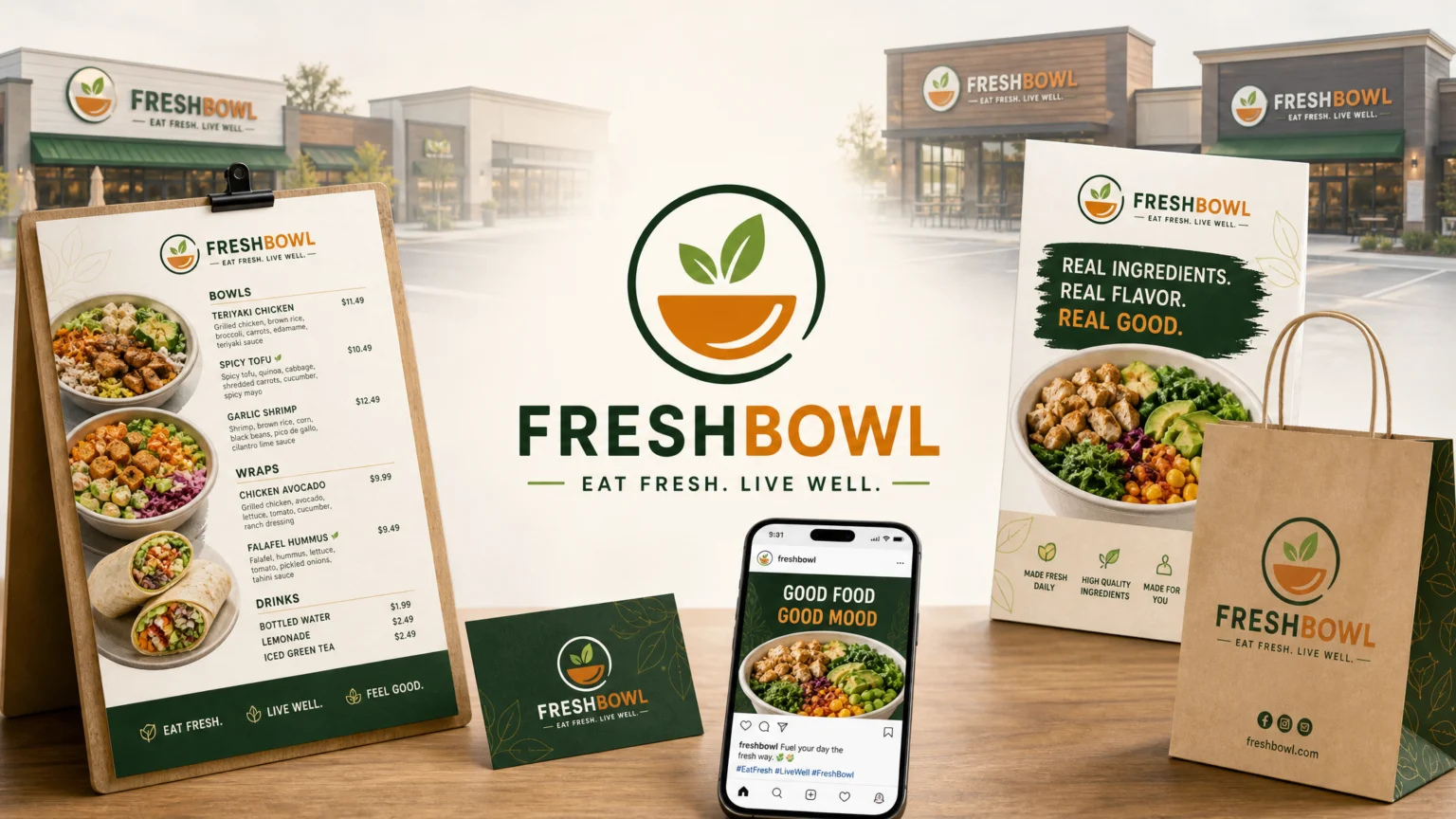
Imagine a popular food brand with 12 franchise locations, each needing to create local promotions, update menus, and run social media campaigns. Without a central system, each franchisee might download outdated logos, use incorrect color codes, or create off-brand marketing materials. This decentralized approach leads to inconsistent visual identity, wasted time searching for current files, and a diluted brand experience for customers.
For a growing food franchise, this chaos can manifest as a menu board in one location using an old logo version, while another prints flyers with a slightly different brand font. These small inconsistencies accumulate, eroding trust and recognition. The brand needed a solution that would provide both control and flexibility: a way to lock down core brand elements while enabling local teams to adapt materials for their specific markets without going off-brand.
Building a Centralized Asset Library
The first step in restoring order was establishing a single source of truth for all brand assets. This meant creating a centralized library where every logo variant, approved image, template, and brand guideline document resided. Franchise brand operations platforms are designed for this exact purpose, acting as a hub for logos, templates, brochures, and signage. The goal was to ensure that every location, from the newest outlet to the longest-standing, started from the same up-to-date materials.
This library wasn’t just a dumping ground for files; it was carefully organized. Assets were tagged by type (e.g., ‘logo – primary’, ‘menu – breakfast’, ‘social media – promotion’), versioned, and clearly marked with approval dates. This structure meant that a franchisee looking for a high-resolution logo for a local print ad could quickly find the correct file, rather than relying on an old email attachment or a generic web search. This systematic approach reduced the chance of using outdated or incorrect visual elements.
To further enhance usability, the centralized asset library also included detailed usage guidelines for each asset. For instance, a logo file might come with instructions on minimum size, clear space requirements, and approved background colors. This proactive guidance prevented common misuses, ensuring that even when franchisees had creative freedom, their output remained within brand parameters. Franchise-focused brand management guidance emphasizes a central approved library so every location starts from the same up-to-date assets, fostering consistency from the ground up.
Implementing Controlled Flexibility with Templates
While centralizing assets was crucial, the brand also recognized the need for local adaptation. A rigid system that allowed no customization would stifle local marketing efforts and make the brand feel impersonal. The solution lay in controlled flexibility, achieved through templated designs. Multi-location brand management strategies often involve locking core brand elements—like the primary logo, brand colors, and key typography—while allowing specific, approved fields to be edited by local teams.
For example, a promotional poster template would have the brand’s main logo and tagline locked in place. However, fields for local store hours, specific menu items for a regional promotion, or local event details could be customized by the franchisee. This approach empowered individual locations to create relevant, timely marketing materials without deviating from the brand’s visual standards. Franchisees could update their local menu specials using an approved template, ensuring the design remained consistent even with variable content.
This balance between control and flexibility is vital. Too much control can lead to generic, unengaging local marketing, while too little can result in a fragmented brand identity. The templating system provided a framework where local creativity could flourish within defined boundaries. This meant a franchisee could quickly launch a seasonal special with a unique local twist, confident that the underlying brand elements remained intact and professional. Multi-location brand management uses controlled flexibility by locking core brand elements while allowing approved local fields to be edited.
Establishing Governance and Workflow
With a centralized library and customizable templates in place, the next challenge was to define how assets would be managed and distributed. A clear workflow was essential to prevent new chaos. Franchise brand management software typically provides a system for centralizing, organizing, and distributing brand assets across a network. This includes setting up permissions and approval processes.
The franchisor established a central portal where the marketing team uploaded new assets and updated existing ones. They also set role-based permissions: corporate marketing had full upload and approval rights, while franchisees had access to download approved assets and customize templates within predefined limits. Any significant deviation or new asset request from a franchisee required submission through the portal for corporate approval. This workflow ensured that all materials, even localized ones, met brand standards before public use.
This governance model also included an audit trail, allowing the corporate team to track asset usage and identify any potential compliance issues. Regular reviews of franchisee-created materials helped reinforce brand guidelines and provided opportunities for further training or refinement of templates. This proactive management ensured that the system remained effective and responsive to the evolving needs of the brand and its franchisees. A franchise BAM workflow typically uses a central portal where the franchisor uploads approved assets, sets permissions, and franchisees download or customize what they need.
Rollout and Adoption Across 12 Locations
Introducing a new system to 12 different franchise locations required a thoughtful rollout strategy. It wasn’t enough to simply launch the platform; the brand needed to ensure every franchisee understood its value and how to use it effectively. The rollout included:
- Training Sessions: Online webinars and downloadable guides were provided to walk franchisees and their marketing contacts through the new platform, demonstrating how to access assets, customize templates, and submit for approvals.
- Phased Implementation: Instead of a hard cutover, the brand introduced the system gradually, starting with essential assets like logos and menu templates, then expanding to promotional materials.
- Dedicated Support: A central point of contact was established to answer franchisee questions and provide ongoing support, addressing any technical issues or workflow confusions promptly.
- Success Stories: Early adopters who successfully used the system to create effective local campaigns were highlighted, demonstrating the benefits to other franchisees.
This structured approach helped overcome initial resistance and ensured broad adoption, transforming what could have been a complex transition into a smooth operational upgrade. The brand also implemented a feedback loop, allowing franchisees to suggest improvements or request new templates, fostering a sense of ownership and collaboration. This continuous improvement model ensured the system remained relevant and user-friendly for all locations.
The Visible Impact: Consistency and Efficiency
The implementation of a centralized brand asset management system brought immediate and visible improvements. Brand consistency across all 12 locations dramatically improved. Customers began seeing a unified visual identity, whether they visited a franchise in a bustling city center or a quiet suburban area. This consistent presentation reinforced brand recognition and trust.
Beyond consistency, efficiency gains were significant. Franchisees spent less time searching for correct files and more time focusing on local marketing initiatives. The corporate marketing team also saved time previously spent answering individual asset requests or correcting off-brand materials. The brand could now launch national campaigns with confidence, knowing that local adaptations would remain on-brand and be executed quickly. The system transformed a fragmented visual landscape into a cohesive, well-managed brand presence, allowing the food brand to scale its marketing efforts without diluting its core identity.
The success of this centralized system highlights a critical lesson for multi-location businesses: effective brand management is not just about creating great assets, but about making them accessible, usable, and consistently applied across every touchpoint. By investing in a robust platform and a clear workflow, this food brand not only solved its immediate consistency challenges but also built a scalable foundation for future growth and innovation. This approach empowers local teams while safeguarding the integrity of the overall brand, a win-win for both franchisor and franchisee.
 Icon Template
 Icon Template
 Photo Template
 Photo Template