
Why do vector assets often create brand consistency problems?
Designers frequently prioritize visual appeal and speed when selecting a vector asset. However, the true cost of an asset extends beyond its initial download price, encompassing its licensing terms. Overlooking these crucial details can lead to significant brand consistency issues, ranging from incorrect attribution to legal disputes over logo usage or merchandising rights. The challenge isn’t merely finding an attractive graphic, but ensuring its usage aligns with your brand’s legal and visual guidelines.
Imagine a small business that incorporates a striking vector graphic from a popular library as a central element in its marketing materials. If that graphic’s license prohibits its use in logos or trademarks, the business could face a costly redesign or even legal action, undermining its established visual identity. Similarly, inconsistent attribution across various platforms can dilute a brand’s professional image and create confusion, eroding trust with customers.
This comparison examines two prominent vector asset libraries, Freepik and Flaticon, focusing on brand-safe usage, licensing clarity, attribution rules, merchandising rights, and workflow integration. Understanding these differences is crucial for maintaining a cohesive and legally sound visual identity, protecting your brand’s assets and reputation.
Licensing Clarity: Commercial Use and Brand Integration
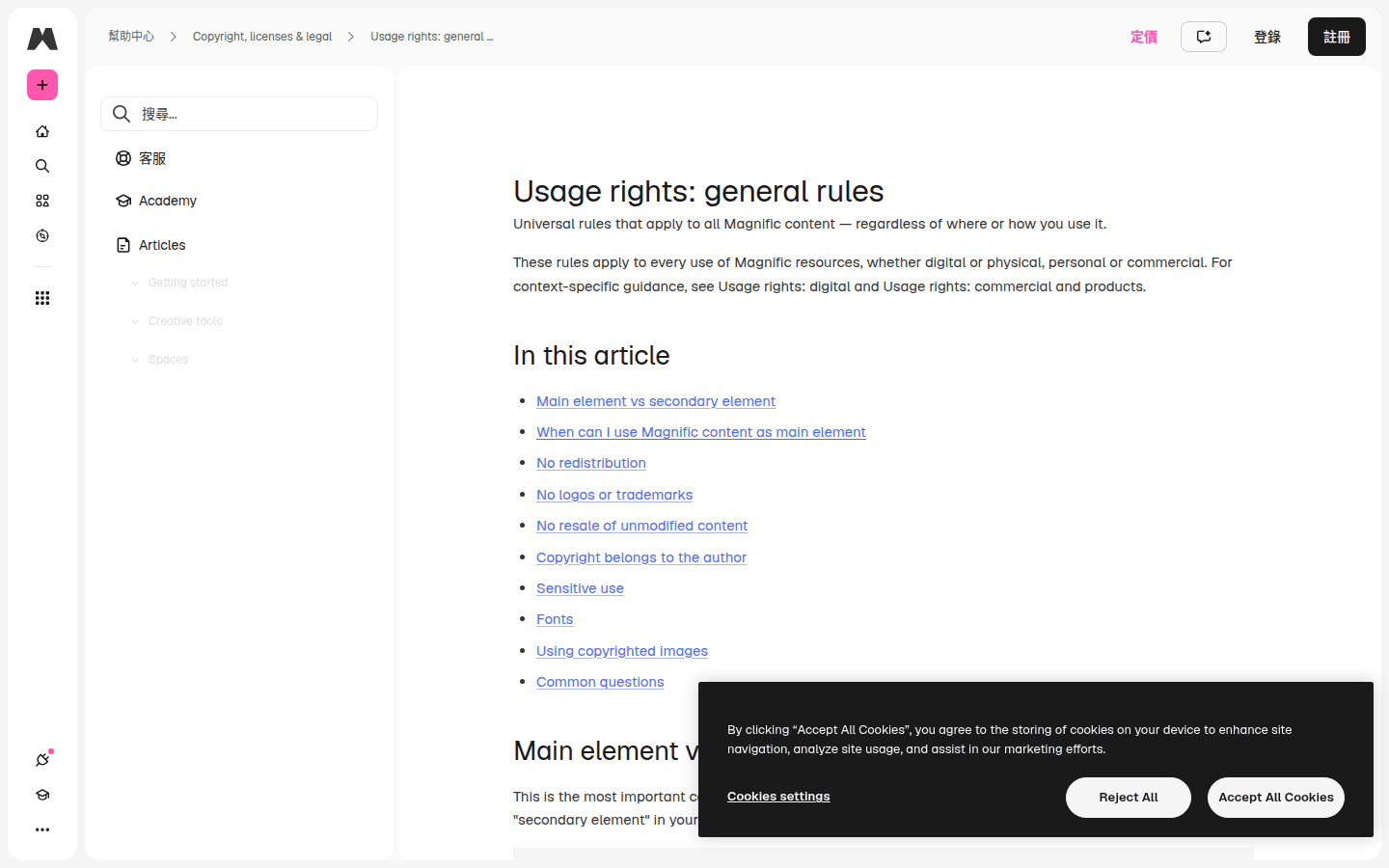
The foundation of brand consistency with third-party assets lies in clear licensing. Both Freepik and Flaticon offer resources for commercial use, but their terms diverge significantly when it comes to deep brand integration.
Freepik’s documentation explicitly states that its resources cannot be used to create logos or trademarks. This is a critical distinction for any brand looking to incorporate vector elements directly into its core identity. While Freepik offers a commercial license for enterprise customers, described as perpetual, this overarching restriction on logo and trademark creation remains. This means Freepik is better suited for supplementary graphics, marketing collateral, or editorial content rather than foundational brand elements.
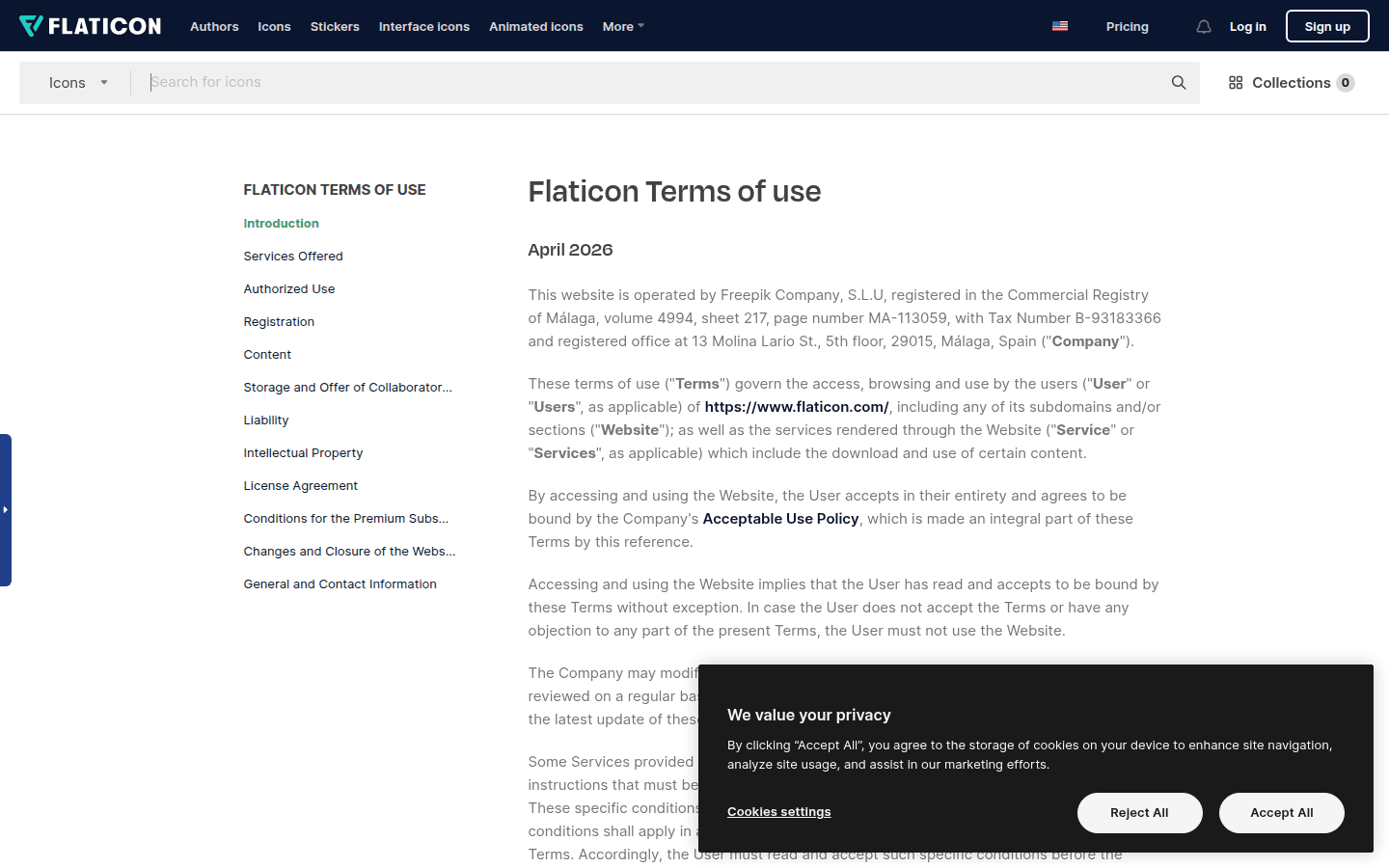
Flaticon, on the other hand, allows users to download, use, and modify content under its license. While it also has restrictions, its terms are generally more flexible for integration into products. However, Flaticon’s merchandising license page clarifies that icons cannot be used in a registered trademark design. This means while you can use icons as main elements in physical and digital products for resale, you cannot claim them as part of your unique, legally protected brand mark.
For a brand aiming for deep integration of vector assets, neither platform fully supports direct use in registered logos or trademarks. Freepik’s stance is more restrictive, making it unsuitable for any element intended to become part of a brand’s core identity. Flaticon offers more leeway for product integration, but still draws a clear line at trademark registration.
Decision Scenario: A startup needs a distinctive icon for its new app’s interface and marketing. If they choose a Freepik asset, they risk having to replace it entirely if it becomes a core part of their visual identity and they later wish to trademark their app’s look. With Flaticon, they could use the icon in the app and on merchandise, but could not register it as part of their official trademark. This distinction influences how deeply a chosen asset can be embedded into a brand’s long-term strategy.
Attribution Requirements and Compliance
Attribution is a common requirement for free assets, but managing it consistently across various brand touchpoints can be a significant challenge. Both platforms offer ways to bypass attribution, usually through paid subscriptions.
Freepik’s free content generally requires attribution. For professional use, especially across multiple channels, managing these attribution lines can become cumbersome and visually inconsistent. Freepik’s enterprise legal page mentions that enterprise customers can download and use stock content under an included commercial license, implying a potential for attribution-free use, though specific details on attribution for enterprise accounts are not explicitly detailed in the provided evidence beyond the general commercial license.
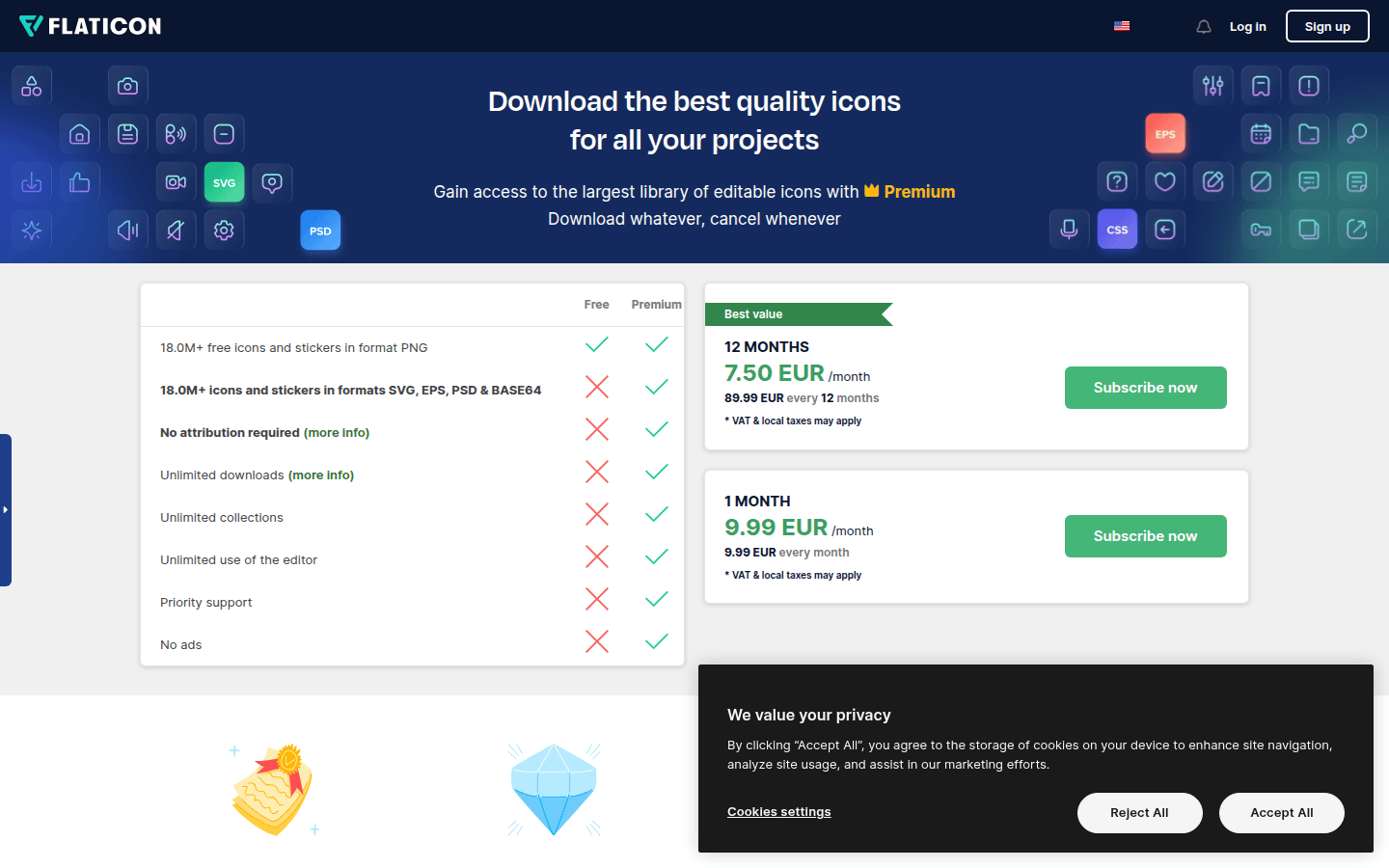
Flaticon offers a clearer path to attribution-free use. Its pricing page states that Premium users can download licenses that allow icon use without attribution. The Flaticon license PDF further clarifies that free content requires attribution, while licensed material (presumably Premium) can be used an unlimited number of times in many media, subject to stated restrictions but without the attribution burden.
For brands prioritizing a clean, uninterrupted visual presentation, Flaticon’s Premium option offers a more straightforward solution for removing attribution requirements. Freepik’s free tier requires careful management of attribution, which can clutter designs and complicate brand guidelines. This can lead to a fragmented visual identity, especially across diverse marketing campaigns.
Merchandising and Trademark Restrictions
Beyond general commercial use, the ability to use assets on merchandise or as part of a trademark is crucial for many brands, particularly those in retail or product development.
Freepik’s merchandise license is available only to Pro subscribers and includes a restriction on using assets as part of a logo or brand identity. This means while you can use Freepik assets on products for resale, you cannot integrate them into your brand’s core visual mark that identifies your company. The copyright for all Freepik resources remains with the original author, further limiting a brand’s ownership claims over derivative works.
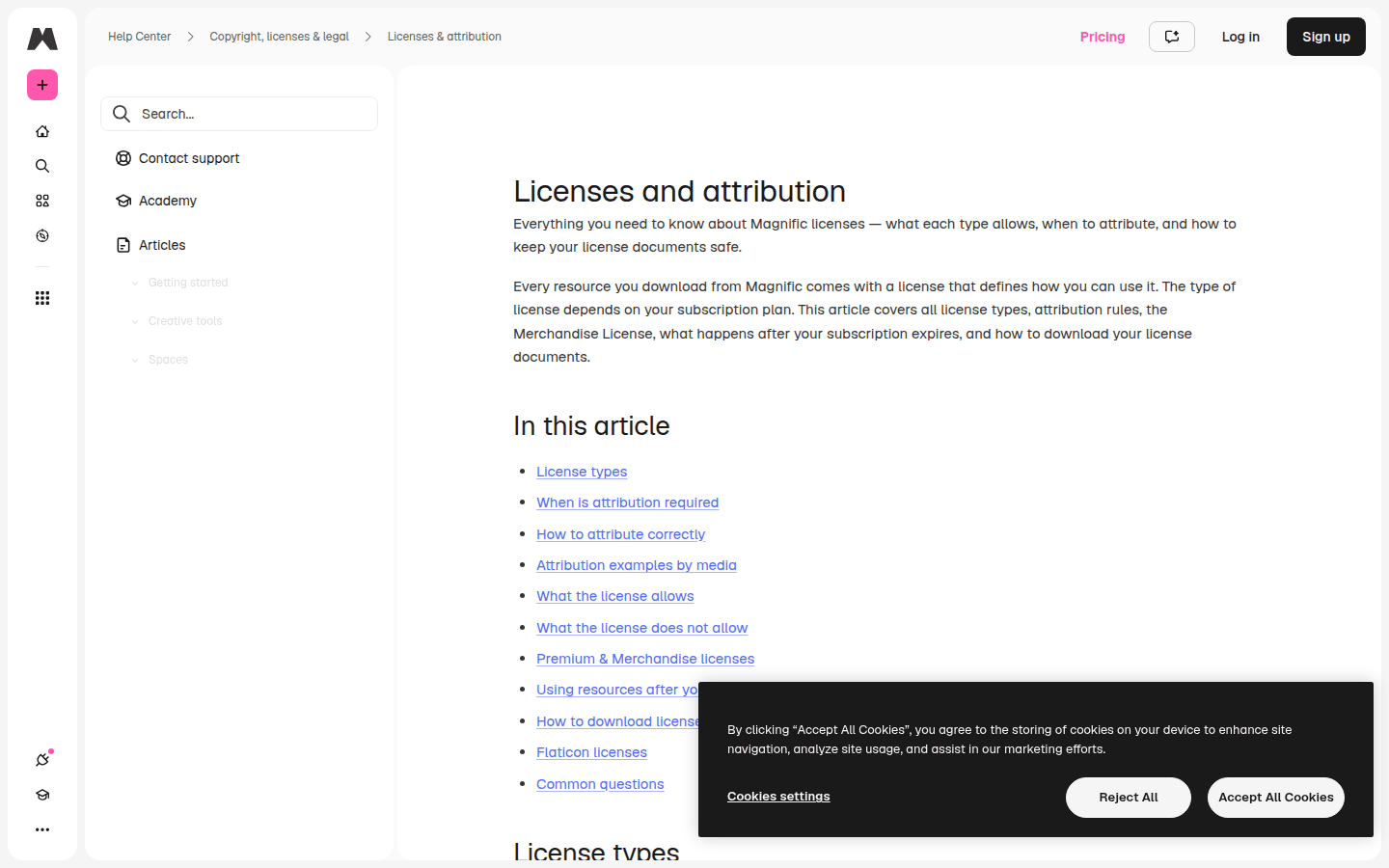
Flaticon’s merchandising license allows icons to be used as main elements in physical and digital products intended for resale. However, it explicitly states that it does not allow use in a registered trademark design. This is a subtle but important distinction: you can sell products featuring the icon, but the icon itself cannot be the unique, legally protected symbol of your brand.
Neither Freepik nor Flaticon provide a path to full ownership or trademark registration of their assets. Both platforms retain copyright with the original creators and impose restrictions on using assets as part of a registered trademark. For brands that require exclusive rights or wish to trademark a specific visual element, these libraries serve as sources for supplementary graphics rather than core identity components.
Decision Scenario: A clothing brand wants to feature a unique vector graphic on a new line of t-shirts. If they source this graphic from Freepik, they can use it on the t-shirts for sale, but they cannot register that specific graphic as part of their brand’s official logo or trademark. If they use a Flaticon icon, they face the same limitation for trademark registration, even if the icon is central to the product’s design. This means the brand must either create original artwork for trademarkable elements or seek assets from libraries that offer full ownership transfer.
Workflow Fit: Ease of Integration and Management
The practical application of vector assets within a design workflow also impacts brand consistency. This includes how easily assets can be found, modified, and managed by a design team, directly influencing efficiency and adherence to brand guidelines.
While the evidence does not detail specific workflow tools or integrations for either platform, the implications of their licensing terms affect workflow. Freepik’s broad restriction on logo and trademark use means designers must be vigilant about how assets are applied, ensuring they never cross into core brand identity elements. This adds a layer of scrutiny to the design process, potentially slowing down approvals and increasing the risk of misuse if guidelines are not rigorously enforced.
Flaticon’s focus on icons suggests a more streamlined workflow for interface design, presentations, or quick visual enhancements. The ability for Premium users to download attribution-free assets simplifies asset management, as designers don’t need to track and apply attribution notices for each use. This can lead to a more consistent visual output, as the brand’s guidelines for asset usage become clearer and less prone to human error.
For design teams, the clarity of licensing directly influences the efficiency of asset management. A platform with straightforward rules and options for attribution removal (like Flaticon’s Premium) can reduce friction and potential errors in maintaining brand consistency. Conversely, complex or restrictive terms (like Freepik’s logo prohibition) require more internal checks and balances, potentially slowing down creative workflows and increasing the administrative burden on designers and legal teams.
Choosing the Right Library for Your Brand’s Visual Strategy
When selecting a vector asset library, the decision hinges on your specific brand needs and how you intend to use the assets. If your primary need is for diverse, high-quality illustrations and graphics for marketing materials, social media, or editorial content, Freepik offers a vast collection. However, its strict rules against using assets for logos or trademarks mean it cannot be a source for core brand identity elements, requiring careful oversight.
If your focus is on icons for UI/UX design, presentations, or product features, Flaticon provides a robust solution. Its Premium option for attribution-free use simplifies compliance and maintains a clean visual aesthetic. While you can use Flaticon icons on merchandise, remember the limitation against using them in registered trademarks. This means a Flaticon icon can enhance a product, but cannot become the legally protected symbol of your brand.
Ultimately, neither Freepik nor Flaticon is a one-stop shop for all brand asset needs, especially when it comes to trademarkable elements. Both serve as valuable resources for enriching visual content, but understanding their specific licensing nuances is paramount. Before integrating any asset, always consult the platform’s latest terms to ensure alignment with your brand’s legal and visual strategy. This proactive approach prevents future inconsistencies and protects your brand’s integrity, ensuring your visual assets reinforce, rather than undermine, your brand identity.
 Icon Template
 Photo Template
 Icon Template
 Logo Template