Some sponsorships stay at the edge of attention. This one moves straight to the center of the frame.
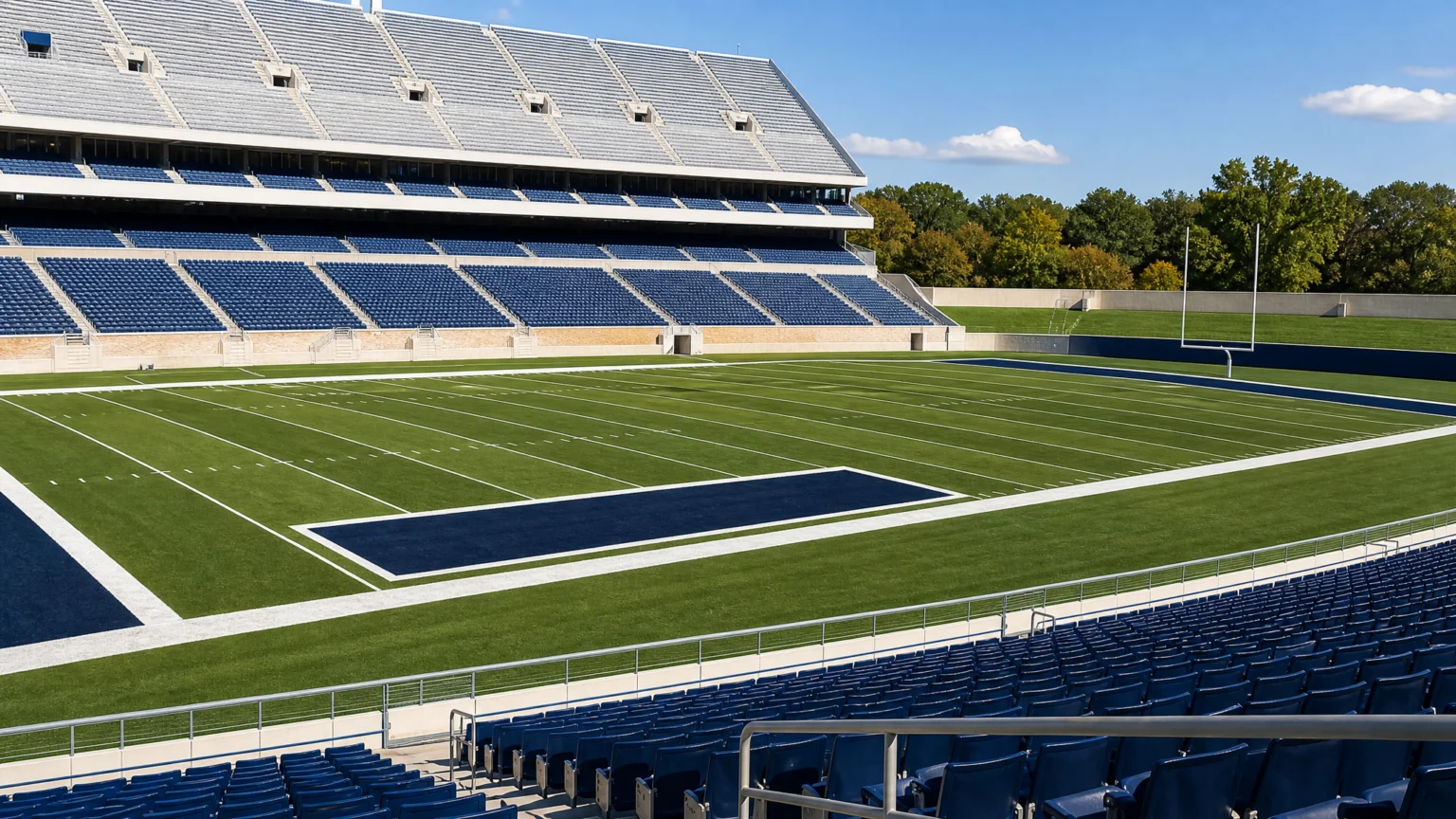
Ole Miss Athletics will add Progressive Insurance branding directly onto the playing field at Vaught-Hemingway Stadium beginning with the 2026 football season. That matters because a field is not background. It is the surface every camera returns to, the plane every formation crosses, and the one branded object no fan can fully ignore once the game starts.
The school is presenting the change as a visible shift in the stadium experience, not simply a business arrangement behind the scenes. Fans entering Vaught-Hemingway Stadium will see something new, and the most prominent part of the partnership will sit where the action happens: on the field itself.
Why the field reads differently
Most stadium branding arrives in layers. A concourse sign catches people in passing. A board at field level flashes in sequence. A sponsored screen graphic appears on cue and disappears just as quickly. Field branding works differently because it becomes part of the game’s visual structure.
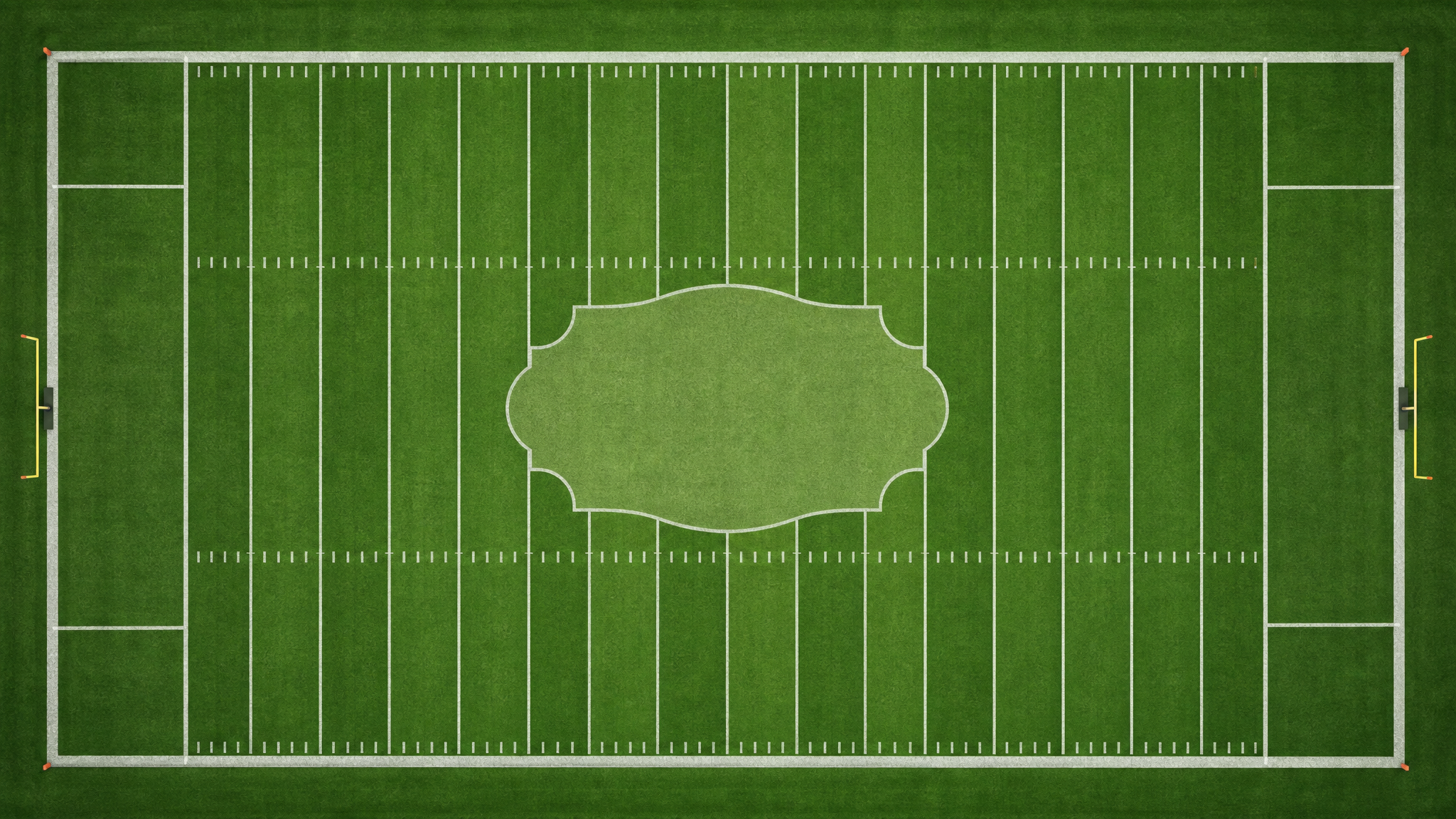
That makes the decision unusually sensitive. The turf already carries yard lines, hash marks, conference identity, team colors, and school marks. Add a corporate name to that surface and the whole composition changes, on television and in person.
For designers, that is the real tension. Visibility is guaranteed. Acceptance is not. A mark this central has to look intentional enough to belong, even when everyone understands it is sponsored space.
A visible shift in college football branding
Ole Miss is stepping into a format that has become much more visible across college football. Corporate logos on fields are now part of the sport’s changing business culture, and the visual norms are moving with it.
Once a treatment reaches the playing surface, it stops feeling peripheral and starts acting like identity architecture. The field becomes a shared stage for athletics, broadcast, and sponsor recognition. That raises the design stakes because every choice now affects both performance optics and brand perception.
The same pattern shows up across other kinds of identity work. Audiences do not experience a brand in neat channels anymore. In this case, the stadium, the feed, and the broadcast collapse into one viewing environment.
Scarcity gives the move extra weight
Ole Miss is one of 13 programs nationally that will feature Progressive branding on the field as part of this initiative. Within the SEC, only two schools are participating, and Georgia is the other one.
That small number matters visually as much as commercially. Scarcity gives the placement distinction before anyone has even seen the final execution. It suggests that on-field sponsor branding is still selective enough to register as a statement rather than a routine formatting choice.
For Ole Miss, the mark will likely be read in two ways at once: as sponsor inventory and as a sign that the program is participating in a new, high-visibility branding format. Good implementation has to support both readings.
The field is the anchor, not the whole system
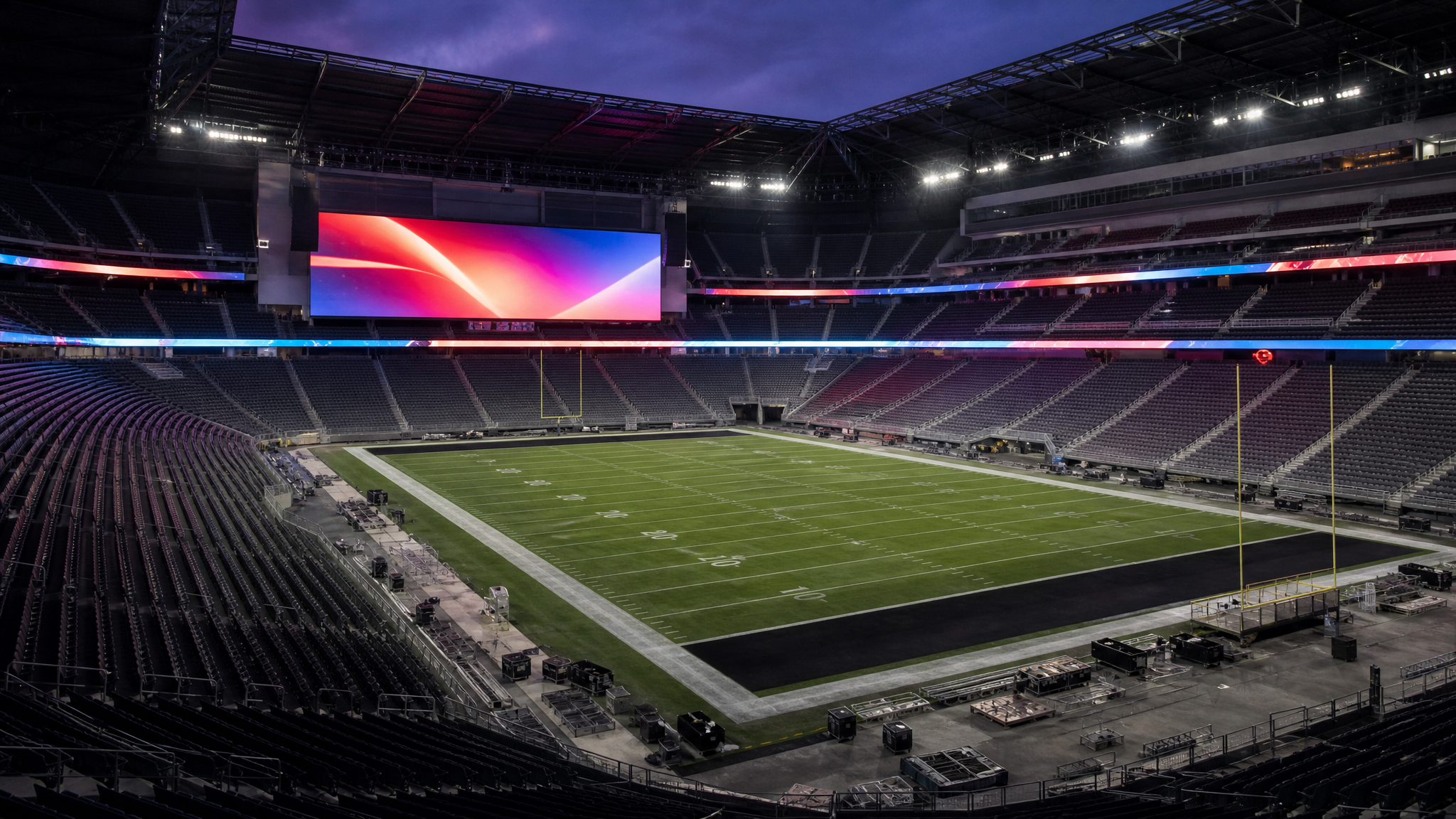
The agreement extends beyond the turf. Progressive will also appear through videoboard features during games, LED signage inside the stadium, and digital and social media integrations.
That fuller set of touchpoints makes the partnership feel designed rather than merely placed. The on-field logo may be the signature element, but the rest of the system carries the relationship across the stadium and into the screens fans already use before, during, and after games.
In practical terms, that spread helps solve a common branding problem: one hyper-visible element that feels disconnected from everything around it. If the field mark is the hero, the videoboards, LEDs, and digital placements can establish continuity, tone, and repetition without asking the turf to do all the work alone.
What to watch in the execution
The most useful question is not whether on-field branding will be noticeable. It will be. The better question is how well it handles hierarchy.
On a college football field, team identity still has to lead. The school, the game markings, and the overall atmosphere cannot be visually pushed aside by the sponsor without making the environment feel less coherent. The strongest executions understand direction: they claim space clearly, but they do not fight every other element for dominance.
There is also the matter of broadcast behavior. A field logo is seen from wide angles, end-zone views, sideline cuts, highlight clips, and still photography. That makes legibility, color contrast, and placement logic especially important. A mark that looks balanced in a mockup can turn noisy once players, shadows, and camera motion move across it.
None of that changes the basic fact that college athletics is opening more of its most symbolic surfaces to commercial identity. It does mean the execution will shape how acceptable, memorable, and visually settled the move feels.
Why this matters beyond one stadium
Vaught-Hemingway is becoming a test case for how far sponsor branding can move toward the center of college sports presentation without losing the sense of place fans value. Because the field is tied so closely to ritual and recognition, every added mark becomes a design decision about what belongs inside that experience.
Ole Miss is not just adding exposure for Progressive. It is participating in a more public rewrite of where brand presence sits in the stadium hierarchy. With the field, videoboards, LED signage, and digital channels working together, the partnership shows how sponsorship now operates as a coordinated visual system rather than a loose collection of placements.
 Logo Template
 Photo Template
 Icon Template
 Photo Template