When Engagement Risks Diluting Your Brand
Imagine a vibrant social media campaign, full of energy and clicks, but then a customer asks, “Is this really from the same brand I know?” This happens when ad formats prioritize fleeting attention over a consistent brand experience. A fast-paced video might grab eyeballs, but if its tone or visuals clash with your established identity, the engagement can feel hollow. The goal isn’t just to get noticed, but to connect in a way that reinforces your brand’s visual identity and core message, making every interaction memorable.
To achieve this, we need formats that allow for deeper interaction and structured storytelling, moving beyond simple image or video posts. We’ll explore two distinct approaches: LinkedIn Conversation Ads, which create a guided chat experience, and Pinterest Idea Pins, designed for immersive, multi-page visual narratives. Both offer powerful ways to deepen engagement while providing robust mechanisms for brand consistency.
LinkedIn Conversation Ads: Guided Conversations for B2B
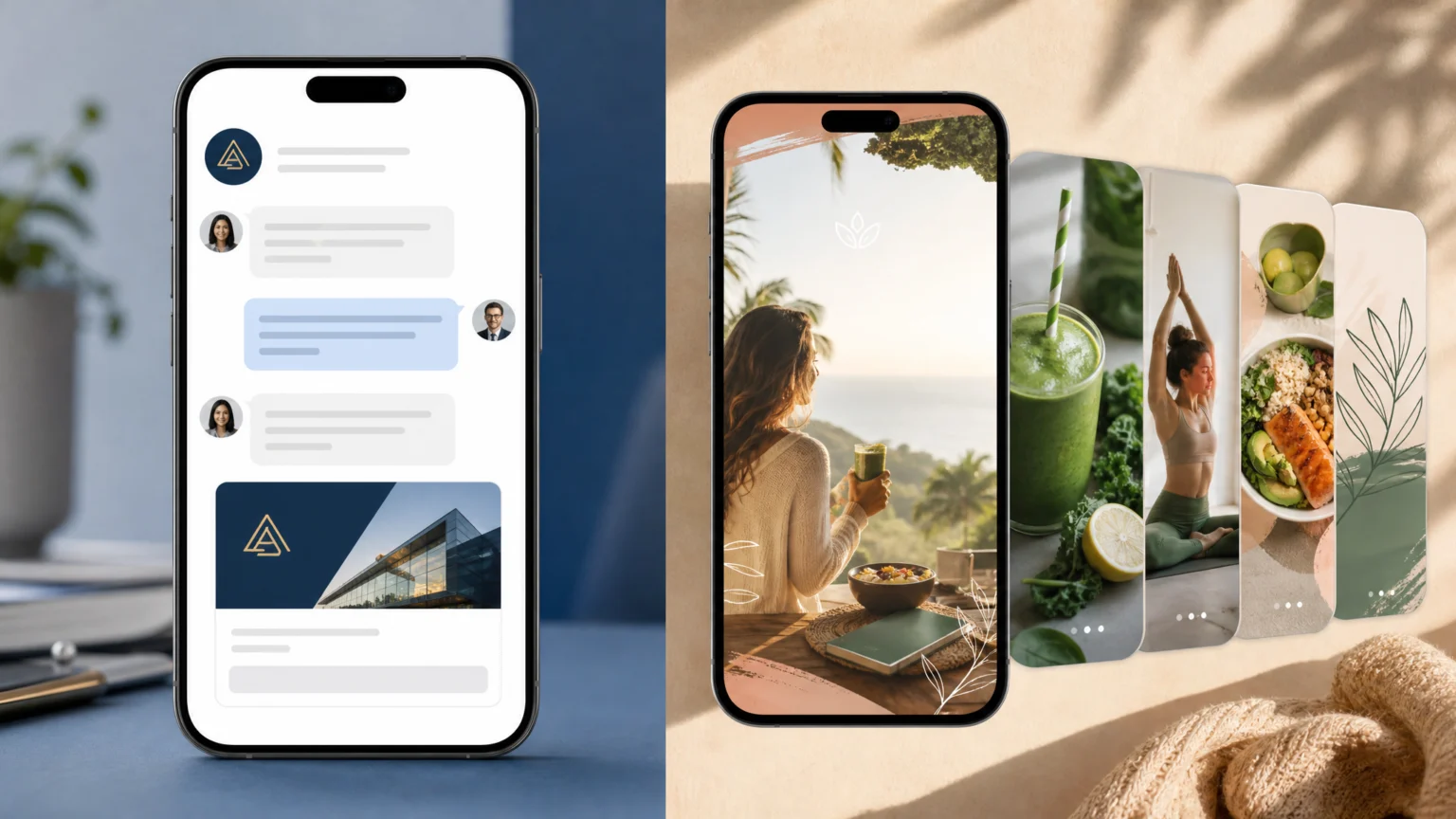
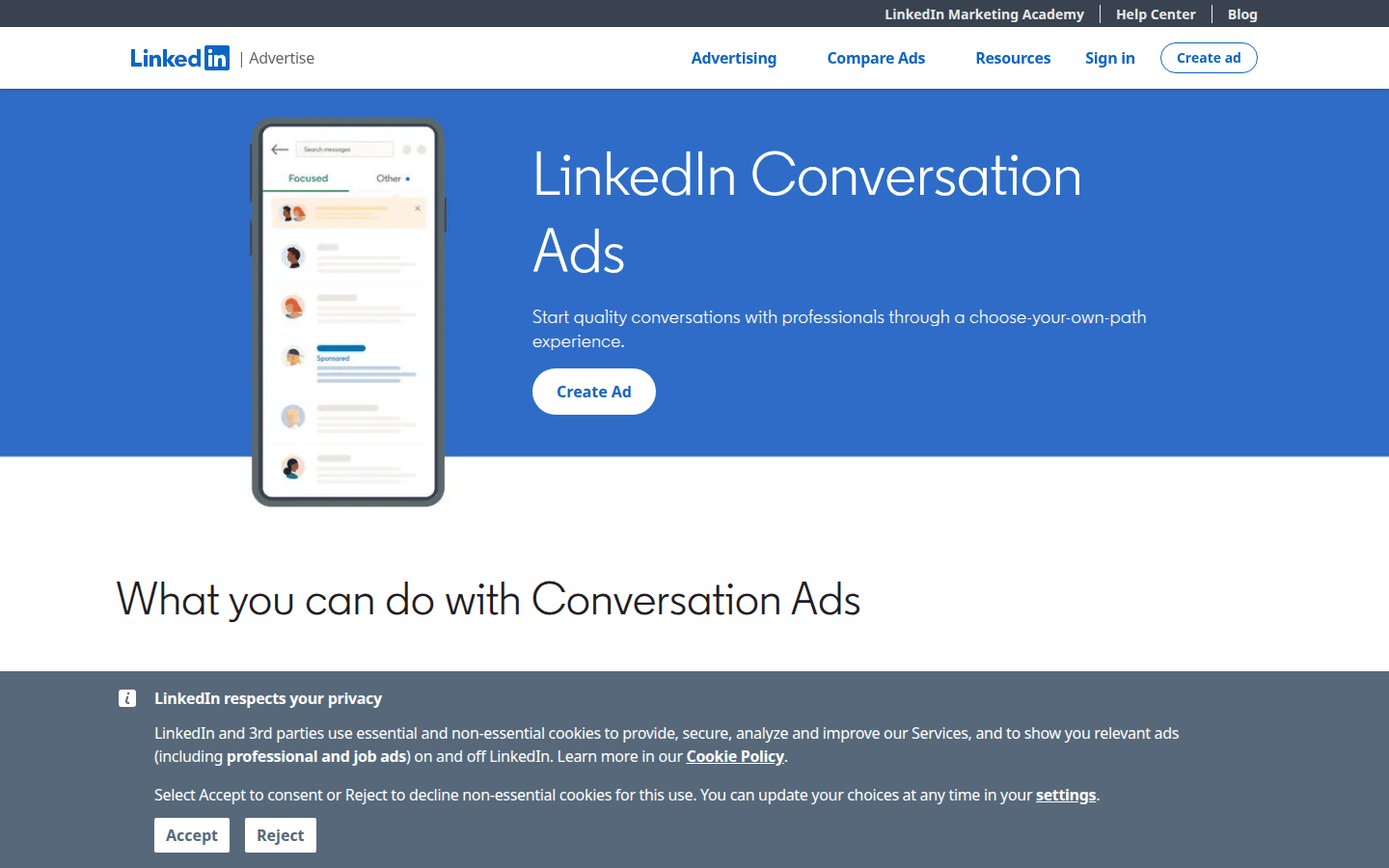
LinkedIn Conversation Ads are a sponsored messaging format designed to initiate quality conversations directly in a targeted member’s inbox. Unlike traditional display ads, these ads offer a choose-your-own-path experience, allowing recipients to interact with pre-determined messages. This chat-like structure delivers customizable branded messages, making the interaction feel more personal and less like a broadcast. LinkedIn’s official marketing solutions page describes Conversation Ads as a way to start quality conversations with a targeted audience.
LinkedIn’s Campaign Manager provides options for setting up Conversation Ads, including message flow and CTA choices.
The format supports multiple call-to-action (CTA) buttons. These can link to landing pages, open a LinkedIn Lead Gen Form directly within the platform, or continue the conversation with more information in the next message. This flexibility allows brands to guide users through a tailored journey, whether the objective is brand awareness, website visits, engagement, lead generation, or website conversions. Conversation Ads are charged by cost per send, aligning the spend with direct outreach rather than impressions. LinkedIn’s help documentation details the multiple CTA options available in Conversation Ads and confirms the pricing model and campaign objectives supported.
Branding and Creative Control
For brand cohesion, Conversation Ads allow for customizable branded messages. While the interaction is chat-based, there are creative specifications to consider. An optional 300 x 250 desktop banner can be included, supporting JPG or PNG formats within specified file-size limits. This provides an additional visual touchpoint for brand reinforcement. The structured nature of the conversation flow ensures that messaging remains on-brand, as all paths are pre-defined by the advertiser. LinkedIn’s Marketing Solutions help page provides detailed creative specifications for Conversation Ads.
When designing your Conversation Ad, consider the user’s journey. Each message should build logically on the last, offering clear choices that align with your brand’s communication style. For example, a software company might offer options like “Learn about our new feature,” “Request a demo,” or “Read a case study.” The tone should be professional yet engaging, reflecting your brand’s voice in a direct, conversational manner. this helps that even though the interaction is automated, it feels personalized and consistent with your overall brand identity.
Pinterest Idea Pins: Visual Storytelling for Inspiration
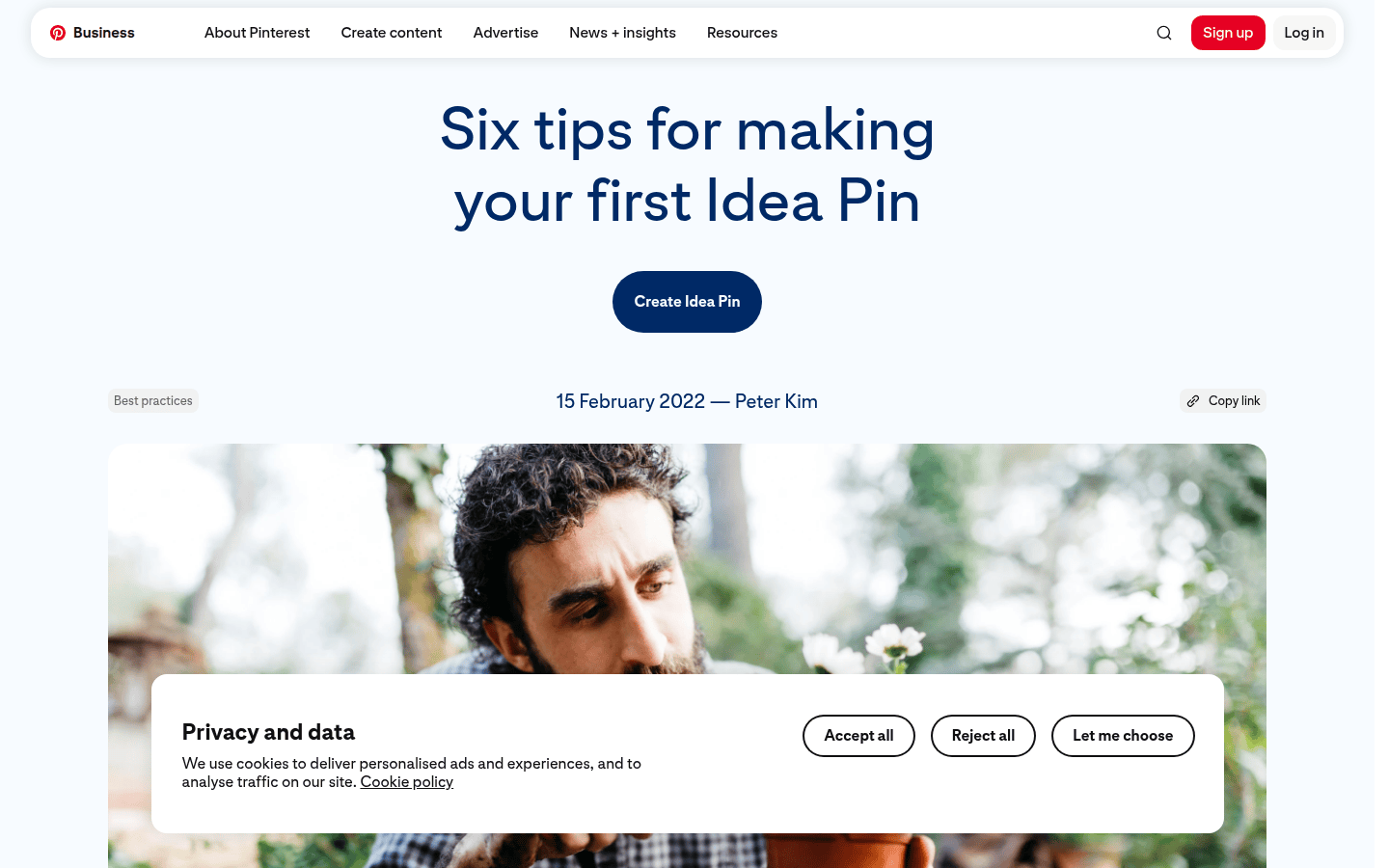
Pinterest Idea Pins are a multi-page video format built for immersive visual storytelling. Designed to keep the creator — and by extension, the brand — front and center, Idea Pins are ideal for tutorials, personal stories, and instructional content. This format allows brands to present a series of videos, images, and text overlays, guiding users through a process or narrative directly within the Pinterest platform. Pinterest’s business blog provides tips for creating effective Idea Pins that engage audiences.
Pinterest Idea Pins blend video, images, and text to create engaging, multi-page stories.
The multi-page structure encourages users to spend more time with the content, fostering deeper engagement than a single image or short video might. For a brand selling home decor, an Idea Pin could demonstrate a DIY project step-by-step, showcasing products in use. This keeps the user within the brand’s narrative while providing tangible value, enhancing recognition and recall. Idea Pins are particularly effective for verticals such as home, fashion, and food, where visual inspiration drives user behavior.
Branding and Creative Control
Idea Pins are inherently visual, making brand consistency a primary consideration. Brands maintain full control over the visual assets, text overlays, and sequence of pages. This allows for a consistent aesthetic, color palette, and tone of voice across the entire Pin. While there isn’t a direct “cost per send” model like LinkedIn, the value comes from the prolonged engagement and the ability to showcase a brand’s expertise and aesthetic through rich, sequential content.
When creating Idea Pins, focus on high-quality visuals and a clear narrative flow. Each page should contribute to the overall story, whether it’s a step in a recipe or a different angle of a product. Use consistent filters, fonts, and branding elements to ensure a cohesive look. For example, a beauty brand could create an Idea Pin demonstrating a makeup tutorial, with each page highlighting a different product and technique, all while maintaining their signature visual style. This approach builds trust and reinforces brand identity through compelling visual content.
Choosing the Right Format for Your Brand’s Goals
When deciding between LinkedIn Conversation Ads and Pinterest Idea Pins, consider your primary objectives and target audience. Both formats offer distinct advantages for maintaining brand cohesion while driving engagement, but they cater to different types of interactions and content. Your choice should align with where your audience spends their time and how they prefer to interact with brands.
| Criterion | LinkedIn Conversation Ads | Pinterest Idea Pins |
|---|---|---|
| Current Availability | Available via LinkedIn Campaign Manager | Available for creators and businesses on Pinterest |
| Messaging & CTA Flow | Guided, chat-like experience with multiple, customizable CTA options (landing pages, Lead Gen Forms, next message) | Multi-page visual storytelling with integrated links; creator-centric |
| Branding & Creative Control | Customizable branded messages, optional 300×250 desktop banner (JPG/PNG). Brand voice maintained through pre-defined conversation paths. | Full control over visual assets, video, text overlays, and sequence. Strong visual branding through consistent aesthetics. |
| Fit for Goals | Strong for B2B lead generation, website visits, brand awareness, engagement, and conversions through direct interaction. | Excellent for inspirational content, tutorials, and brand storytelling, driving engagement and product discovery in visual-first sectors. |
| Operational Complexity | Requires careful planning of conversation paths and CTA logic within Campaign Manager. Charged per send. | Focuses on creative production of multi-page visual content; less complex in terms of interactive logic. |
LinkedIn Conversation Ads excel for B2B brands seeking direct engagement and lead generation through a structured, interactive dialogue. The ability to integrate Lead Gen Forms directly into the conversation streamlines the path from interest to conversion, all while maintaining a professional brand voice. For example, a software company could use Conversation Ads to offer a personalized demo based on user-selected pain points, ensuring the follow-up is highly relevant. This direct, guided approach helps qualify leads efficiently.
Pinterest Idea Pins, on the other hand, are better suited for brands in visually driven sectors like retail, food, or lifestyle. They allow for rich, multi-page narratives that inspire and educate, keeping the brand’s aesthetic and story central. A fashion brand might use Idea Pins to showcase a new collection through a series of outfit ideas and styling tips, creating an immersive experience that resonates with their audience’s visual preferences. This format builds brand affinity through inspiration and practical application. For more on creating effective social ads, consider how to design social media ads that convert without breaking brand guidelines.
Maintaining Cohesion Across Platforms
Regardless of the format chosen, the principle of visual hierarchy remains critical. Ensure your brand’s logo, color palette, and typography are consistently applied and immediately recognizable. For Conversation Ads, this means a consistent tone in message copy and a clear, on-brand desktop banner. For Idea Pins, it involves a cohesive visual style across all pages, from video segments to text overlays. This consistency builds trust and strengthens brand recall.
Both formats offer powerful ways to engage audiences beyond static posts. what matters is to leverage their unique interactive or storytelling capabilities while rigorously adhering to your brand’s established visual and verbal guidelines. this helps that every interaction, whether a guided chat or an inspirational visual journey, strengthens your brand’s presence rather than diluting it. Ultimately, choosing the right format and executing it with brand consistency will lead to more meaningful engagement and stronger brand recognition.
 Logo Template
 Photo Template
 Logo Template
 Icon Template