
Why Generic Stock Photos Often Miss the Mark
Imagine launching a new artisanal coffee brand, meticulously crafted with unique flavor profiles and a commitment to ethical sourcing. You need visuals that convey this authenticity, but a quick search for “coffee beans” on a popular stock site yields endless images of perfectly arranged, sterile beans or overly cheerful models holding generic mugs. These visuals, while technically high-quality, often feel disconnected from your brand’s genuine story. They lack the specific cultural context, diverse representation, or nuanced emotion that truly resonates with a target audience.
This visual mismatch isn’t just an aesthetic problem; it erodes trust. When every brand, from a local bakery to a global tech company, uses the same handful of overused images, content loses its distinct visual voice. Audiences increasingly expect to see themselves and their experiences reflected in the brands they engage with. Beyond aesthetic concerns, navigating licensing terms for commercial use can be a complex and risky endeavor, often leading to hidden costs or legal pitfalls if not handled carefully. The solution often lies in looking beyond the most obvious sources to platforms that prioritize specific types of representation or offer more transparent commercial terms.
Nappy: Focused on Diverse Representation
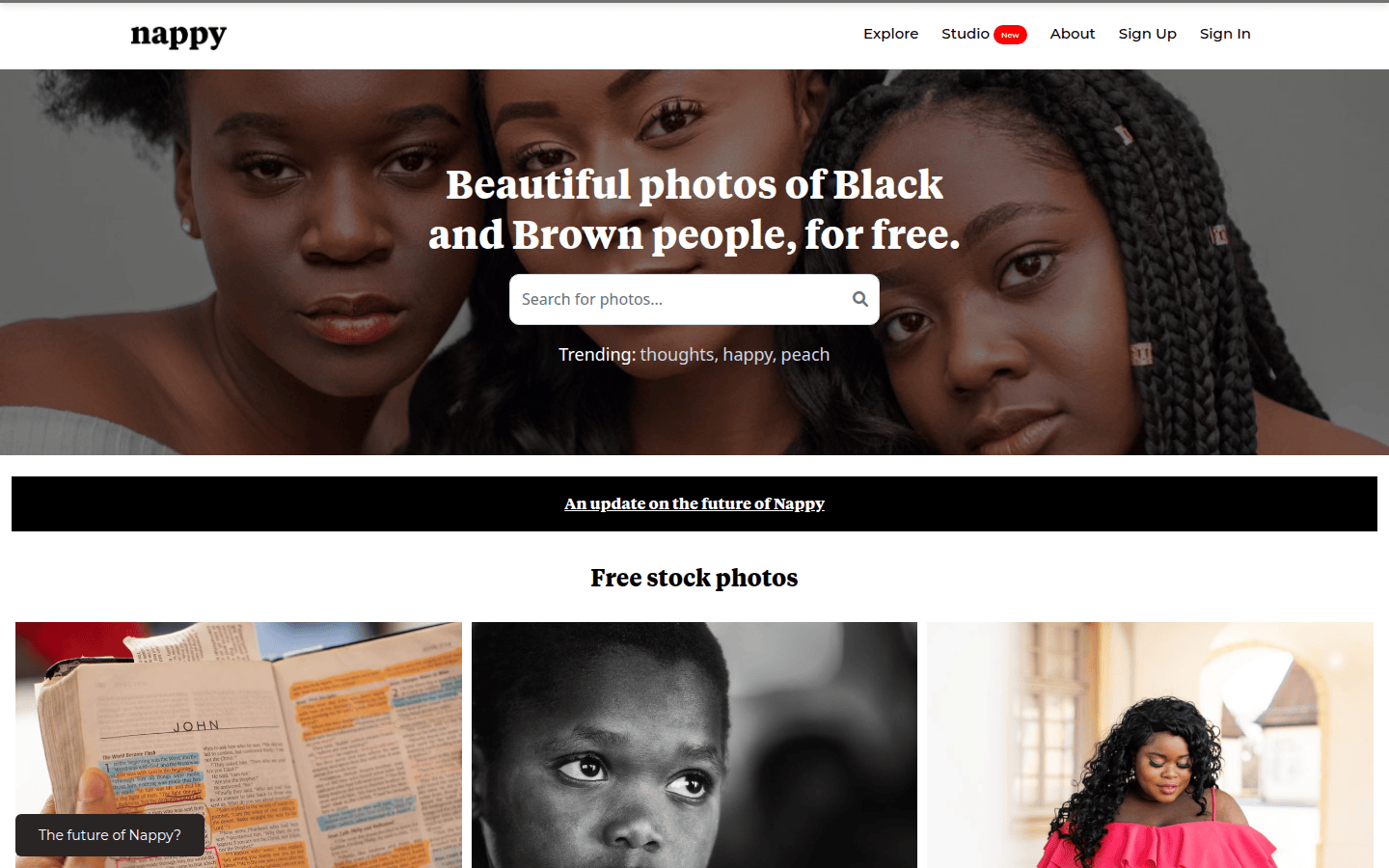
For brands specifically seeking to feature Black and Brown individuals, Nappy provides a focused and entirely free resource. The platform explicitly states its mission to offer beautiful, diverse stock photos of Black and Brown people for both commercial and personal use. This direct approach addresses a significant gap in traditional stock photography, where diverse representation can often feel tokenized or limited.
The benefit of Nappy lies in its clear commitment to a specific demographic, ensuring that brands can find images that genuinely reflect a broader audience. Its licensing is straightforward: images are free for commercial and personal use, simplifying the decision-making process for content creators. This clarity removes much of the ambiguity often associated with free image sources, allowing brands to use the visuals with confidence in marketing materials, social media, and websites.
Consider a non-profit organization running a campaign to promote educational equity in urban communities. Using Nappy, they can find authentic, relatable images of students and educators that reflect the communities they serve, rather than relying on generic, often culturally misaligned, alternatives. This specific visual alignment strengthens their message and fosters deeper connection. However, Nappy’s strength in its specific focus also defines its limitation. Brands needing a broader range of demographics or highly specialized imagery might need to supplement their search with other platforms. It excels when the core need is authentic representation of Black and Brown people, offering a consistent visual tone that can be hard to achieve elsewhere without significant effort.
TONL: Culturally Rich and Curated Storytelling
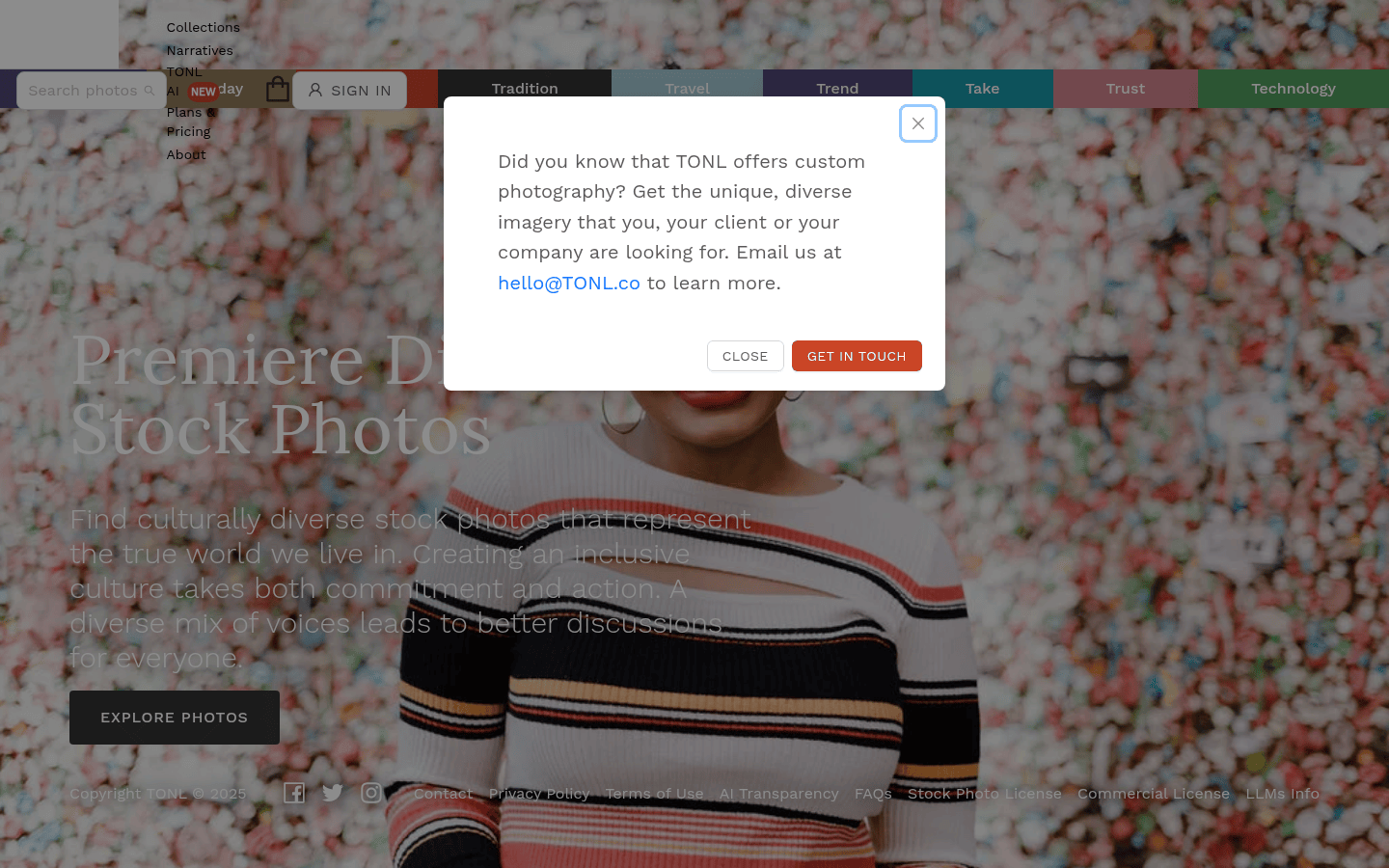
TONL positions itself as a source for cultural and diverse stock photos, aiming to tell stories through its imagery. This platform moves beyond mere representation to offer visuals that carry a deeper narrative and cultural context. For brands whose messaging emphasizes global perspectives, specific cultural celebrations, or nuanced human experiences, TONL can provide a more resonant visual library.
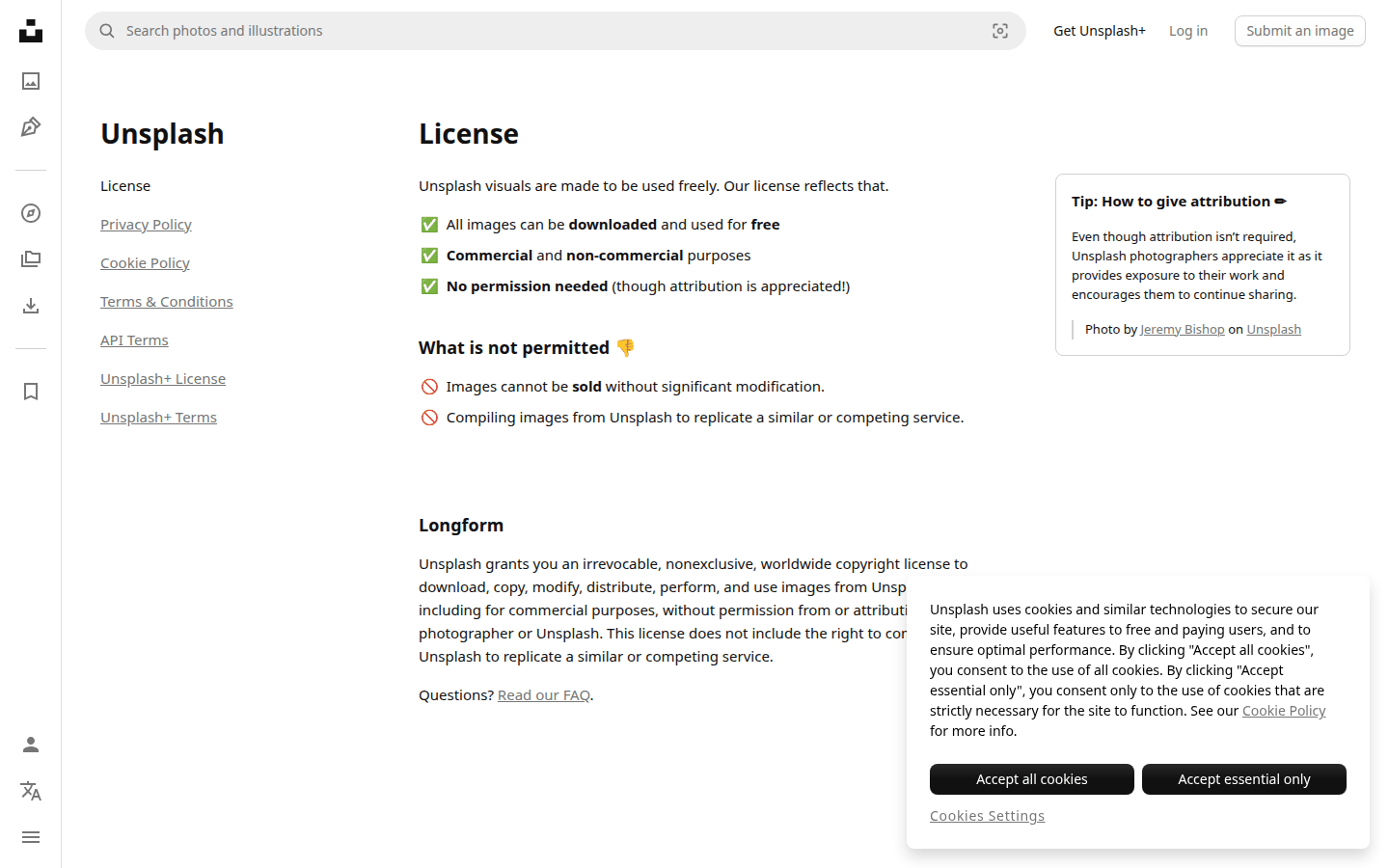
The licensing model for TONL is more layered than Nappy’s. While it offers subscriptions, these are generally for editorial use. For commercial licensing, brands are directed to contact TONL directly. This distinction is crucial: a brand creating an article about a cultural event might use a subscription, but a brand developing an advertisement for a product targeting that same cultural group would need to arrange specific commercial terms. This requires proactive communication rather than a simple download, but ensures precise legal clarity.
TONL also offers custom photo project services, which can be invaluable for brands with unique visual needs that cannot be met by existing stock libraries. For instance, a travel agency specializing in authentic cultural experiences could commission TONL to capture specific traditions or landscapes, ensuring their marketing materials are both unique and culturally sensitive. TONL’s curated approach means images often feel less generic and more authentic, reflecting real-world scenarios rather than studio-staged setups. This can significantly enhance brand fit, especially for campaigns that prioritize genuine connection and cultural understanding.
Unsplash: Broad Reach with Flexible Free Licensing
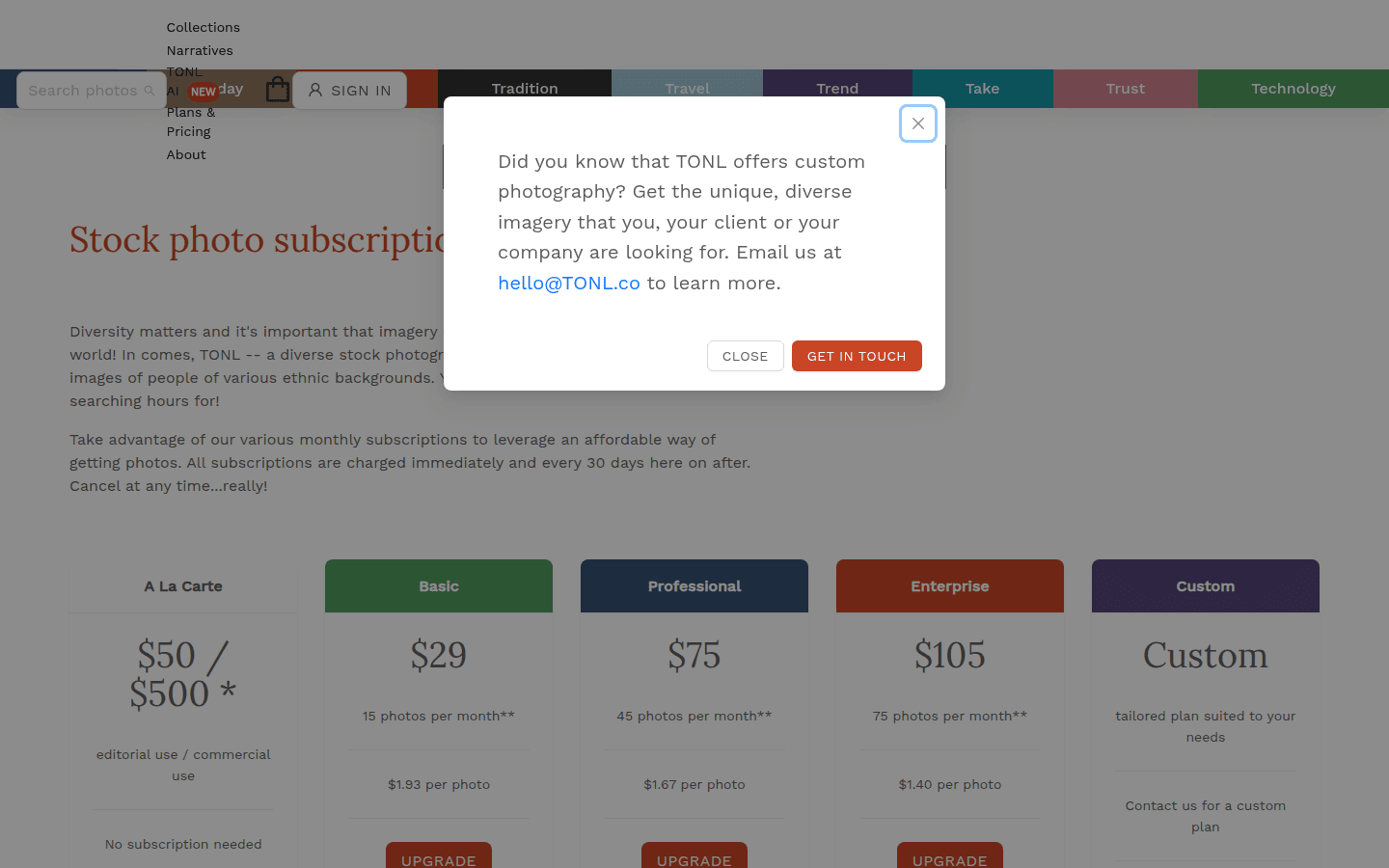
Unsplash offers a vast library of high-quality images, primarily distinguished by its flexible standard license. This license permits users to download, copy, modify, distribute, perform, and use images for free, including commercially, without requiring permission or attribution. This makes it a highly accessible option for many brands, particularly those with limited budgets or rapid content production cycles.
However, the Unsplash license does include specific restrictions. Users cannot compile images from Unsplash to replicate a similar or competing service. This prevents the creation of new stock photo platforms using Unsplash’s content. Additionally, Unsplash offers Unsplash+, a separate subscription service with different terms. Unsplash+ provides broader use rights and includes an insurance promise up to US $10,000 per file, alongside its own set of restrictions. Brands considering Unsplash+ should carefully review its distinct license to understand the full scope of its benefits and limitations.
While Unsplash offers incredible breadth and ease of use, its general-purpose nature means that achieving highly specific or culturally nuanced representation might require more extensive searching and curation. For example, a tech startup needing a background image for their website might easily find a sleek, modern cityscape on Unsplash. However, if that same startup needs an image of a specific cultural festival to promote a localized app, Unsplash might require more effort to find an appropriate, non-generic visual. It excels as a go-to for high-quality, free imagery across a wide range of subjects, but brands must remain vigilant about their specific representation needs and ensure the chosen images align with their brand identity without appearing generic.
Selecting the Right Visuals for Your Brand
When selecting stock photography alternatives, consider how each platform aligns with your brand’s visual strategy and commercial needs. If your brand prioritizes authentic representation of Black and Brown communities, Nappy offers a direct, free solution. For brands focused on cultural storytelling and diverse narratives, TONL provides curated imagery, though commercial use requires direct engagement.
For broad-ranging visual content where flexibility and cost-effectiveness are key, Unsplash’s standard free license is a powerful option, provided you understand its usage restrictions and the separate terms of Unsplash+. Each of these alternatives moves beyond the generic, allowing brands to build more authentic, resonant visual content that connects meaningfully with their intended audience. The decision ultimately rests on balancing your specific visual requirements, budget, and the level of licensing complexity you are prepared to manage.
To make an informed choice, consider these key questions:
- What specific demographics or cultural contexts do your visuals need to represent? If your audience is highly specific, platforms like Nappy or TONL will offer more targeted results than a general stock site.
- What is your budget for visual assets? Free platforms like Nappy and Unsplash (standard license) are excellent for cost-conscious brands, while TONL’s commercial licensing or custom projects involve a greater investment.
- How frequently do you need new images? For high-volume content creation, Unsplash’s vast library and flexible license can be a significant advantage.
- What level of licensing clarity and legal protection do you require? While all platforms discussed offer clear terms, the ease of obtaining commercial rights varies. Nappy is straightforward, Unsplash has detailed standard and Plus licenses, and TONL requires direct contact for commercial use.
- Are you willing to invest time in curation? Even with specialized platforms, finding the perfect image requires thoughtful searching and selection to ensure it truly aligns with your brand’s unique voice and message.
By carefully evaluating these factors, brands can move beyond the pitfalls of generic stock photography and cultivate a visual identity that is both authentic and impactful. Choosing the right alternative means investing in visuals that tell your brand’s story with integrity and resonate deeply with your audience, fostering stronger connections and building lasting trust.
 Photo Template
 Icon Template
 Logo Template
 Photo Template