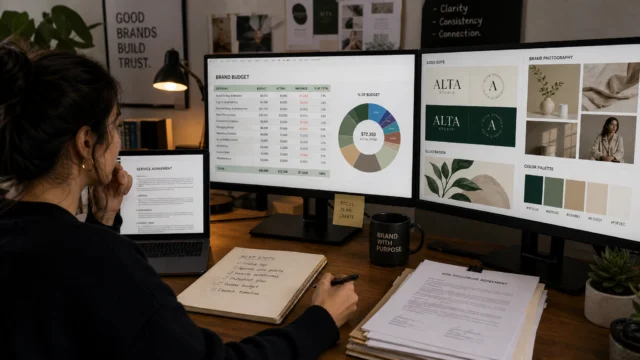
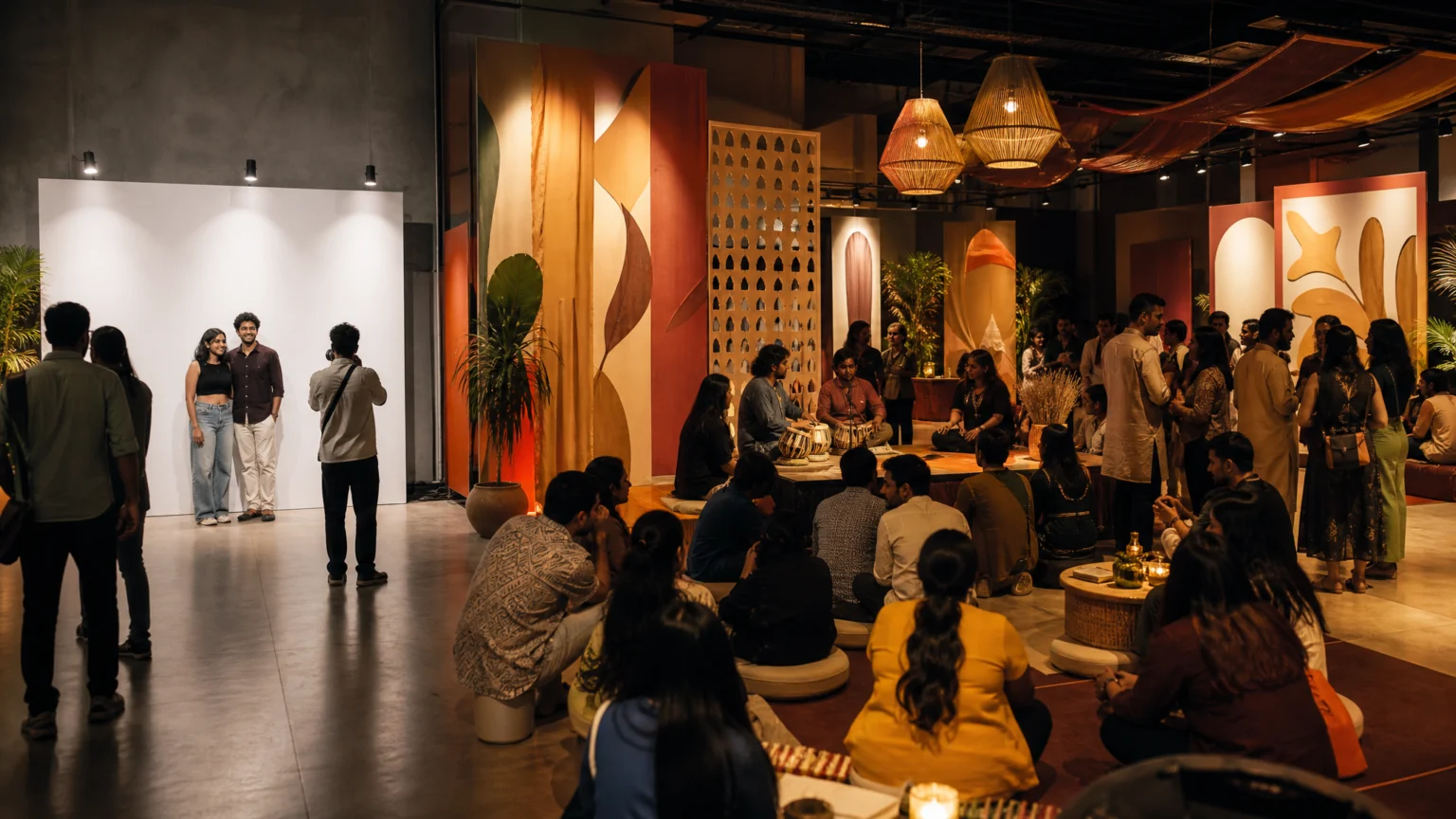
A logo on a backdrop can reach thousands and still leave almost nothing behind. Visibility is easy to buy. Belonging has to be built.
That difference is reshaping experiential marketing. Brands are moving beyond logo-led sponsorship alone and toward participation that feels like a place, a habit, or a shared interest. The center of gravity is shifting from borrowed attention to designed experience.
In India, that shift carries real commercial weight. The live-events market is estimated at ₹13,000 crore, 78% of consumers prefer experiences over products, and 55% of live-event attendees report higher purchase intent after interacting with brands on the ground.
The broader direction is similar globally. Cultural relevance, meaningful physical interaction, and community-building are defining the next phase of brand experience, while live events are exerting stronger influence on how audiences think and feel about brands.
Visibility still counts, but it cannot carry the whole job
For years, sponsorship often worked like rented surface area: a logo on the stage, signage across the venue, maybe a branded zone near the entrance. That model optimized recall. It gave brands presence without asking them to shape much of the actual experience.
Now audience expectations have changed. People are less interested in being advertised to and more interested in joining something with mood, form, and social meaning. That changes the brief. A brand is no longer choosing only where to appear; it is deciding how to host attention.
That is why many event identities now need more than a mark and a color palette. They need a clear tone, repeatable cues, and an environment people can recognize from several angles. The signature has to travel across space, programming, and interaction, not just signage.
Owning the platform changes the brand’s role
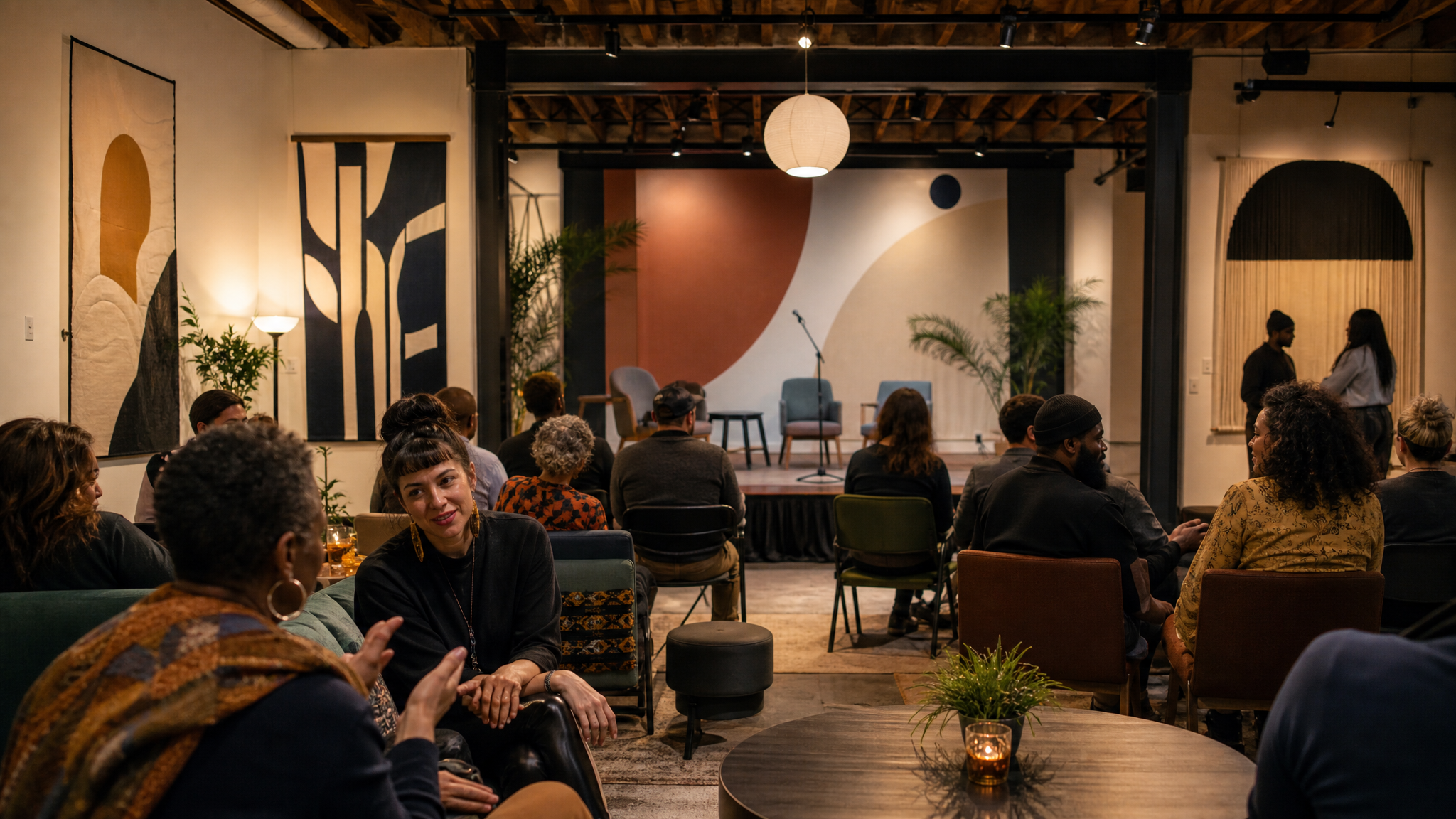
One clear sign of this shift is the rise of brand-owned cultural platforms. Instead of attaching themselves to someone else’s property, some brands are building the property itself.
The Mahindra Group moved early with cultural platforms such as the Mahindra Blues Festival and META. Godrej India Culture Lab offers another model: a sustained cultural space for dialogue, experimentation, and community.
These examples matter because ownership changes the brand’s position in the room. The brand is no longer a guest trying to stay visible between acts. It becomes the organizer of the frame, setting the timing, shaping the atmosphere, and deciding what kind of exchange feels natural inside that world.
From a design point of view, that creates more responsibility and more opportunity. An owned platform has to feel coherent over time. It needs visual language that can stretch across editions, formats, and audiences without looking thin or overly promotional.
Category fit decides if ownership feels believable
This does not mean every brand should launch its own festival, lab, or community property. Ownership is not a universal upgrade from sponsorship. It works only when a brand has a credible reason to gather people around it.
That logic favors consumer and lifestyle categories. Beauty, fashion, sports, food and beverage, automobiles, fitness, and consumer technology all have easier paths into community because the products already sit close to identity, aspiration, or everyday rituals.
Nykaa, Myntra, Decathlon, food and beverage brands, automobile brands, fitness brands, and consumer-tech companies are the kinds of businesses where owned IP can make practical sense. Their audiences often want discovery, demonstration, taste, movement, or shared enthusiasm. The event becomes an extension of use, not an interruption to it.
The same model does not translate neatly to real estate, cement, steel, industrial manufacturing, heavy engineering, construction materials, logistics, chemicals, or many B2B financial and enterprise brands. These sectors may still benefit from live presence, but the right form is often partnership or sponsorship with a narrower purpose.
Participation can outwork possession
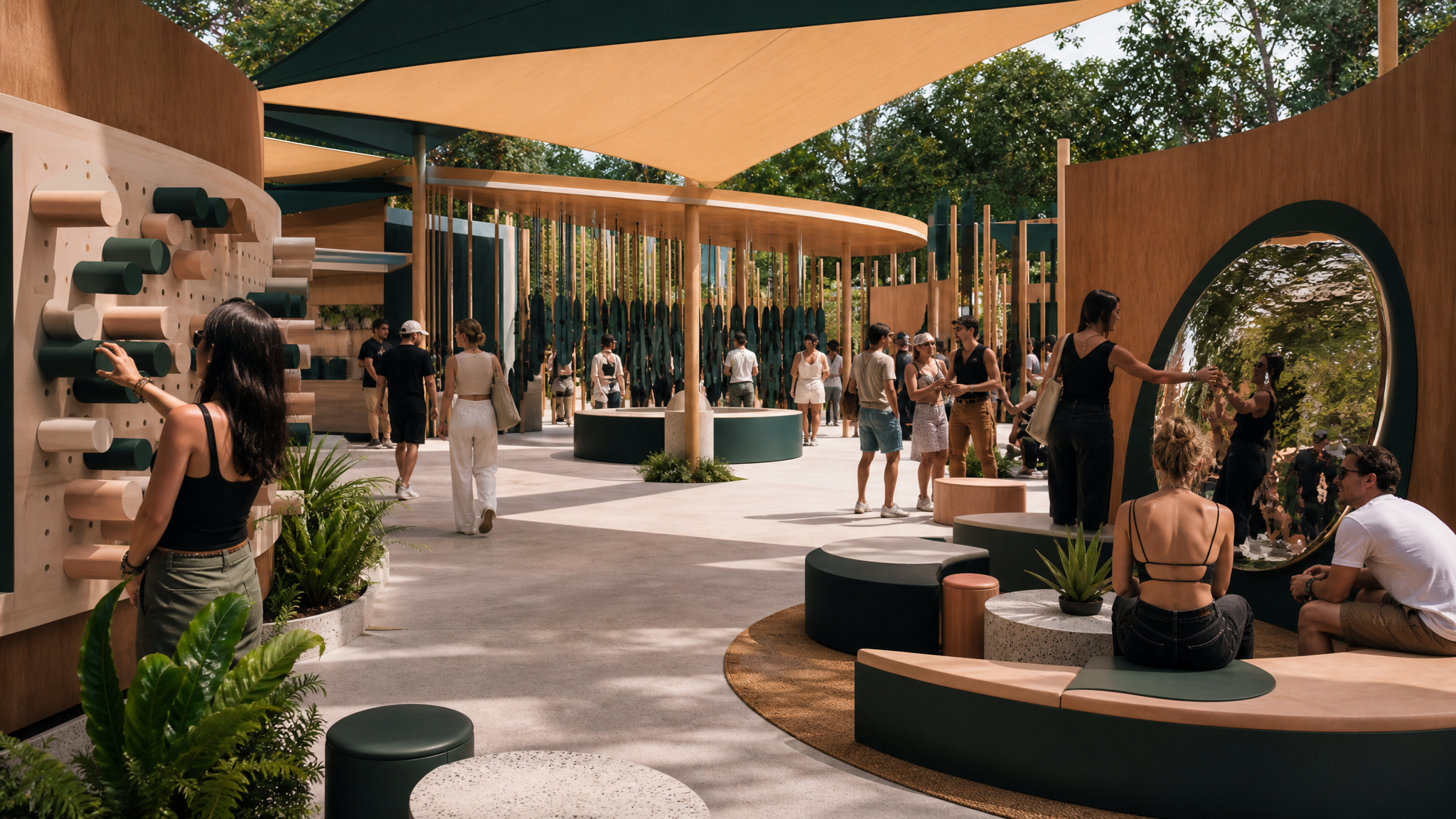
For many brands, the smartest move is not to own the whole stage. It is to enter the right cultural setting with a role that feels useful, legible, and proportionate.
That might mean sponsoring an existing event where the audience fit is already strong. It might mean partnering with a platform that has trust and community built in. In those cases, design has a different job. It must help the brand arrive without overpowering the host context.
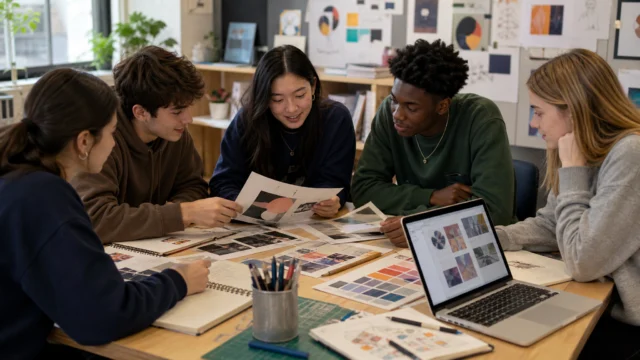
Good participation design is disciplined. It edits the message, reduces visual noise, and gives people a clear reason to approach. This is close to the logic behind campus activations that change the room: branded presence works better when the environment gives people something to do, notice, or share rather than simply something to look at.
That same restraint applies to sound, motion, and on-screen assets. If every touchpoint shouts, the brand starts to feel like a sponsor again, even inside an owned setting. Sound works harder when it behaves like part of the system, and the same is true for every other sensory cue.
Systems matter more when experiences return
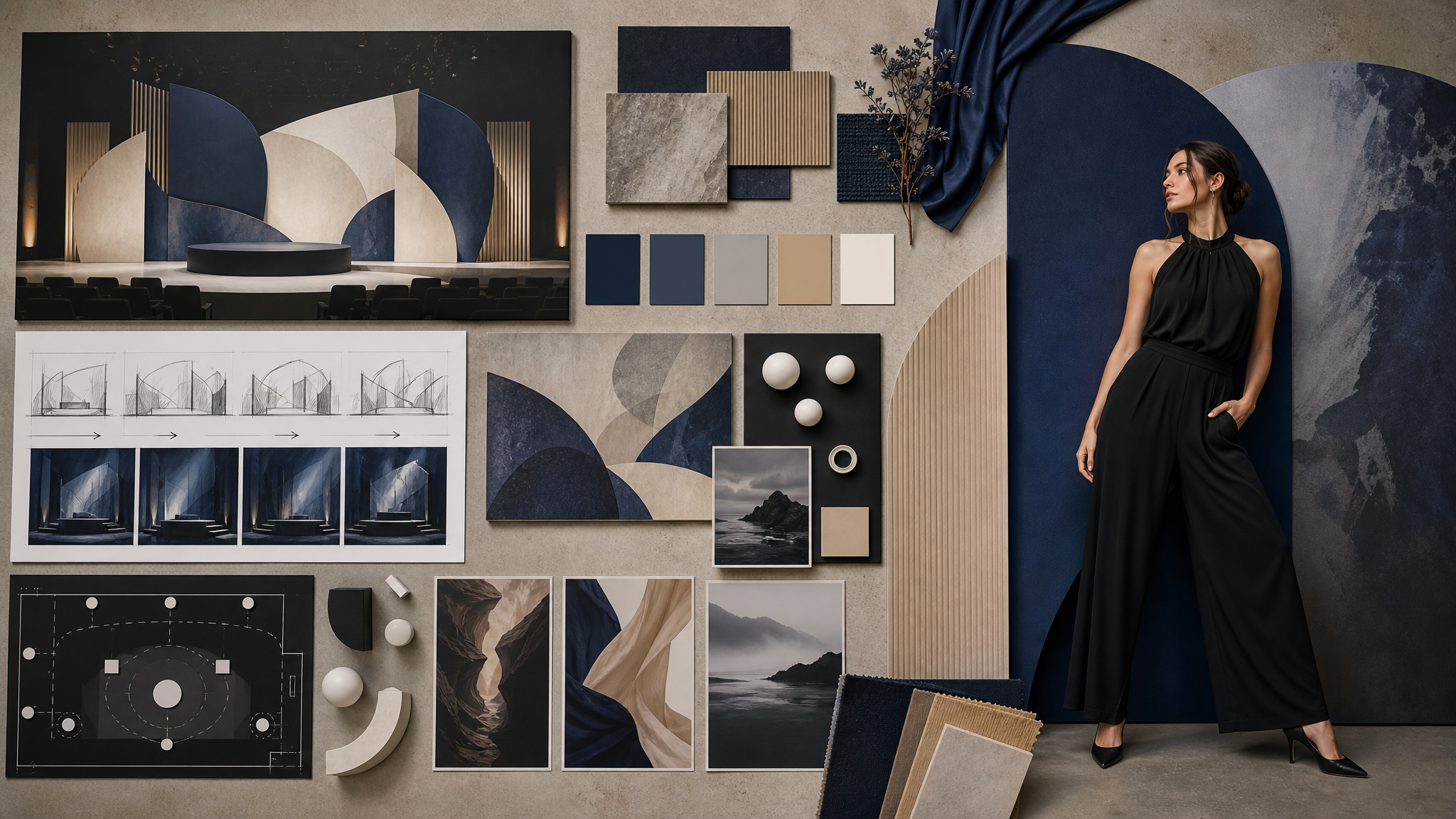
Once a brand begins building recurring live properties, consistency becomes a structural issue. A one-off event can rely on novelty. A returning platform needs memory.
That is where many brands either mature or unravel. If each edition looks unrelated to the last, the platform loses recognition. If every element is locked too tightly, it cannot respond to new collaborators, venues, or audiences. The best event identities hold a steady spine and leave room for variation.
In practical terms, that often means defining a small set of recognizable assets: spatial cues, headline behavior, motion rhythm, color contrast, and image style. Teams that need lightweight animated brand elements across screens or venue content often benefit from a more modular toolkit such as logo reveal animation assets or flexible logo animation templates. The point is not spectacle. It is repeatability without dullness.
When the system is clear, the event can change scale without losing character. A panel series, a festival, and a social clip can all feel related because the visual direction carries the same intent.
The next move is choosing what to own, sponsor, or support
The useful point is not that sponsorship is obsolete. It is that brands now need sharper judgment about which role fits the category, the audience, and the kind of experience they can credibly sustain.
Some brands should own cultural platforms because they have the relevance and range to do it well. Some should sponsor selective properties and focus on high-quality participation. Others should partner, contributing something specific to an audience they cannot gather on their own.
That choice is strategic, but it is also visual. Ownership asks for a system with stamina. Sponsorship asks for restraint and clarity. Partnership asks for careful alignment. The brands that read those differences well are the ones people remember after the lights go down.
 Photo Template
 Photo Template
 Photo Template
 Logo Template