

Imagine launching a new product campaign, only to discover the striking hero image you’ve used is embroiled in a copyright dispute. Or perhaps your brand’s social media feed looks disjointed, with images varying wildly in quality and style. These common pitfalls highlight a critical challenge for many brands: how to acquire high-quality visual assets without draining marketing budgets or risking legal headaches.
The solution isn’t about cutting corners, but rather about smart, strategic sourcing. By understanding licensing nuances, leveraging free resources, and navigating stock platforms effectively, you can build a robust visual library that elevates your brand’s presence. This guide provides a workflow for securing impactful, legally sound visual content, ensuring every image, video, and graphic reinforces your brand’s identity with confidence.
Understand Licensing to Avoid Costly Mistakes
Before you even begin searching for assets, clarify the types of licenses and their implications for your brand. Misunderstanding usage rights can lead to significant legal and financial repercussions. Creative Commons (CC) licenses, for instance, offer a standardized way to grant public permission to use copyrighted works, but they come in various forms, each with specific conditions.
For example, a CC BY license allows use with attribution, while a CC BY-NC-ND license permits use with attribution for non-commercial purposes only, and without derivatives. Commercial use, which often includes marketing and advertising, requires careful attention to these distinctions. Always check if a license permits commercial use and whether modifications are allowed. Ignoring these details can force you to pull an entire campaign or product line, costing far more than the original asset.
Consider the specific needs of your project. Are you creating an internal presentation, a public advertisement, or a product for sale? Each scenario might demand a different license type. For instance, an image used in a blog post might only require attribution, while the same image used on a product label would likely need a commercial license with broader rights. Always prioritize clarity over convenience to avoid future complications.
Leverage Open-Licensed Resources for Free Assets
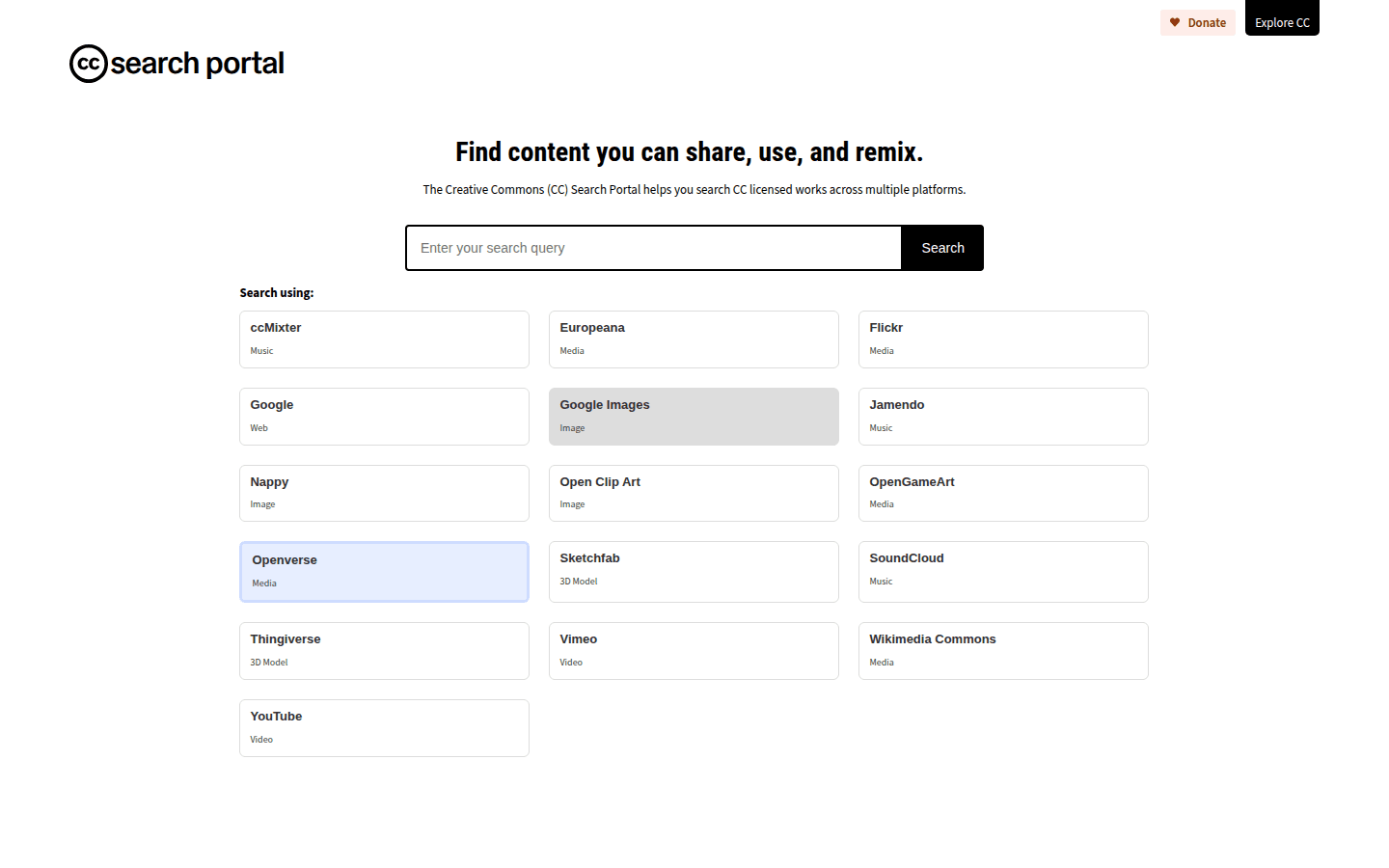
Many high-quality assets are available for free under open licenses, primarily Creative Commons or public domain designations. These resources are excellent starting points for budget-conscious brands, provided you understand their specific terms.
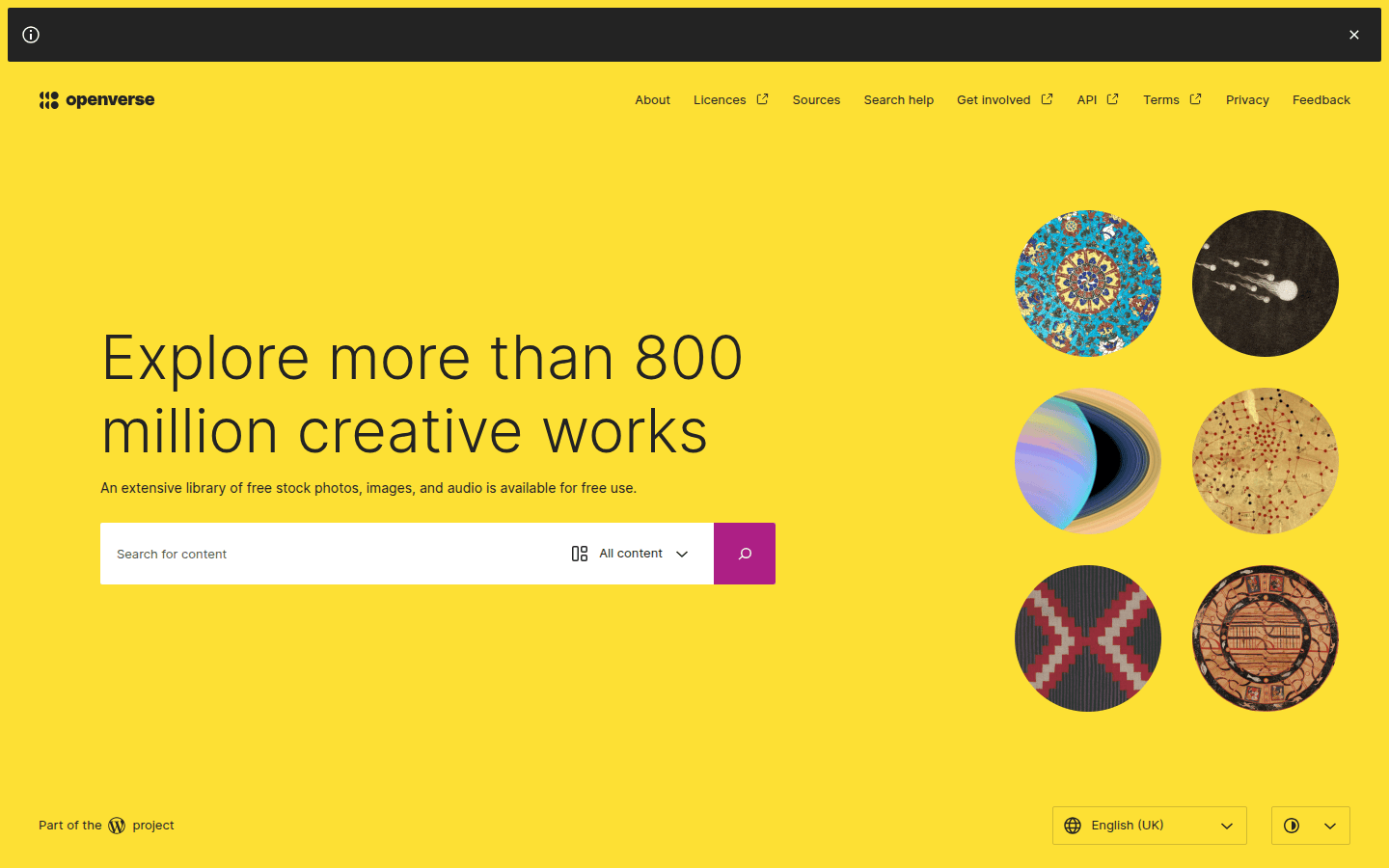
Creative Commons Search is a valuable tool for discovering CC-licensed content across various platforms, including images, audio, and video. It acts as an aggregator, simplifying the search for content that aligns with your usage needs. Similarly, Openverse, a WordPress initiative, offers a vast collection of content that is either under a Creative Commons license or in the public domain, making it suitable for a wide range of projects. Another useful checkpoint is Search Portal.
When using open-licensed assets, always double-check the specific license attached to each item. Some require attribution, meaning you must credit the original creator, while others might restrict commercial use or derivative works. A quick check at the point of download can prevent future compliance issues. For example, a CC0 license means no rights reserved, allowing you to use the content freely without attribution. However, a CC BY-SA license requires attribution and that any derivative works be shared under the same license. Understanding these nuances is crucial for legal compliance and ethical use.
Navigate Stock Platforms for Specific Needs
When open-licensed options don’t quite fit your brand’s specific aesthetic or message, stock platforms offer a broader range of professional assets. While many stock sites operate on a subscription or pay-per-asset model, they can still be budget-friendly if approached strategically.
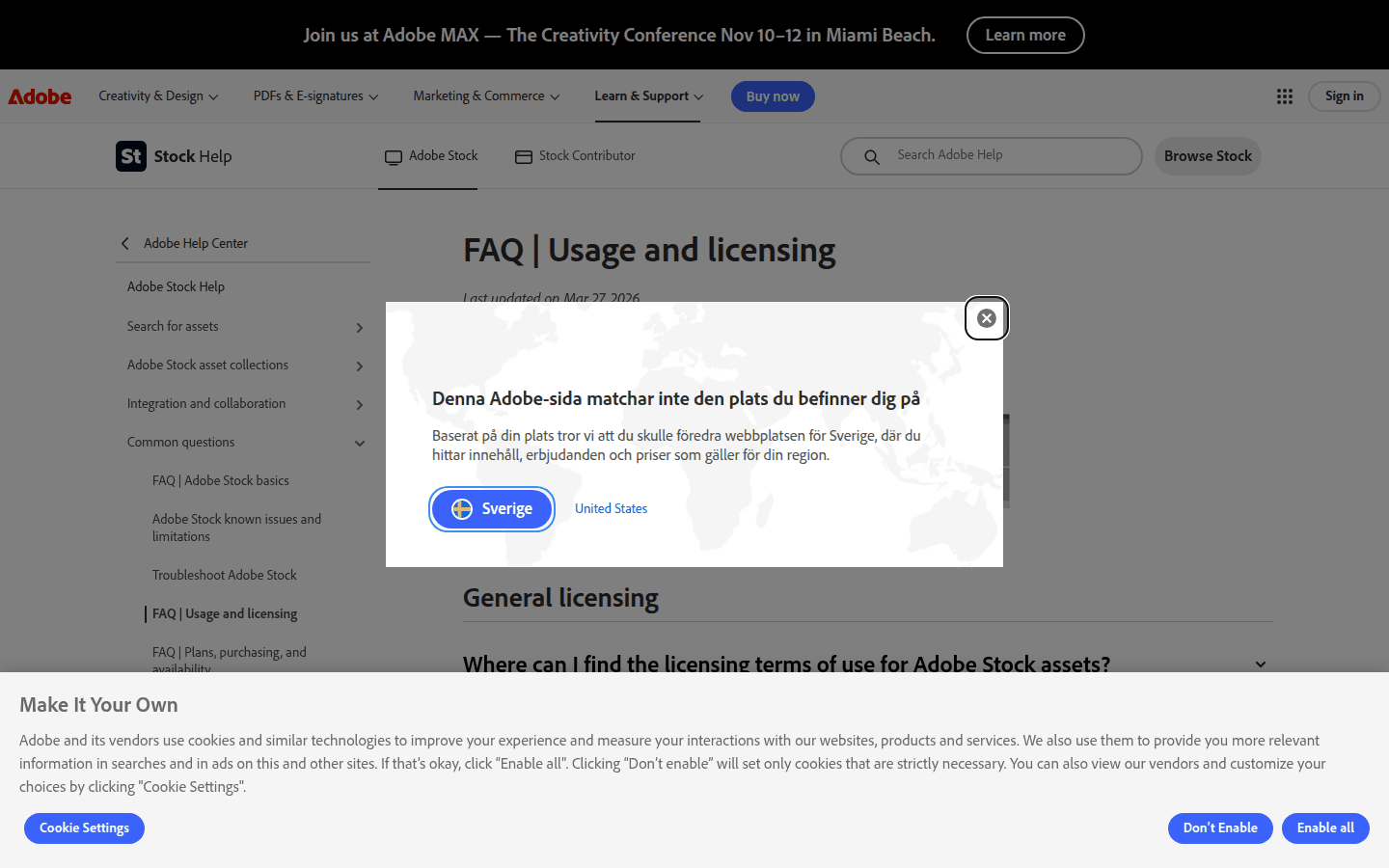
Platforms like Adobe Stock provide extensive libraries of images, videos, and templates. It’s crucial to understand their licensing terms, as not all assets are suitable for every use case. For instance, Adobe Stock clarifies that items marked “editorial use only” are excluded from commercial use. This distinction is vital for any brand intending to use assets for marketing, product packaging, or advertising. Always filter your searches by commercial use rights to ensure compliance.
Consider the visual tone and style your brand needs. Some stock platforms specialize in certain aesthetics, such as minimalist photography or vibrant illustrations. Choosing a platform that aligns with your brand’s visual identity from the outset can reduce time spent sifting through irrelevant assets and ensure consistency across your materials. For example, if your brand targets a younger demographic, you might seek out platforms known for modern, dynamic imagery. Conversely, a luxury brand might prioritize platforms offering sophisticated, high-end photography. Evaluate the cost-benefit of subscriptions versus individual asset purchases based on your projected usage volume. A monthly subscription might be more economical for high-volume content creators, while occasional users might prefer on-demand purchases.
Document Everything: From Purchase to Usage
Regardless of whether an asset is free or paid, maintaining meticulous records of its license and usage rights is non-negotiable. This practice protects your brand from legal challenges and streamlines future asset management.
Extensis recommends documenting stock licensing and retaining proof of purchase and license terms alongside the asset itself. This means saving the license agreement, any purchase receipts, and details about where and how the asset is being used. For example, if you download a free image that requires attribution, store a text file with the creator’s name and license type directly with the image file in your asset library.
A simple folder structure or a dedicated digital asset management (DAM) system can help organize this information. For each asset, record:
- The source URL or platform
- The specific license type (e.g., CC BY, Standard License)
- Any attribution requirements
- Date of acquisition
- Intended commercial use permissions
- Any model or property releases, if applicable
This documentation becomes particularly important if an asset’s license changes or if you need to demonstrate compliance during an audit. Without clear records, proving your right to use an asset can be difficult and costly. Implement a consistent naming convention for your asset files that includes key licensing information, making it easier to track and verify usage at a glance.
Verify Model and Property Releases
When sourcing images or videos featuring identifiable people or private property, model and property releases are critical. These legal documents grant permission to use a person’s likeness or property in commercial contexts.
Many stock platforms include model and property releases for their commercial-use assets. However, if you’re using open-licensed content or assets from less regulated sources, you might need to verify these releases independently. Using an image of a person without their consent for commercial purposes can lead to privacy lawsuits, even if the image itself is freely available.
Always check the asset’s metadata or accompanying information for release details. If in doubt, err on the side of caution and choose an alternative asset that clearly states it has the necessary releases, or opt for assets that do not feature identifiable individuals or private property. For example, a photo of a crowd at a public event might not require individual model releases if no one is prominently featured. However, a close-up portrait of a specific person always requires a release for commercial use. Similarly, using an image of a distinctive building or private garden for commercial purposes often necessitates a property release from the owner.
Integrate Asset Sourcing into Your Creative Workflow
Effective asset sourcing isn’t a one-time task; it’s an ongoing process that should be integrated into your overall creative workflow. By making license checks and documentation a standard part of your asset acquisition, you build a robust and compliant brand.
Consider creating a checklist for every new asset you bring into your brand’s library. This checklist might include steps such as: identify asset need, search open-licensed platforms, search stock platforms, verify license type, check for commercial use, confirm attribution requirements, download asset, save license documentation, and add to asset management system. This systematic approach ensures no critical step is missed, even when deadlines are tight. Regular audits of your asset library can also help identify any outdated licenses or assets that no longer align with your brand’s current needs or legal requirements.
By prioritizing thoughtful sourcing and diligent record-keeping, you can build a rich library of high-quality brand assets that support your visual identity without incurring unnecessary costs or legal risks. This intentionality allows your brand to maintain a professional and consistent presence, making every visual decision a confident one. Implementing these practices transforms asset sourcing from a potential liability into a strategic advantage, ensuring your brand’s visual story is always compelling and compliant.
 Logo Template
 Icon Template
 Photo Template
 Logo Template