
When brand assets become liabilities
Imagine a marketing team scrambling to launch a new campaign, only to discover three different versions of the company logo scattered across various cloud drives. One has the old tagline, another is low-resolution, and a third is missing the correct color profile. This common scenario isn’t just frustrating; it actively erodes brand consistency and wastes valuable time. Designers spend hours tracking down the definitive file, while marketing teams risk deploying outdated visuals. This friction point often signals that your current asset storage system, whether it’s a collection of shared folders or individual desktops, is no longer scalable.
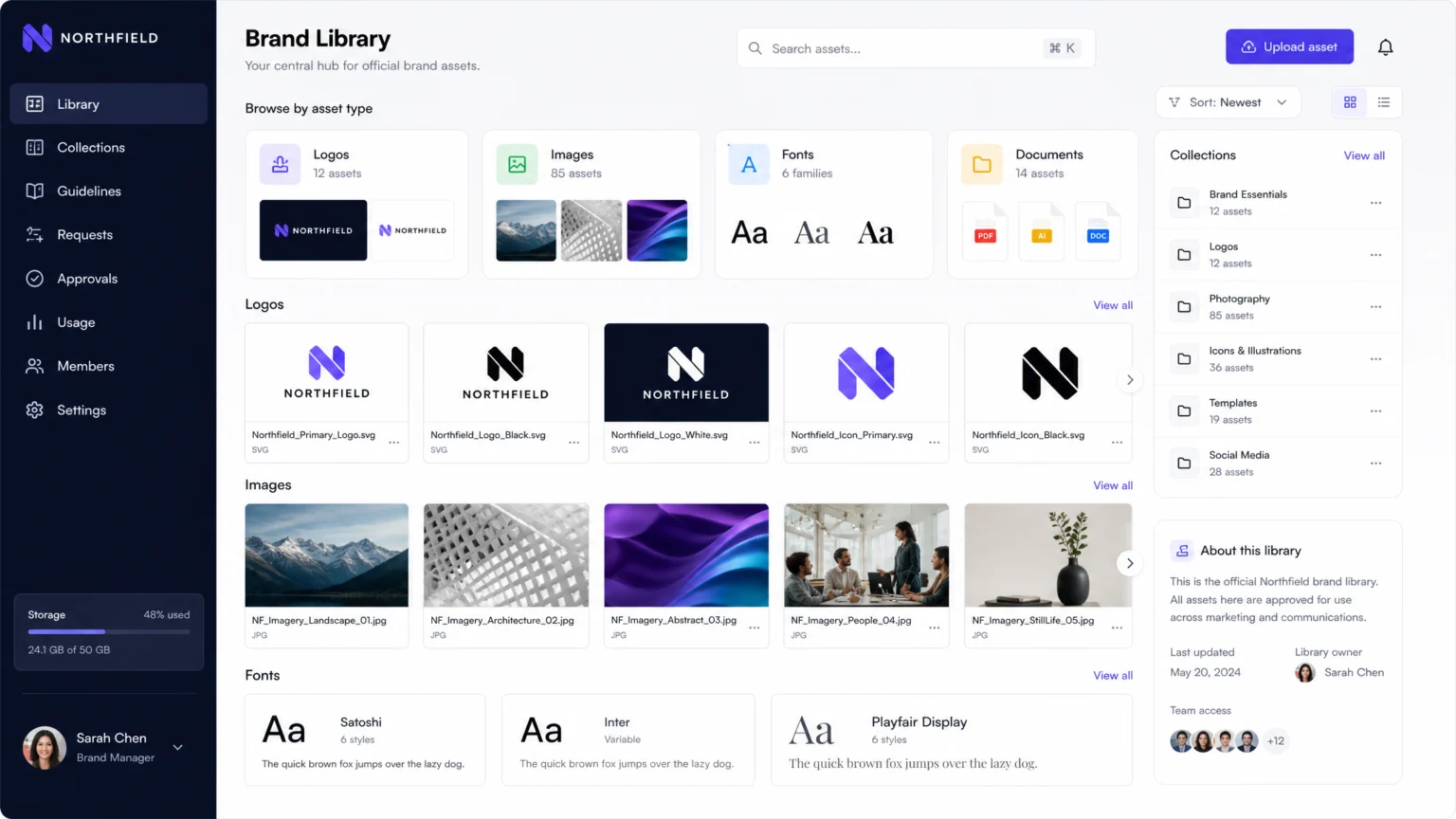
A scalable brand asset library transforms this chaos into order. It centralizes all brand elements—logos, fonts, images, videos, and collateral—into one accessible system. This isn’t merely about storage; it’s a strategic framework designed to ensure every team member can find, use, and distribute the right assets, every time. This workflow outlines five essential steps to build a brand asset library that adapts and grows with your organization, ensuring brand integrity and operational efficiency.
1. Consolidate Assets into a Single Repository
The foundational step for any scalable brand asset library is to gather all your brand elements into one dedicated repository. This central location serves as the undisputed source of truth for every approved brand asset. Without this consolidation, assets inevitably scatter across various platforms, leading to persistent version control issues and significant time wasted searching for files.
Consider the inefficiencies of a fragmented system: a designer might pull a logo from a local desktop, a marketing specialist finds an image in a shared cloud drive, and a content creator retrieves a video from an old project folder. Each action risks using an incorrect or outdated asset. A unified platform eliminates this confusion, ensuring everyone accesses the same, up-to-date collection. This approach guarantees consistency and streamlines workflows.
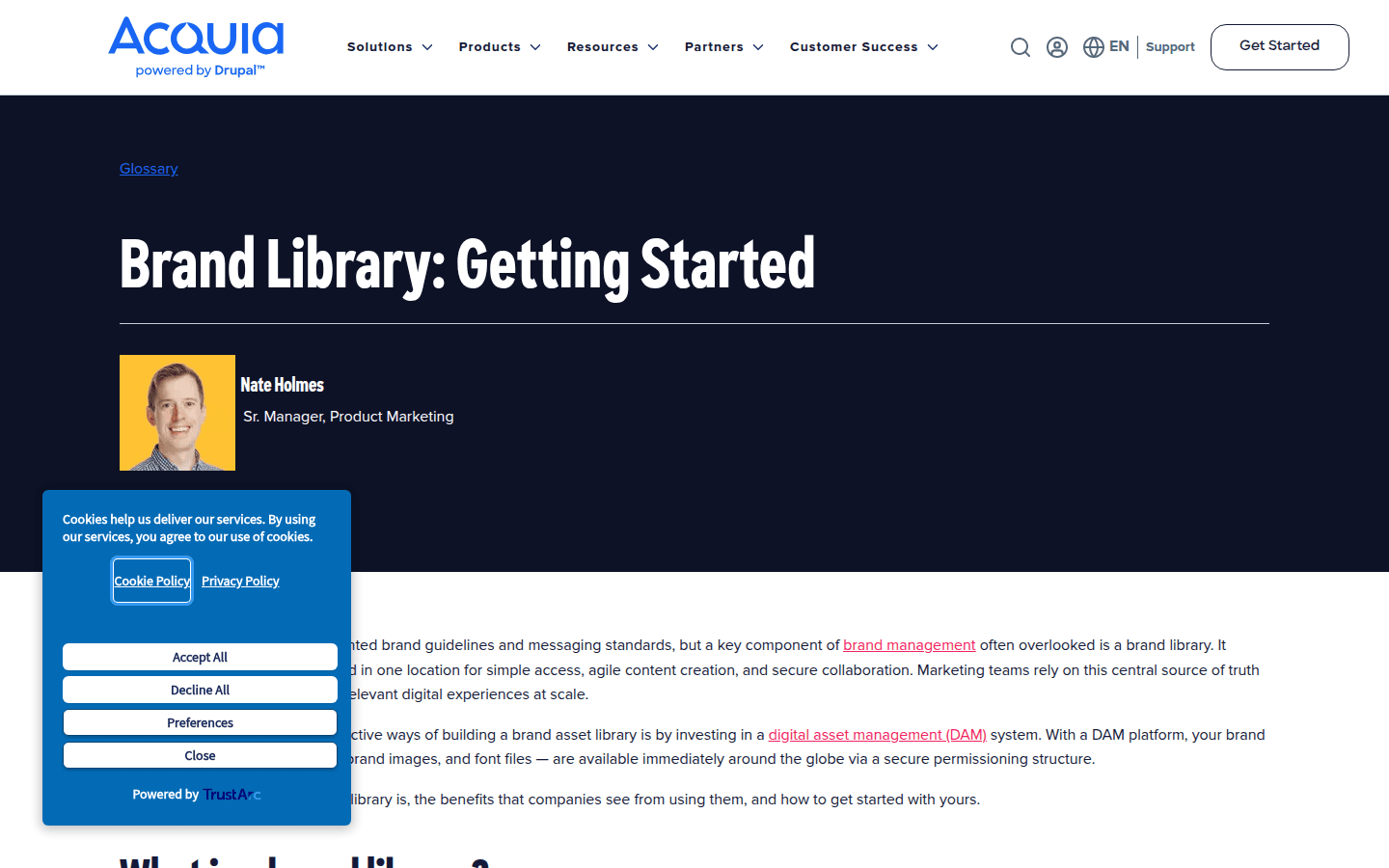
For example, if your team currently stores logos in Dropbox, images in Google Drive, and videos on Vimeo, the immediate priority is to migrate all these into one cohesive system. This could involve implementing a Digital Asset Management (DAM) system or configuring a robust cloud storage solution specifically for brand assets. The overarching goal is to establish one definitive home for every brand element, making it easy to manage and access. Acquia’s glossary highlights the role of a brand library as a central hub for assets, emphasizing its importance in maintaining brand consistency.
2. Implement Consistent Naming Conventions
Once your assets are centralized, establishing clear and consistent naming conventions becomes paramount. This practice is critical for both searchability and overall workflow efficiency. File names should be both human-readable and machine-friendly, meticulously avoiding spaces or special characters that can break links or cause compatibility issues across diverse systems.
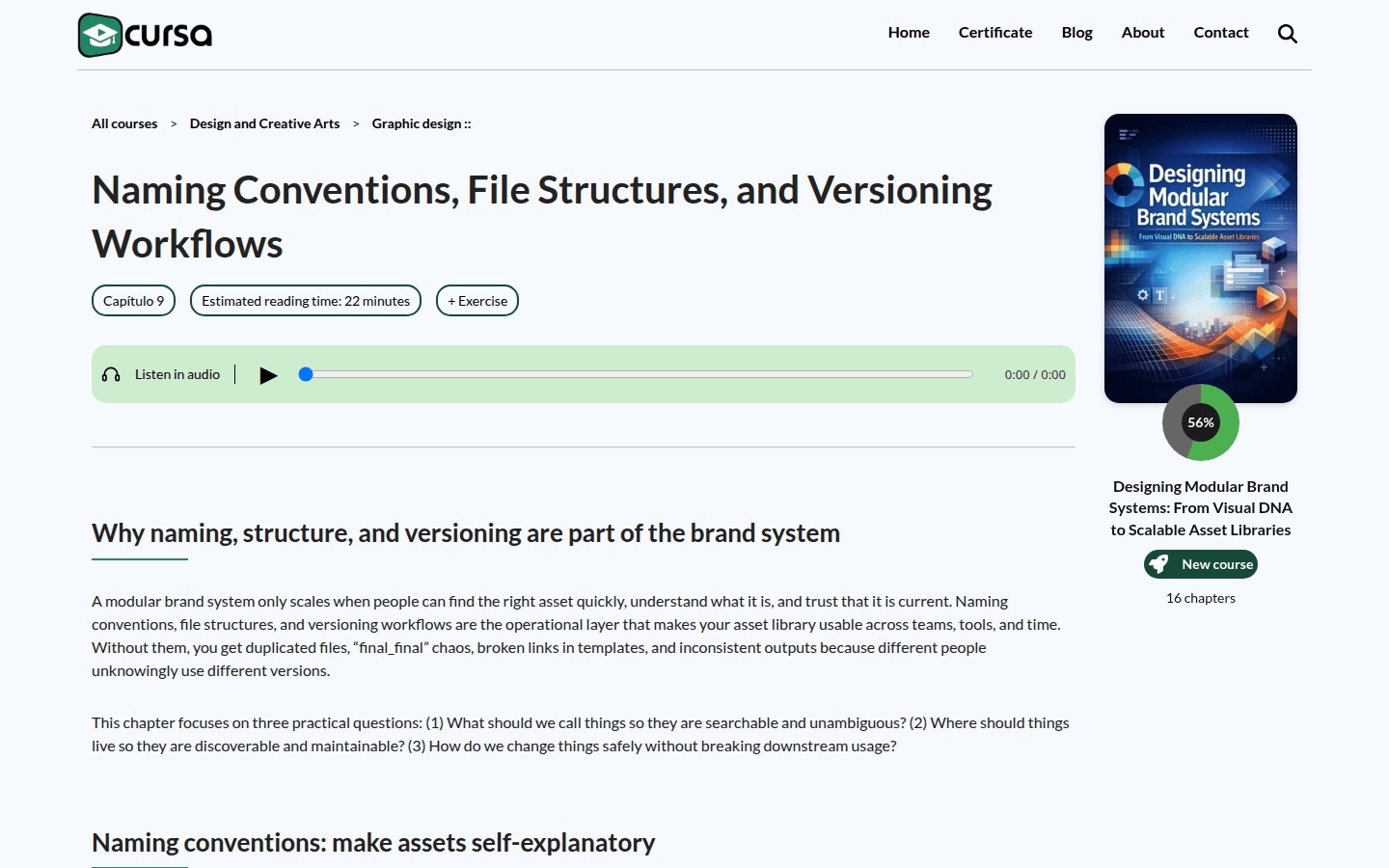
An effective naming convention provides immediate context about the asset. Instead of a vague filename like logo_final.png, a more descriptive name might be brand-logo-primary-horizontal-rgb-v2.png. This instantly communicates that it’s the primary brand logo, in a horizontal layout, designed for RGB color spaces, and it’s version two. The core principle is to keep file names concise, stable, and search-first, embedding essential details without making them unwieldy. Cursa’s guide illustrates how to structure filenames for clarity and searchability, offering practical examples.
Conversely, avoid embedding complex details such as licensing information or expiration dates directly into the filename. These dynamic attributes are best managed within metadata, which can be updated independently without requiring a file rename. Consistent naming conventions significantly enhance searchability and workflow efficiency, empowering team members to quickly identify and retrieve the correct asset.
3. Structure Assets with Metadata Fields
Metadata forms the intelligent backbone of any searchable and scalable brand asset library. While naming conventions offer basic identification, metadata fields enable rich, detailed categorization and sophisticated filtering. This includes crucial information such as asset type, creation date, usage rights, expiration dates, target audience, and approval status, transforming a simple collection of files into an intelligent, organized system.
For example, an image of a product might feature metadata tags for product_name, season, campaign_year, photographer, and usage_restrictions. This granular detail allows a user to precisely search for all product images from the “Summer 2026” campaign that are approved for social media, even if the filename doesn’t explicitly state all those attributes. Metadata is designed to manage complex, dynamic details, providing a flexible way to update asset attributes over time.
When configuring your metadata schema, prioritize information your team most frequently needs to know about an asset. Focus on fields that enable efficient searching and ensure compliance with usage policies. Asset libraries provide structured metadata and governance for brand assets, making them far more powerful than simple file storage. Frontify’s guide emphasizes the role of structured metadata in organizing assets, detailing its impact on discoverability.
4. Integrate Brand Guidelines Directly with Assets
A brand asset library reaches its full potential when seamlessly integrated with its corresponding brand guidelines. These guidelines provide the essential rules for correct asset usage, ensuring unwavering consistency across all brand touchpoints. Ideally, brand guidelines should reside alongside the assets they govern, or be tightly linked, allowing users to understand usage rules precisely at the point of access.
Consider a logo with specific clear space requirements, color variations for different backgrounds, or minimum size restrictions. These critical rules should be easily accessible directly from the logo file itself. This proactive integration prevents misapplication and rigorously maintains brand integrity. Integrating guidelines directly into the asset library means that metadata, workflows, and access controls can automatically apply these rules at the moment of use.
This integration can manifest in several forms: linking to a dedicated brand guidelines portal, embedding usage notes within asset metadata, or even leveraging a Digital Asset Management (DAM) system that automatically flags incorrect usage based on predefined rules. Brand asset management systems streamline asset sharing and control, and integrating guidelines is a fundamental component of that control. Bynder’s glossary stresses the importance of integrating brand guidelines with asset management, highlighting how it reinforces brand consistency.
5. Establish Clear Access and Governance Rules
The final, crucial step is to meticulously define who can access, edit, and approve assets within the library. Scalability extends beyond merely handling more files; it encompasses managing an increasing number of users and diverse roles. Robust governance ensures that only approved, current versions of assets are used, thereby safeguarding brand consistency and ensuring legal compliance.
Envision a scenario where an intern requires access to social media templates but not high-resolution print files, or a legal team needs to review all images before public release. Role-based access controls are essential, allowing you to grant specific permissions tailored to different user groups. This prevents unauthorized modifications and guarantees that everyone sees and uses the latest approved version of an asset, minimizing errors and maintaining brand integrity.
Governance also includes establishing a clear approval workflow for new assets or updates. When a new campaign image is created, it should follow a defined review process before being published to the main library. This structured approach ensures that brand guidelines are consistently upheld and that the library remains a reliable source of truth. By setting clear access and governance rules, your brand asset library evolves into a secure, efficient, and truly scalable resource for your growing team, supporting consistent brand expression across all channels.
A well-structured brand asset library is a visible decision that impacts every visual output. By centralizing, naming, tagging, linking, and governing your assets, you build a system that supports consistent brand expression, even as your team and projects expand. This proactive approach ensures that your brand remains cohesive and impactful, regardless of organizational growth or campaign complexity.
 Icon Template
 Photo Template
 Photo Template
 Logo Template