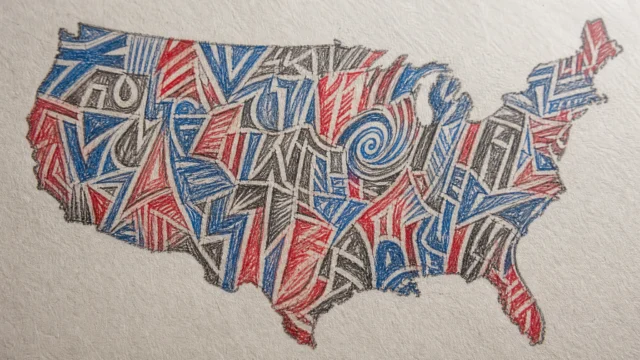

When a brand’s visual identity feels off-key, the impact is immediate and often subtle. Perhaps a new campaign image, generated with the promise of efficiency, subtly misses the established tone, or a refreshed logo variant feels disconnected from the brand’s heritage. These missteps, even minor ones, erode trust and dilute the carefully cultivated brand memory. The challenge isn’t just generating assets faster; it’s ensuring that every AI-assisted output resonates with the established brand memory, avoiding generic results that dilute identity.
Consider a brand with a strong, handcrafted aesthetic. Simply feeding a logo into an AI generator might produce a sleek, modern interpretation that misses the original’s organic textures and subtle imperfections. What matters is to guide the AI with explicit, structured information about what makes the brand authentic, rather than expecting it to infer these nuances from limited visual cues. This requires a deliberate workflow that bridges human creativity with machine capabilities, ensuring that AI becomes an extension of your creative vision, not a replacement for it.
Establish a Robust Brand Audit and Documentation Process
Before introducing any AI tool, begin by thoroughly auditing your existing brand assets and guidelines. This foundational step involves reviewing everything from your official brand book to approved logos, color palettes, typography, and even archived feedback on past design projects. The goal is to capture the complete picture of your brand’s visual and verbal identity, including any unwritten rules or preferences that have evolved over time. This comprehensive review creates a rich dataset for informing AI tools, ensuring they learn from a complete and accurate representation of your brand.
This audit should extend beyond static elements. Look for examples of how the brand expresses itself in different contexts, noting successful applications and common pitfalls. For instance, if your brand consistently uses a specific tone of voice in marketing copy, document examples of that voice. If certain color combinations are intentionally avoided, make a note of those exclusions. This detailed documentation serves as the bedrock for translating your brand’s essence into a format AI can understand and apply consistently. Consider how a brand’s personality, often conveyed through subtle visual cues, can be explicitly defined. For example, a brand aiming for ‘approachable sophistication’ might specify rounded corners, a warm color palette, and a sans-serif typeface with a friendly character, alongside imagery featuring diverse, smiling individuals in natural settings. Documenting these nuanced preferences provides AI with a clearer understanding of the desired output.
Translate Brand Identity into Machine-Readable Guidance
AI tools operate best with structured, explicit instructions. To maintain authenticity, translate your brand’s identity into machine-readable guidance that goes beyond basic hex codes and font names. This involves articulating the ‘why’ behind your design choices and providing clear rules for usage. For example, instead of just listing a brand color, specify its emotional association and appropriate contexts. This deeper layer of information helps AI understand the intent behind the visual elements.
Guidance for AI should include explicit values and usage rules for colors and fonts, alongside composition and decision logic. This means defining not just the brand’s primary typeface, but also its hierarchy, pairing rules, and when to use bold versus light weights. For imagery, describe preferred subject matter, lighting, and composition styles. WordStream suggests including voice attributes, do-this-not-that examples, audience descriptions, and a review cadence to ensure AI understands the brand’s nuances. This level of detail prevents AI from making assumptions that could lead to off-brand outputs. For instance, if a brand’s imagery guidelines specify ‘natural light, candid moments, and diverse representation,’ the AI should be trained with examples that embody these qualities, rather than generating highly stylized or homogenous images. This explicit instruction set minimizes misinterpretations and ensures visual consistency across all AI-generated assets.
Structure Brand Memory for AI Continuity
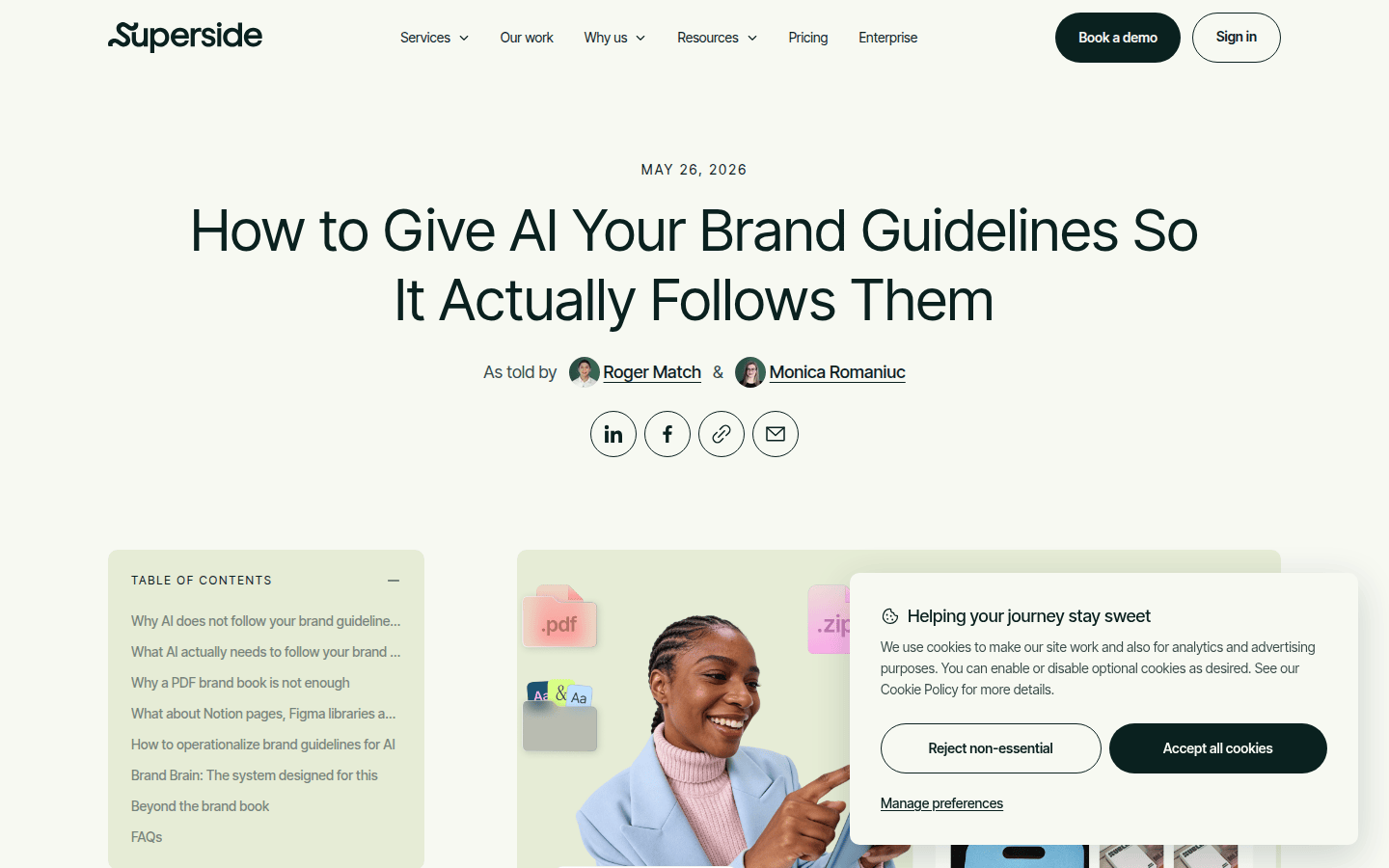
For AI to consistently produce on-brand results, a structured brand memory is essential. This memory should connect every stage of your workflow: briefing, generation, quality assurance, and approval. The aim is to create a continuous feedback loop where AI learns from past interactions and outputs remain aligned with the brand’s evolving identity. Superside emphasizes this workflow continuity, ensuring AI outputs are always tethered to established brand principles. Without this structured memory, AI can easily drift, producing inconsistent or generic results.
Implement a system where AI-generated content is tagged and categorized according to brand guidelines. This allows for easy retrieval and analysis, helping to identify patterns in successful outputs and areas where the AI might be deviating. For instance, if an AI tool consistently generates images that are too vibrant for a subdued brand, the structured memory should flag this for human review and adjustment of the AI’s parameters. This iterative refinement process is crucial for long-term brand consistency. A robust brand memory system might involve a centralized digital asset management (DAM) platform where all approved brand assets, AI-generated or human-created, are stored with rich metadata. This metadata would include not only basic descriptors but also tags indicating adherence to specific brand guidelines, performance metrics, and feedback from review cycles. This creates a living repository that continuously informs and refines the AI’s understanding of the brand, preventing drift and ensuring that new outputs build upon established successes.
Leverage Do and Don’t Examples with Approval Checkpoints
One of the most effective ways to guide AI and prevent off-brand outputs is through explicit ‘do and don’t’ examples. These visual and textual cues provide concrete illustrations of acceptable and unacceptable applications of your brand identity. For instance, show an example of correct logo placement alongside an incorrect one, explaining why the latter fails to meet brand standards. This visual contrast helps AI understand the boundaries of your brand’s aesthetic, reducing the likelihood of errors.
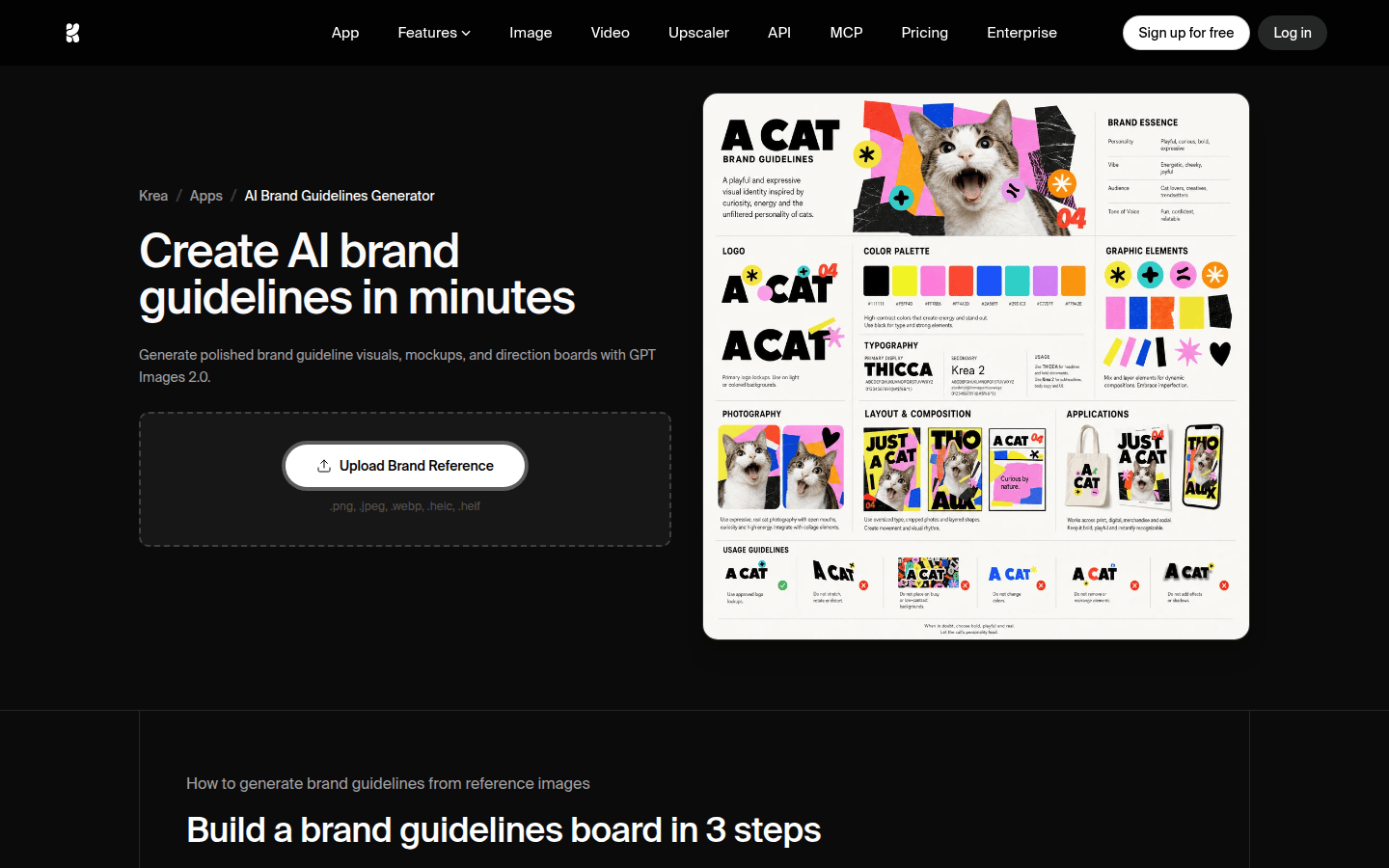
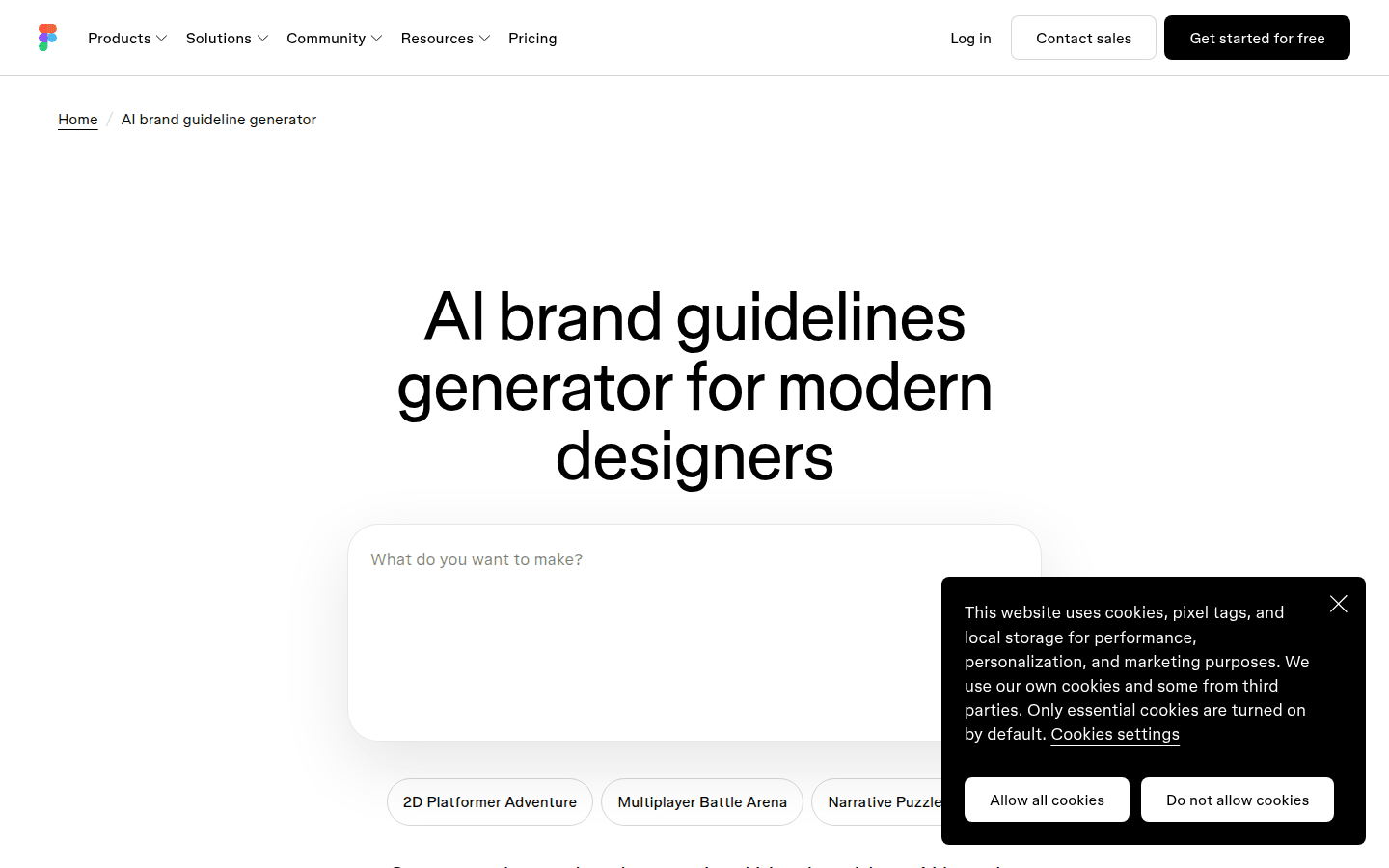
Integrate approval checkpoints throughout your AI-assisted workflow. This human oversight ensures that every AI-generated asset undergoes critical review before publication. Tools like Krea’s AI brand guidelines generator can convert visual inputs into comprehensive style guides, but human designers must still validate these outputs against the brand’s core identity. Similarly, Figma’s AI brand guidelines generator provides clear rules for color, type, layout, imagery, and voice, but human judgment remains crucial for final approval. These checkpoints are not bottlenecks but essential quality gates. For example, a ‘do’ example for typography might show the brand’s headline font used at a specific size and leading, while a ‘don’t’ example shows it stretched or in an unapproved color. For imagery, a ‘do’ might be a product shot with clean, consistent lighting, while a ‘don’t’ shows a poorly lit, cluttered image. These clear visual distinctions provide unambiguous feedback to the AI and serve as quick reference points for human reviewers, streamlining the approval process while maintaining strict brand adherence.
Implement Continuous Human Oversight and Refinement
The final step in integrating AI tools authentically is continuous human review and refinement. AI is a powerful assistant, but it cannot replace the nuanced understanding and creative judgment of a human designer. Regularly evaluate AI outputs against your brand guidelines and gather feedback from stakeholders. This ongoing process helps fine-tune the AI’s understanding of your brand and ensures that its contributions enhance, rather than detract from, authenticity. This iterative approach allows for adaptation and growth, keeping the brand identity fresh while remaining true to its core.
For example, if an AI generates several logo variations, a human designer can select the one that best captures the brand’s essence, making minor adjustments to ensure perfect alignment. This iterative process of AI generation and human curation allows brands to leverage AI for speed and scale while preserving the unique character that only human creativity can impart. The Creative Lever’s framework emphasizes these machine-readable requirements, but the final decision rests with human expertise. This partnership between human and AI is where true efficiency and authenticity converge. Consider setting up a dedicated ‘AI review board’ or a regular design critique session specifically for AI-generated assets. This forum allows designers, brand managers, and even marketing teams to provide structured feedback, identifying areas where the AI excels and where it still needs guidance. This collaborative approach ensures that the AI’s learning is informed by diverse perspectives, leading to more robust and authentic outputs over time. The goal is not just to correct errors but to continuously elevate the AI’s creative capacity within the brand’s established framework.
To test if your AI integration is successful, take a newly generated asset and place it next to a flagship, human-designed asset. If the AI-generated piece feels like a natural extension of the brand, rather than an outlier, your structured guidance and human oversight are working. This visual gut check is often the most telling indicator of successful integration. If it feels off, revisit your guidelines and AI training. The goal is seamless integration, where the AI’s contributions are indistinguishable from human-crafted elements, all while maintaining the brand’s unique voice and visual language. This continuous evaluation ensures that the AI remains a valuable partner in maintaining and evolving your brand’s authentic identity, rather than a tool that risks diluting it.
Choosing the Right AI Tools for Brand Identity Tasks
The market for AI design tools is rapidly expanding, offering specialized solutions for various aspects of brand identity. Selecting the right tools is crucial for effective integration. Consider tools that offer robust customization options and allow for the import of detailed brand guidelines. For instance, some AI platforms excel at generating variations of existing logos while adhering to specific stylistic constraints, while others are better suited for creating imagery that matches a particular mood or aesthetic. Evaluate tools based on their ability to interpret and apply your machine-readable guidance, rather than just their raw generative power.
When assessing potential AI tools, look for features that support your established workflow. Does the tool integrate with your existing digital asset management system? Can it export files in formats compatible with your design software? Does it offer collaborative features that facilitate human oversight and feedback? Prioritize tools that act as extensions of your creative team, enhancing efficiency without compromising control. A tool that requires extensive manual correction after every generation might not be saving you time in the long run. For example, an AI tool that can generate social media graphics based on a template, automatically applying brand colors, fonts, and approved imagery, would be highly efficient. Conversely, a tool that generates abstract art when you need product photography, despite clear instructions, would be a poor fit. what matters is to match the AI’s capabilities with your specific brand identity tasks and workflow needs.
Measuring Success and Adapting Your AI Strategy
Integrating AI into brand identity design is an ongoing process that requires continuous measurement and adaptation. Establish clear metrics for success beyond just speed of generation. These might include brand consistency scores, stakeholder satisfaction with AI-generated assets, or the reduction in off-brand outputs requiring revision. Regularly review these metrics to understand the impact of your AI strategy and identify areas for improvement. This data-driven approach allows you to refine your guidelines, retrain your AI models, and adjust your human oversight processes as needed.
Adaptability is key in the evolving landscape of AI. As new AI capabilities emerge, reassess how they can be integrated into your brand identity workflow without sacrificing authenticity. This might involve experimenting with new generative models for specific tasks or updating your machine-readable guidance to leverage advanced AI features. Maintain an open dialogue between your design team, brand managers, and AI specialists to ensure that your strategy remains agile and effective. For instance, if an AI tool consistently produces imagery that is technically correct but lacks emotional resonance, it might indicate a need to refine the ’emotional association’ parameters in your brand guidelines or to increase human intervention at the concepting stage. Conversely, if the AI consistently nails routine tasks like resizing logos for different platforms, you can confidently delegate more of those tasks, freeing up human designers for more complex creative challenges. This iterative process of measurement, feedback, and adaptation ensures that your AI integration remains aligned with your brand’s strategic goals and creative vision.
 Photo Template
 Icon Template
 Logo Template
 Logo Template