The sharpest choice here is a limit, not a feature. Moises is building music AI around tools that assist practice, performance, and creation while leaving artistic decisions with the musician, and that boundary gives the whole product a different stance.
That stance carries extra weight now that the company has launched an Artist Partnerships program with Armin van Buuren and Laidback Luke as its first members. Their role is practical. They are set to help shape DJ- and producer-focused workflows and features, while also contributing to conversations about the future of music technology and responsible AI.
Boundaries that shape the product
Many AI products sell speed first. Moises draws a narrower line. Instead of presenting AI as a prompt box for finished songs, it describes its creative suite as a set of tools that helps musicians practice, perform, and create.
That distinction changes the relationship between artist and software. A tool that supports the maker preserves authorship, judgment, and revision. In interface terms, the system serves the hand instead of replacing it.
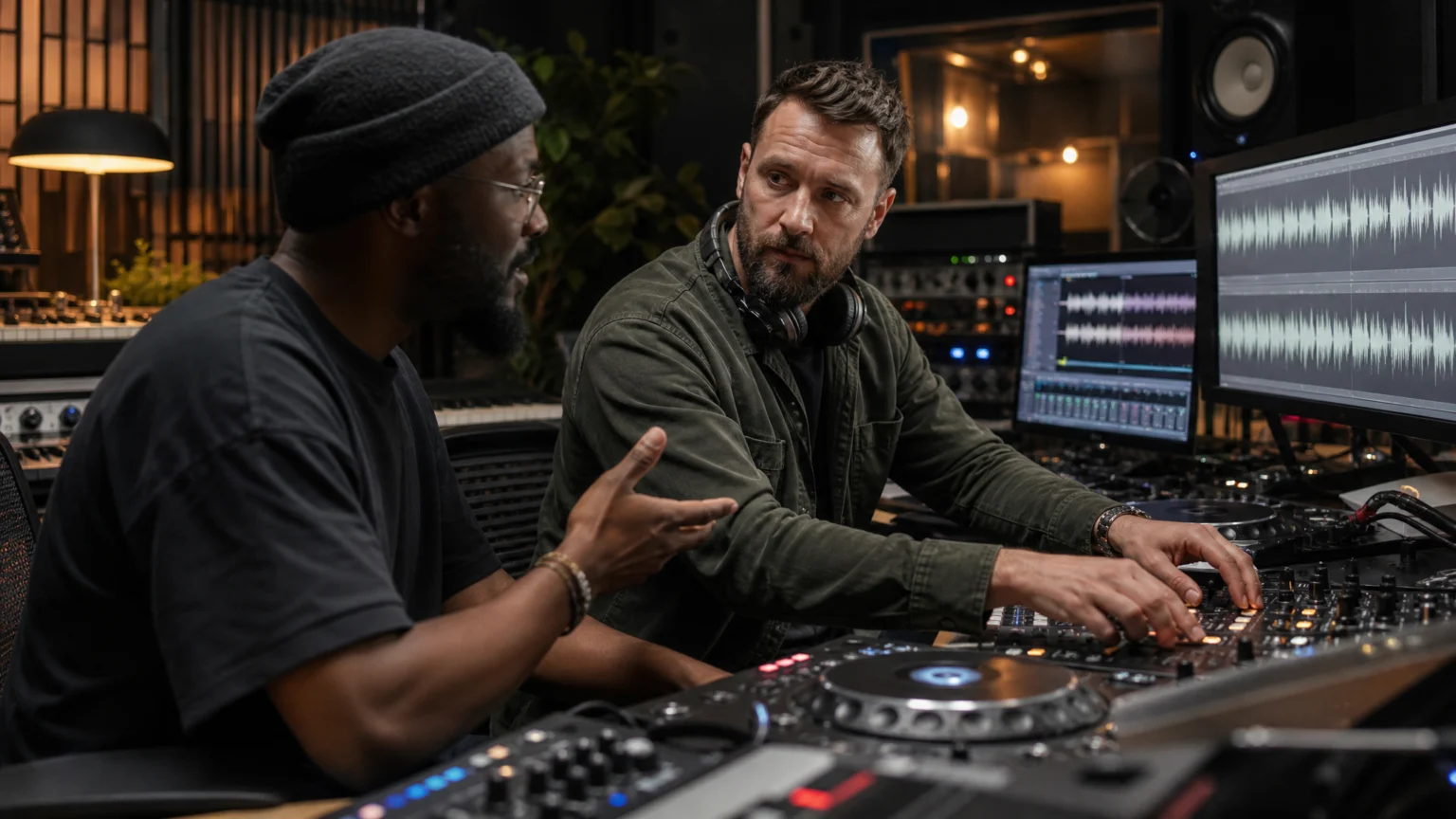
This is where artist involvement matters most. When working DJs and producers shape features, the product is more likely to respect the small decisions that make creative work feel personal rather than automated.
Where the workflow should bend
Armin van Buuren and Laidback Luke joining the Artist Partnerships program signals a grounded kind of ambition. Moises is not adding recognizable names for display. It is bringing in people whose daily work depends on usable audio tools, reliable control, and efficient creative flow.
That usually leads to better product questions. Where should software save time, and where should it slow down? Which tasks deserve automation, and which ones should stay clearly in human hands?
For DJs and producers, those pressure points are often specific. File preparation, sound isolation, recording cleanup, and iterative production tasks benefit from assistance because they remove friction without flattening style. The result is less spectacle and more craft.
Licensed training data builds trust from inside
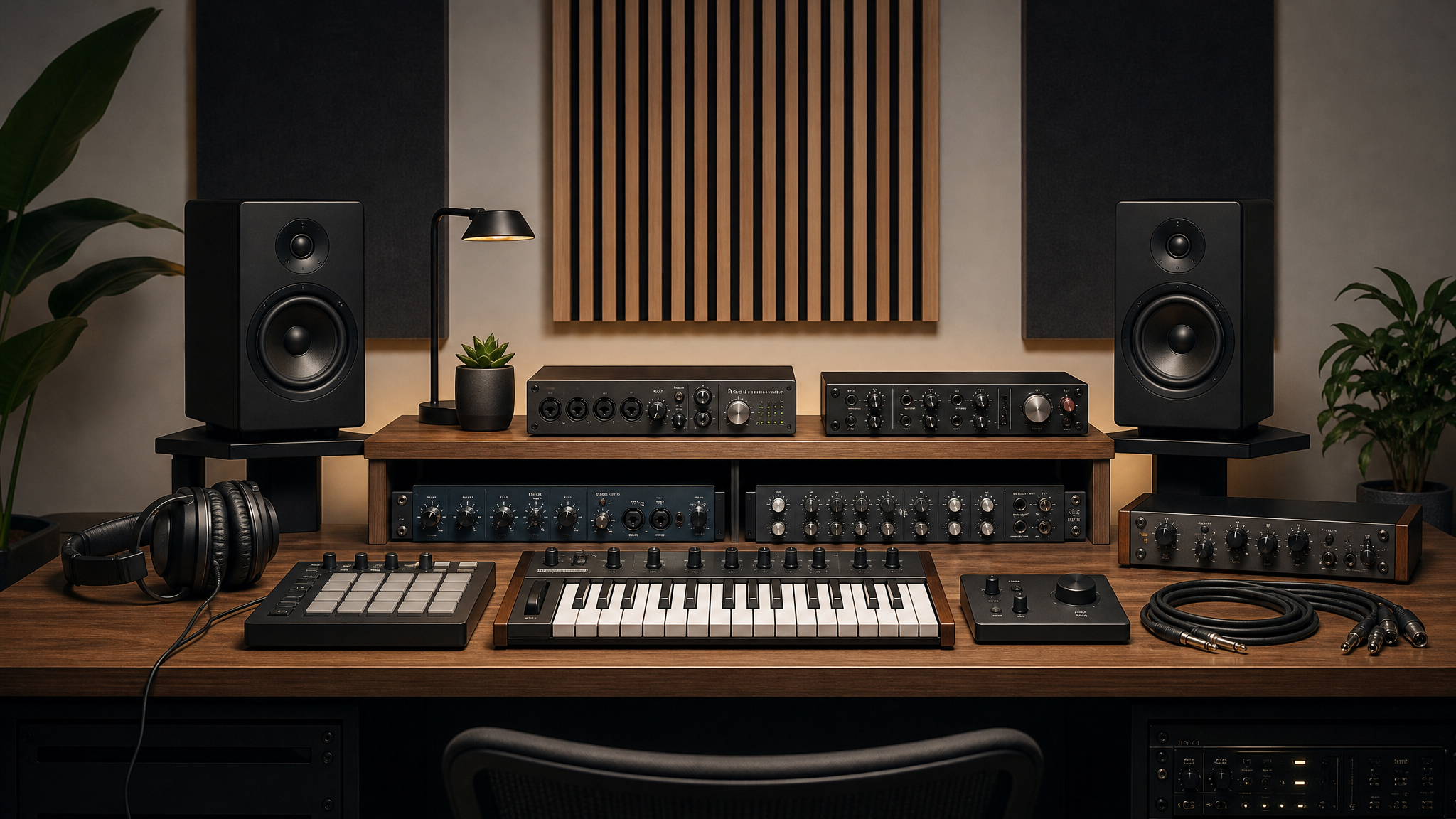
Responsible AI is often framed as a policy layer outside the product. In practice, it shapes the product from within. Moises says it trains its AI models only on licensed and authorized content, and that decision affects trust as much as any visible feature.
Designers know that trust comes from appearance and structure. A calm dashboard can look careful while the system underneath stays hard to read. Here, the training boundary gives the platform a clearer foundation. Musicians can understand the direction of the company’s choices, not just the polish on top.
That makes the brand easier to read. It says the company wants AI to function as an instrument panel, not a replacement performer.
The most persuasive creative AI products do not promise less labor. They make clearer decisions about whose work stays visible.
Scale works when the system stays legible
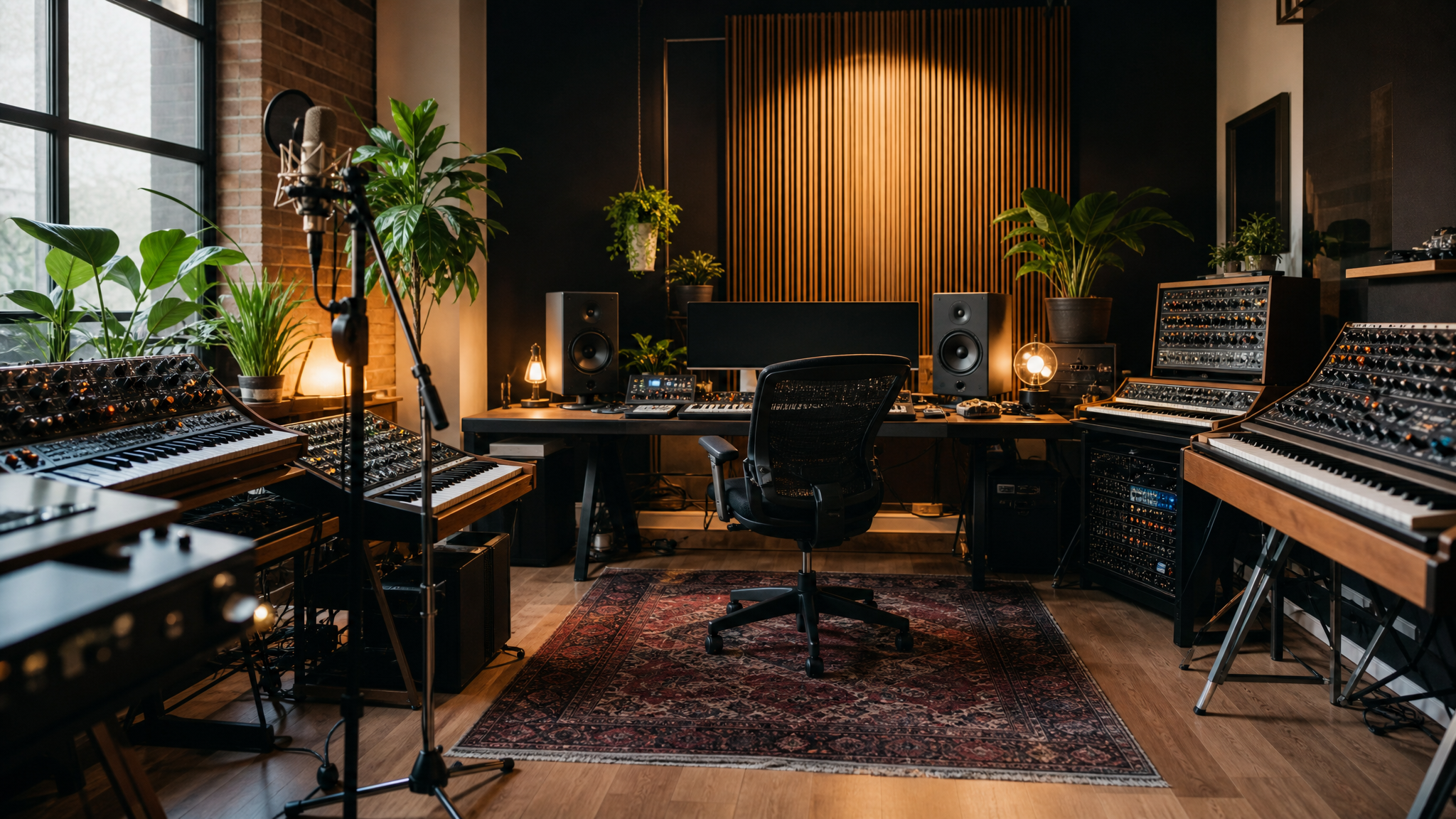
Moises has the footprint to matter. The platform is used by 80 million musicians worldwide, runs on more than 50 proprietary AI models, and processes nearly six years’ worth of audio every day.
Those numbers matter because of what they support. The platform includes stem separation, songwriting and production tools, audio enhancement, and performance recording. It is a broad suite, but the logic stays readable: isolate, improve, capture, and assist.
Scale without clarity can make a product story noisy. Scale with a clear point of view gives users confidence that the system can handle complexity without hiding intention.
Partnerships show where the tool belongs
Recent partnerships place Moises inside the music-production toolchain rather than at its edge. Fender selected Moises as the first AI technology partner for Studio Pro DAW, and Ableton chose Moises’ stem-separation technology for Ableton Live.
These relationships help explain where the product fits. Instead of asking musicians to leave familiar environments, Moises becomes useful within workflows they already trust. That tends to produce better adoption than a tool that tries to become the entire studio at once.
There is a useful parallel with brand systems. Sound does more brand work when it lives in the system, and AI tools do more creative work when they integrate into real practice instead of acting like a separate performance.
Control remains the strongest feature
The most durable idea here is simple: assistance is not the same as substitution. Moises is building around that distinction in its product framing, its artist partnerships, and its data policy.
That principle should sound familiar in design. AI becomes more useful when it lowers friction without flattening judgment. We have seen the same pattern in visual work, where retaining creative control in AI logo design leads to better outcomes because the system supports selection, editing, and refinement rather than pretending taste can be automated.
For teams shaping creative software, the lesson is practical. Put the machine where repetition lives. Keep the signature with the person.
That is also why motion and audio tools often benefit from restraint. If you are presenting a music-led brand or artist identity, subtle movement can support the work without overwhelming it, much like animated logos for social media or a concise logo reveal animation can add presence while keeping the original mark intact.
Moises is making the same case in software form. The tool can be powerful, the system can be large, and the AI can be advanced. The artist still stays in the chair.
 Logo Template
 Icon Template
 Logo Template
 Icon Template