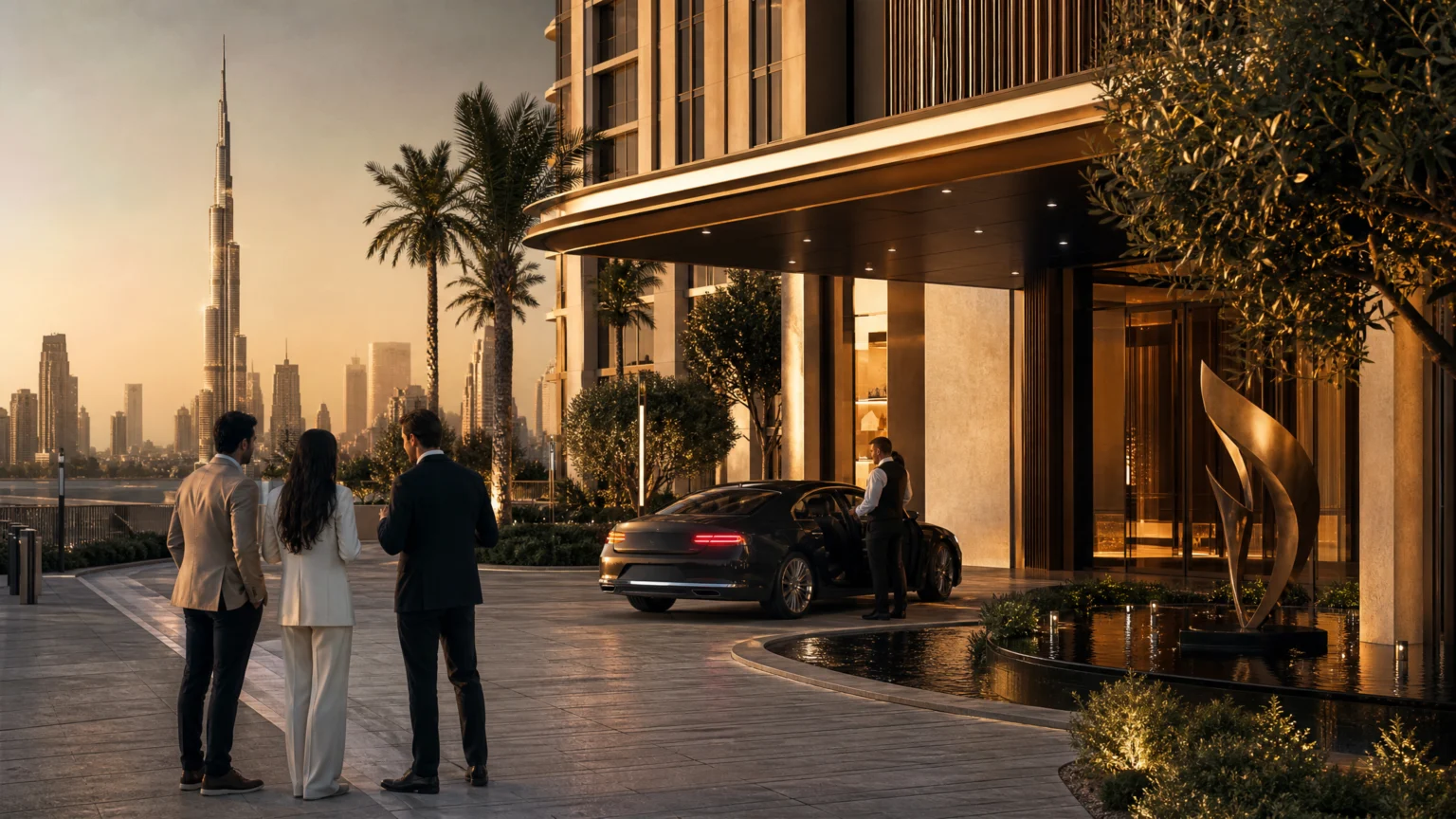
A luxury name starts to thin out when it behaves like ornament. In Dubai’s branded residences market, buyers are no longer reading a famous label as automatic proof of value. They are looking harder at scarcity, control, and the substance behind the badge.
That shift matters beyond real estate. It sharpens a familiar design lesson: brand value does not come from placement alone. It holds when people can see a clear relationship between the name, the experience, and the standards shaping both.
Selective buyers are changing the read
Dubai’s branded residences market has moved away from a phase where almost any branded offer could sell on name recognition alone. Buyers are now more selective, and that selectiveness centers on long-term brand value.
In practical terms, the market is asking better questions. A recognizable brand still attracts attention, but attention is no longer the same as confidence. Buyers are scrutinising which names protect their exclusivity and which ones have stretched themselves thin through licensing.
Control gives the name its edge
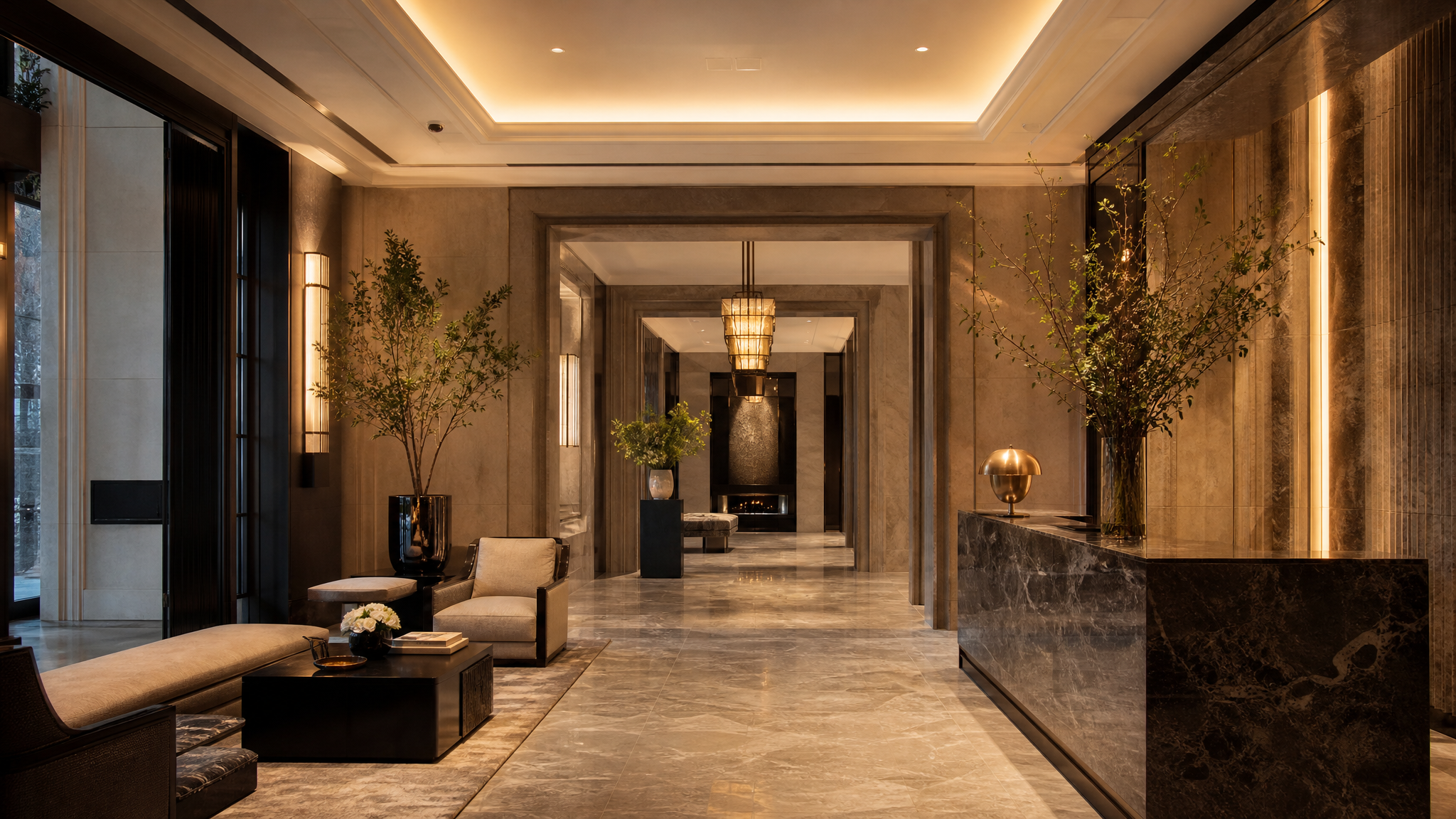
The sharpest distinction in the market is between globally recognised brands that keep tight control and brands whose broad licensing arrangements dilute value and exclusivity. That difference is easy to miss when branding is treated as surface treatment. It becomes much clearer when a buyer asks who shaped the full experience.
Scarcity works because it is managed, not because it is announced. Tight control affects the feel of the place, expectations around service, and the consistency of the final result. When control slips, the name may still be present, but the meaning starts to drift.
The same tension appears in other brand systems. When a scheme family changes its name, citizens have to relearn the map shows how structure and clarity shape trust over time. The lesson carries here too: architecture, naming, operations, and visual identity all need to point in the same direction.
A logo cannot stand in for operations
One of the most useful distinctions in this market is the difference between a branded development with real operational involvement and one built around a licensing arrangement with little substance behind it. Buyers are resisting projects where the brand association amounts to name application without meaningful operational participation.
That resistance is healthy. It separates branding as endorsement from branding as lived system. In non-hotel developments especially, some projects have lacked dedicated hospitality management or rental programmes, and that absence changes how credible the brand promise feels.
For designers, this is a reminder that identity works best when it reveals a structure that already exists. A mark, palette, or type choice can cue quality, but it cannot replace management, service design, or governance. When the back-end is weak, the front-end eventually shows the strain.
New entrants widen the luxury mix
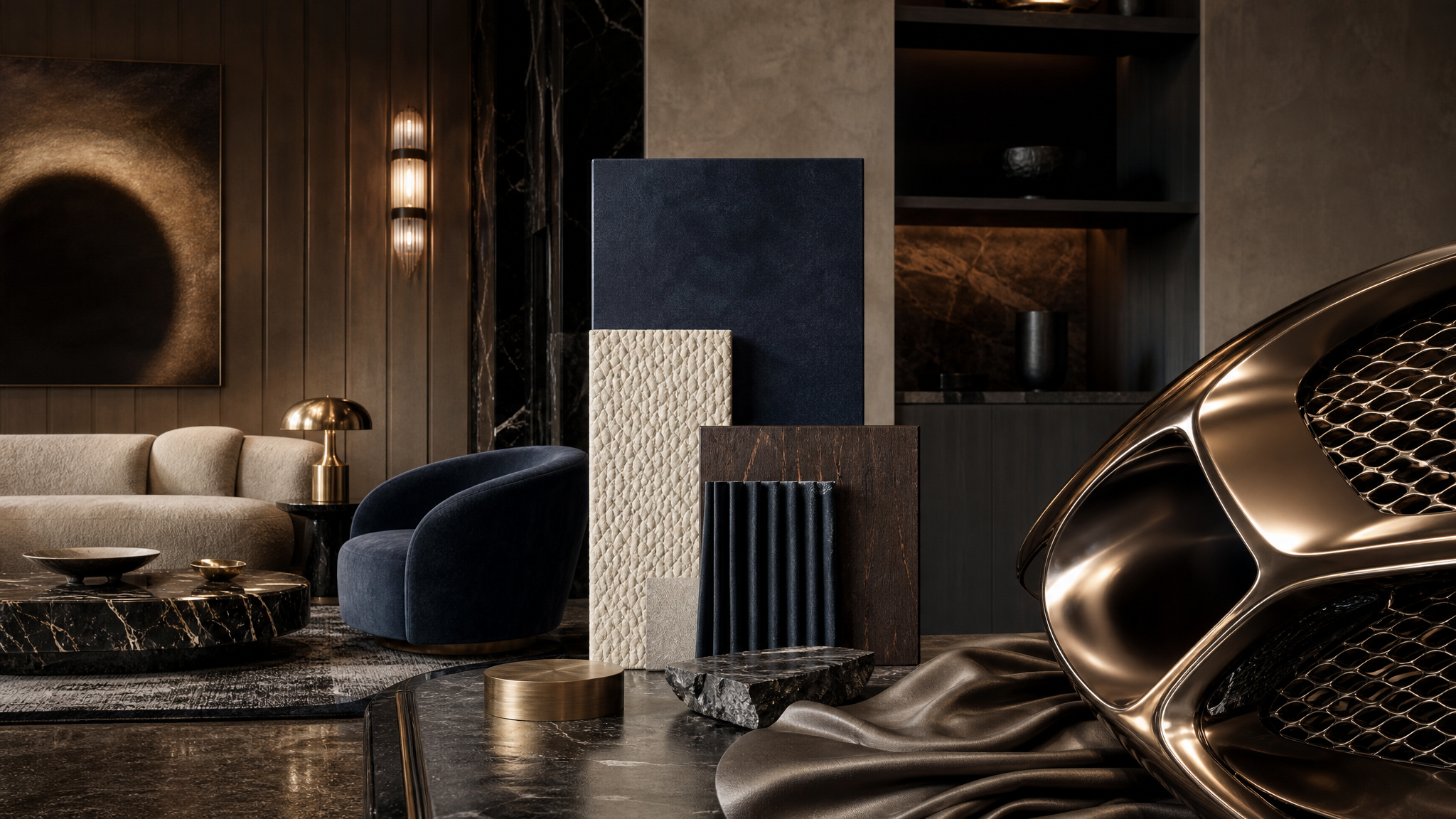
Dubai’s luxury development market is also being reshaped by the rise of automotive, fashion, and design-led branded residences. That broadening matters because it introduces new kinds of brand equity into built environments.
Brands such as Aman, Bulgari, Bugatti, and Atlantis appear as reference points in this space, alongside developments including Mercedes-Benz Places – Binghatti City, Four Seasons Private Residences, Armani Residences, and Bugatti Residences. The range itself tells a story. Hospitality brands bring one kind of credibility, while fashion and automotive names bring another, and buyers are learning to separate those differences rather than folding them into one glamorous category.
That is a subtle shift with big consequences. A hotel brand often arrives with assumptions about service and operational choreography. A fashion or automotive brand may bring stronger symbolic value, material cues, or a design worldview, but buyers still want to know how that worldview reaches daily life inside the building.
Brand extension has to reach beyond signage
Brand extension into the built environment only feels convincing when the brand has enough depth to occupy more than signage. A residence asks more of a brand than a campaign, a product box, or a sponsorship wall. It needs durable standards, spatial judgment, and a believable connection between identity and use.
That is why diluted licensing can weaken the offer so quickly. If a brand appears in too many places without close oversight, exclusivity becomes harder to defend. The visual language may still be polished, but buyers start sensing that the name is being distributed faster than its meaning.
A similar logic appears in When shelf pressure makes value prove itself. Under pressure, presentation alone cannot carry the whole argument. The product, the system, and the context all have to support the claim.
Scarcity needs structure people can read
The clearest lesson for brand teams is that scarcity is not an abstract aura. It needs visible structure. People look for signs that a brand knows where it belongs, what it controls, and how far it should extend.
That principle applies to property, partnerships, licensing, and content systems alike. If a premium name is attached to a place, buyers want evidence that the brand has shaped more than the entrance sign. They want the standards, management, and resident experience to feel authored rather than borrowed.
- Keep extension logic tight. A brand should enter new categories only where it can preserve its own standards.
- Show operational involvement. People trust premium branding more when they can see who maintains the experience.
- Protect exclusivity with restraint. Over-licensing may increase reach while reducing distinction.
- Match symbols to systems. The logo should confirm a reality, not cover for its absence.
For teams shaping visual assets around premium experiences, this often changes the brief. The goal is less about making a name look expensive and more about making its standards legible. Even motion choices can help, especially when animated logos for websites are used with restraint to reinforce precision rather than spectacle.
Meaning holds when it stays concentrated
Dubai’s branded residences market is showing what many designers already know instinctively. A luxury brand keeps its edge when meaning stays concentrated and control stays close. Once the name travels further than the standards behind it, buyers notice.
This makes the market a useful case study in brand literacy. People are not rejecting branded environments. They are getting better at reading the difference between a true extension and a licensed facade.
For any premium brand considering a move into space, product, or media, the lesson is steady and practical: protect the relationship between name and experience. Scarcity is strongest when it is designed into the system, not pasted onto the surface.
 Icon Template
 Photo Template
 Photo Template
 Logo Template