The hardest part of digital branding is no longer getting seen. It is holding the eye for one beat longer than everything else on the screen.
That pressure feels especially sharp in Southeast Asia, where short-form video, livestreams, creator content, and brand messaging all crowd the same narrow strip of attention. Information is plentiful. Focus is not. The practical job for brands is to earn a pause.
Attention gets decided early in the feed
When attention is the real constraint, design choices have to work sooner. A post cannot wait for a second slide to explain itself. A frame, a gesture, a color field, or a strange shift in scale has to create enough intrigue to stop the thumb before the message can do its job.
That changes how brand teams should judge creative work. Clarity still matters, but clarity alone rarely interrupts the scroll. Distinct form, strong direction, and immediate recognition matter just as much, especially in spaces where entertainment, commerce, and conversation sit side by side.
This helps explain why social pieces with a tight visual structure travel better than generic updates. The first moment carries more weight. For teams building campaign assets, the same lesson shows up in smaller formats too, from story cards to short clips and looping graphics. Scroll-stopping social carousels work for the same reason: they establish interest before asking for time.
One readable image can travel far
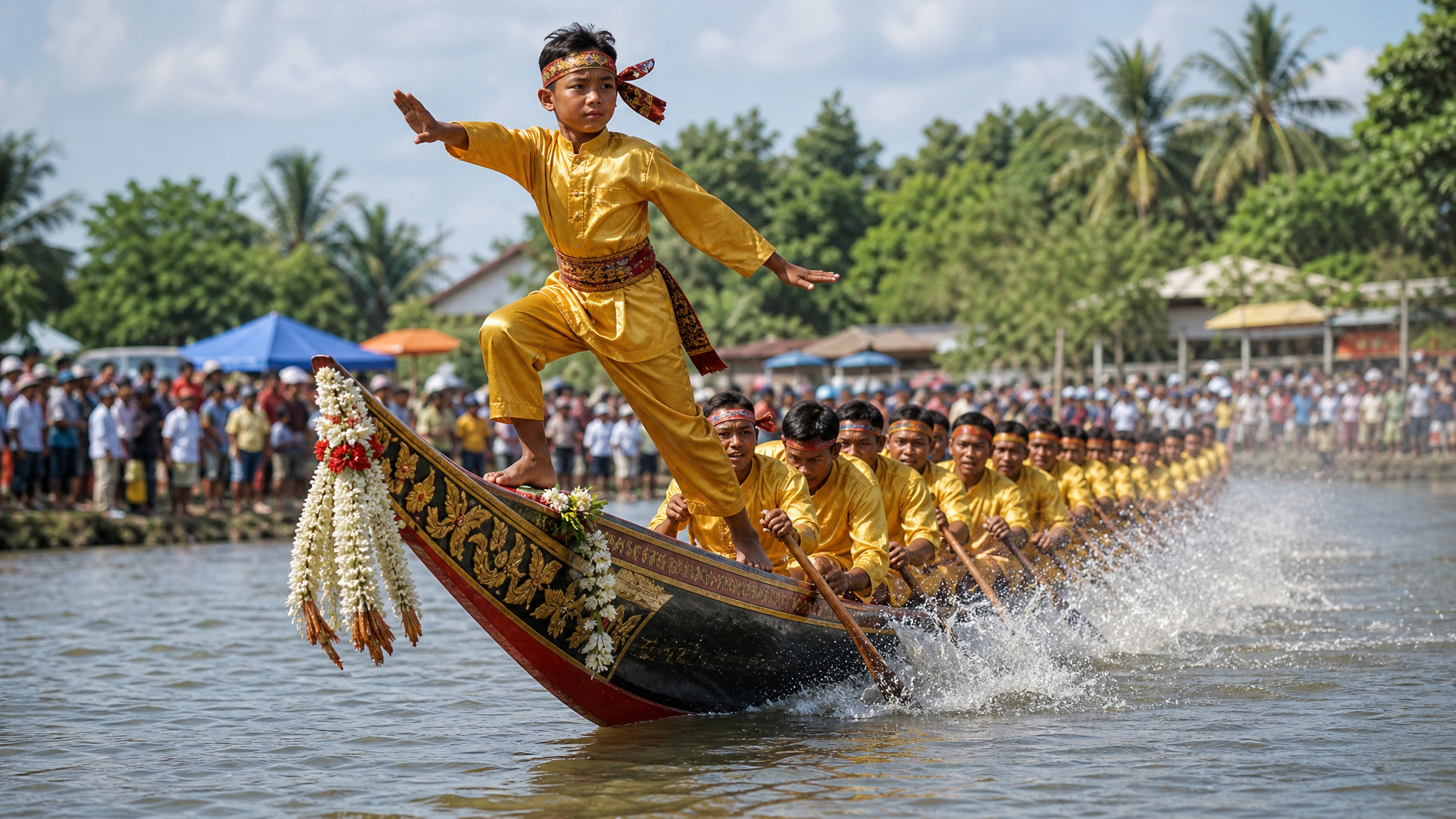
A vivid recent example came from Indonesia during the Pacu Jalur festival. An 11-year-old boy dancing on the bow of a traditional racing boat became a global viral image within weeks, and athletes and celebrities as far as the NFL began copying his stance.
The design lesson is direct. Viral spread often begins with a picture that reads instantly and carries a clear signature even when stripped from its original context. In this case, the setting, the body position, and the boat created an image with unusual timing and immediate memorability.
For brands, that does not mean copying internet spectacle. It means looking for a single visual decision that can hold meaning on its own: a bold silhouette, a surprising scale shift, a distinct pose, or an object placed where it should not be. If the image needs a paragraph before it becomes interesting, it may already be too late.
Public remix can outgrow the original author
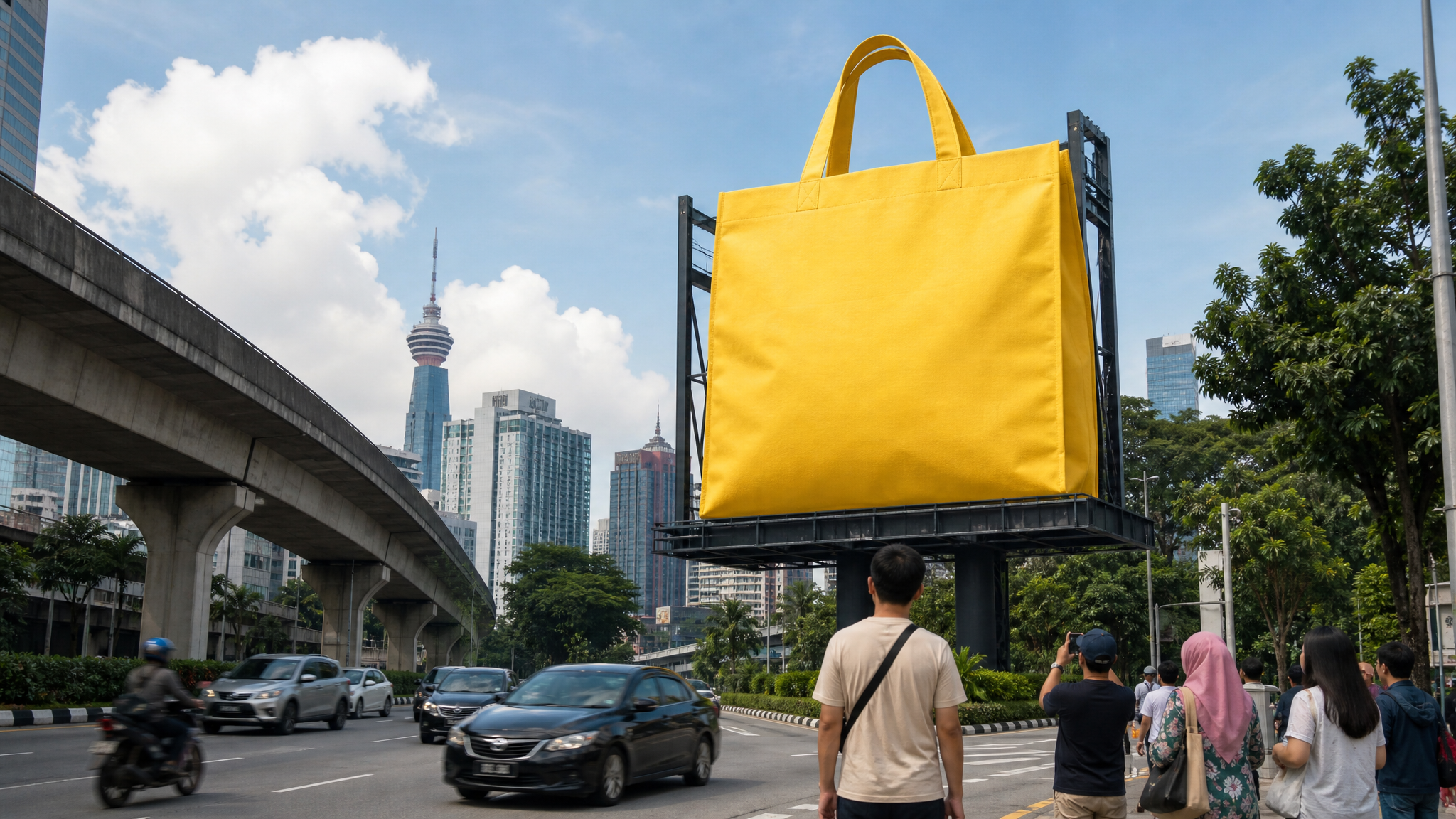
One of the clearest brand examples came from MR.DIY in May 2026. The company installed a Malaysian billboard featuring its yellow reusable bag enlarged to billboard scale as part of the Satu Beg, Seribu Cerita campaign.
The billboard itself was only the beginning. A netizen started generating AI images showing other brands “responding” with their own billboards and witty one-liners, and that public play pushed the campaign further. Real brands including Mydin, Watsons, ZUS Coffee, Tourism Malaysia, and Aeon joined afterward.
That sequence matters. The campaign gained force because people could participate in it, extend it, and restage it in public. The visual device was legible enough for others to remix without losing the joke. Good brand design often works this way now: less like a sealed announcement, more like a framework for shared performance.
There is a practical warning inside that success. If a campaign depends on perfect brand control, it may stall before it spreads. If it offers a clear structure that others can answer, copy, or adapt, it has a better chance of moving through the network. That is especially true when AI image-making lowers the labor required to join the conversation.
Local trust patterns shift by audience and place
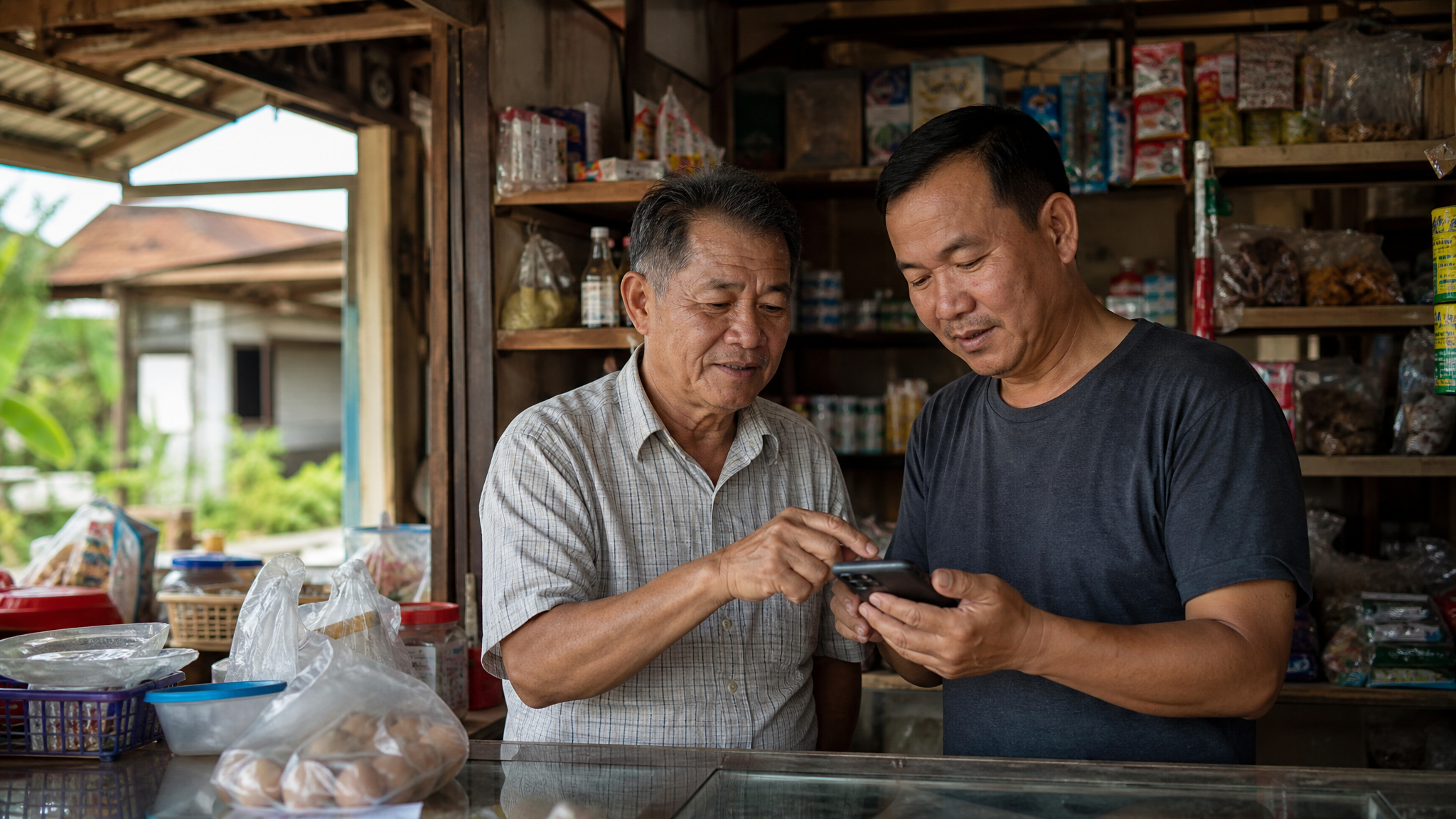
It is easy to overdesign for urban, youth-centered platforms and assume the same mechanics hold everywhere. They do not. In smaller towns, rural areas, and among older or more traditionally oriented audiences, attention still has to be earned through different channels and different trust patterns.
Facebook and WhatsApp carry more weight in many of those contexts than TikTok or Threads. Family recommendations and local retailers still shape what people trust. A message that thrives in one environment may feel thin or misplaced in another.
This does not call for a separate brand identity. It calls for flexible deployment. The same core look may need a different cadence, a different level of explanation, or a more familiar presentation depending on where it appears. Brand systems that travel well tend to separate essentials from surface styling: keep the recognizable core intact, then adapt the wrapper to the setting.
That same principle appears in physical environments too. A neighborhood banner system that lets place lead the identity shows how local context can strengthen recognition rather than dilute it.
Creator fit can matter more than raw reach
Large audiences still matter, but raw reach is not the only useful measure. Smaller and mid-tier creators often generate stronger relative participation because their content sits closer to the communities they serve.
For brand teams, this shifts creator selection away from simple follower counts. The better question is who can produce real engagement inside a defined group. A creator with tighter community ties may drive more comments, more sharing, and more credible recommendation than a much larger account with a looser bond to its audience.
Visually, that usually favors assets with enough brand presence to be recognizable but enough openness to feel native in a creator’s hands. Overfinished campaign packs can flatten that relationship. Lighter assets, short loops, and adaptable branded elements often perform better because they leave room for the creator’s own voice and pacing.
For teams building reusable assets, specific tools can help create that flexibility. Animated logos for social media and social media photo animation are most useful when the motion stays simple enough to support the content rather than overpower it.
Diaspora attention can echo back home
Southeast Asian attention does not stop at national borders. Indonesian, Malaysian, Filipino, Vietnamese, Thai, and Singaporean communities living abroad form active digital networks of their own.
When a conversation gains traction in those circles, it can influence consideration and cultural relevance back home. That makes diaspora audiences more than a secondary media segment. They are often early amplifiers, interpreters, and distributors of meaning across markets.
For designers, this raises the bar on legibility. A visual idea may need to work across distance, mixed contexts, and different levels of cultural proximity. The strongest work usually carries local texture without becoming unreadable outside the immediate setting. It keeps enough specificity to feel real, but enough openness to travel.
Sharper selection beats a larger asset pile
Many teams respond to crowded feeds by producing more assets. Usually the better response is sharper selection. One clear image, one strong hook, and one format built for participation can outperform a larger pile of interchangeable posts.
In Southeast Asia, that means designing for competition over focus, not just competition over reach. It means recognizing that a billboard can become a social prompt, that a local festival image can become a global reference, that Facebook and WhatsApp may matter more than trend-led platforms for some audiences, and that a smaller creator may carry more trust than a bigger one.
The brands that hold attention are rarely the ones saying the most. They are the ones that understand where focus lives, what form can interrupt it, and how to give people a reason to stay for another second.
 Icon Template
 Photo Template
 Logo Template
 Photo Template