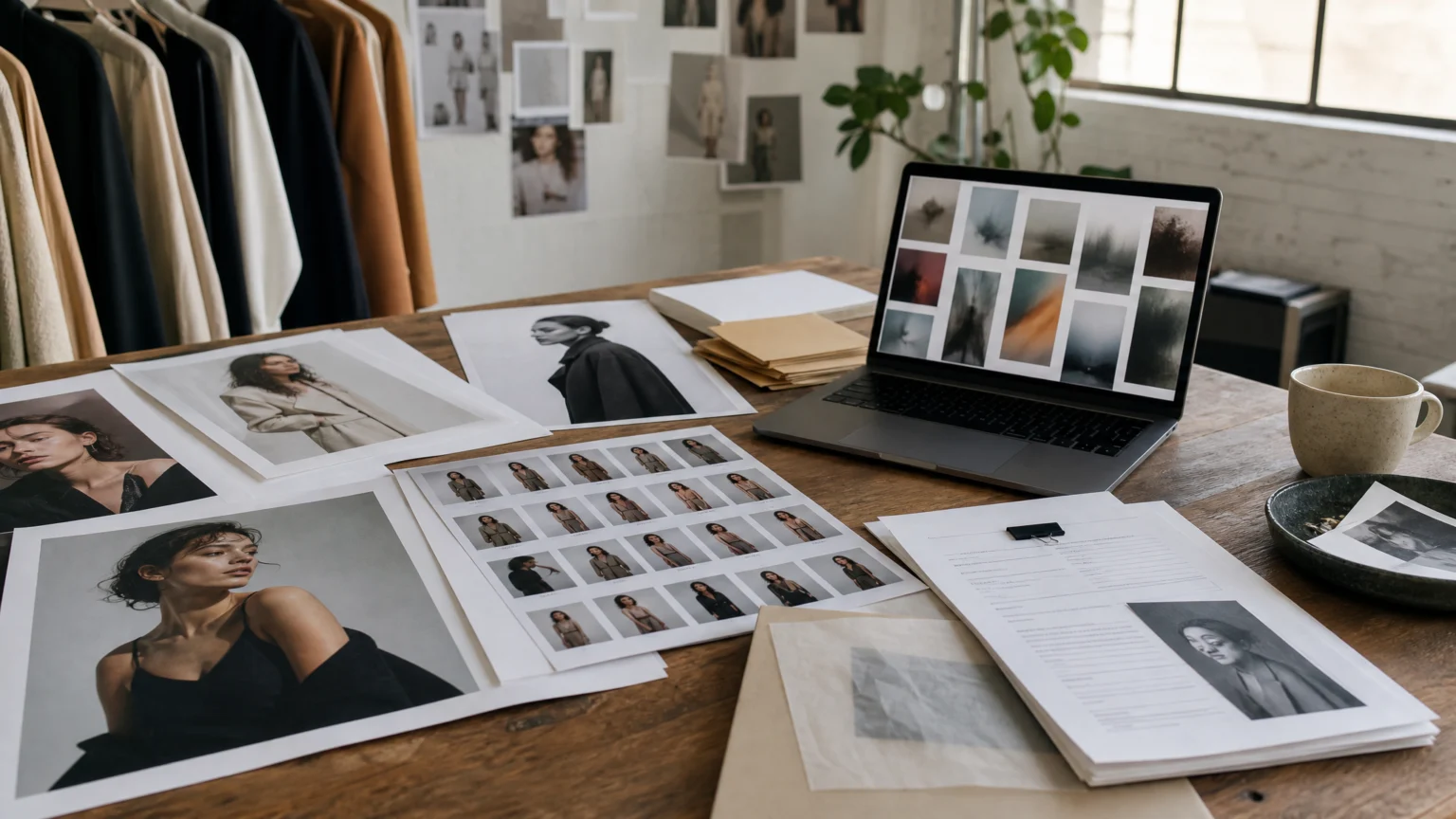
A fashion image can look finished on set and still stay legally unfinished in the file system. Once generative AI starts producing new outputs from a model photo, a standard campaign asset carries a different kind of risk.
The shift is easy to miss because the file may still look close to the original. But the image no longer acts like a simple still. It becomes source material for variation, extension, and replication, and that changes the terms around consent, use, and control.
Fashion imagery now exceeds its original brief
Generative AI can create images from a model photoshoot, and that creates legal risk for fashion brands. A photograph once tied to a specific shoot, layout, or campaign can now feed many new visuals with different timing, framing, and commercial uses.
For creative teams, this is more than a tool update. It changes the life cycle of an asset. A file approved for one use may be pushed into many others, including outputs no one described when the original shoot was commissioned.
Consent moves to the start of the process
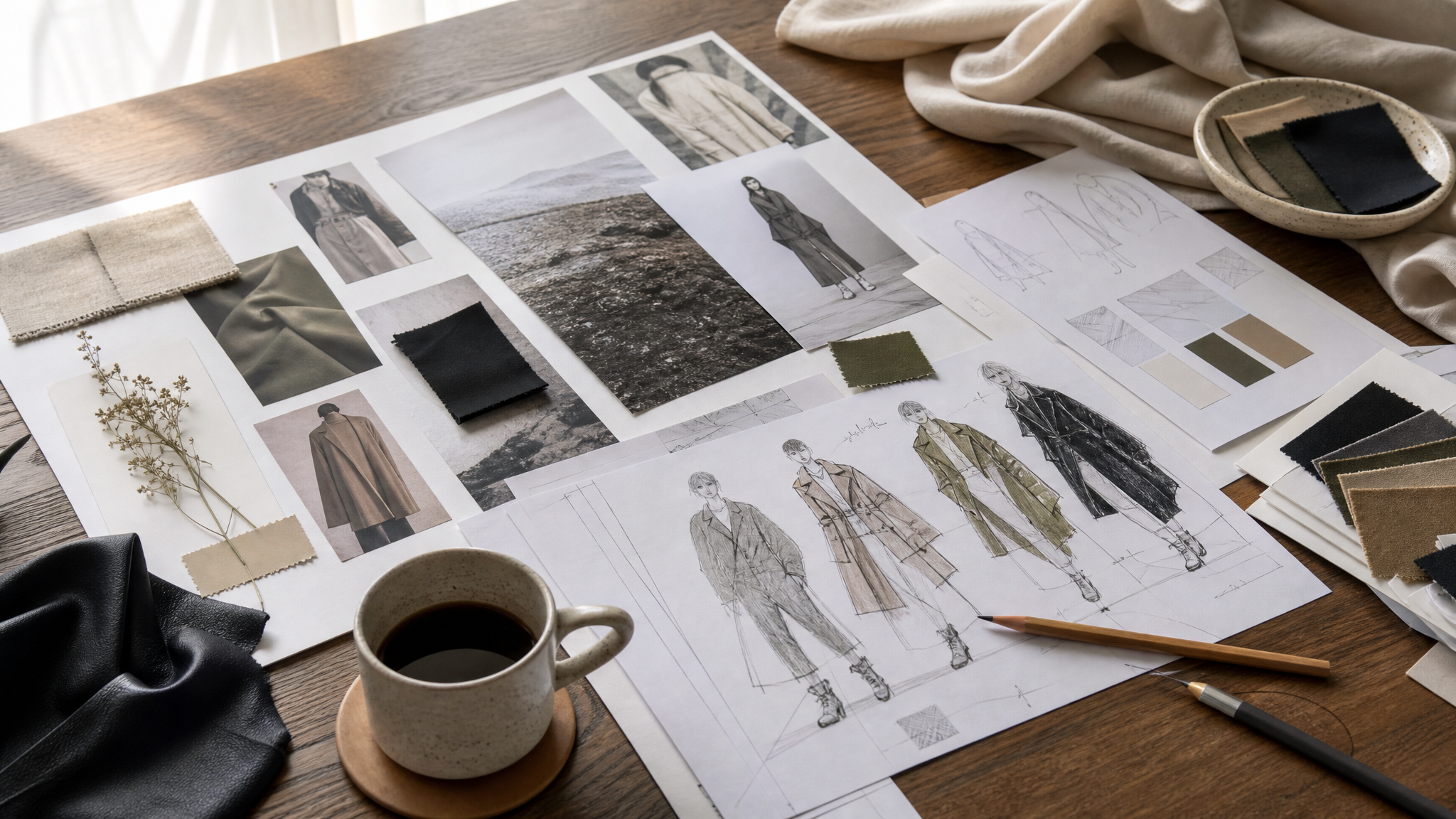
New York’s Fashion Workers Act requires explicit consent for AI-generated images of models. That requirement has practical force: if a brand plans to generate, extend, or restage model imagery with AI, consent cannot hide inside vague language or a general approval chain.
This is where visual production and legal structure meet. Teams often treat consent as paperwork that follows the creative, but AI moves it earlier. Before a concept board turns into outputs, the brand needs clarity on what kind of image-making is actually permitted.
That same clarity helps avoid a common mistake: treating likeness like a stock texture. A model’s presence is not just surface detail inside the composition; it is part of the image’s authorship, value, and signature.
Licensing language built for shoots misses AI use
Existing model and image licensing practices are insufficient for AI uses. Traditional licenses no longer cover AI use, which means brands must update agreements, secure detailed AI consents, and make sure vendors comply with those terms.
That has direct implications for briefs and approvals. If licensing language was written for a photoshoot, a retouch, or a standard crop set, it may not cover synthetic outputs made from those materials. The gap is easy to miss because the files may still look visually related to the original campaign.
Designers and producers can help by naming the intended uses in plain terms before work starts:
- Will model images be used to generate new campaign visuals?
- Will outside vendors handle those files?
- Will outputs appear in paid brand communications or commercial image systems beyond the original shoot?
Those questions may sound administrative, but they shape creative direction. A tighter permissions framework often leads to cleaner decisions, fewer handoffs, and less last-minute scrambling.
Vendor handoffs multiply exposure

The need for vendor compliance is not a footnote. Fashion image production often passes through agencies, editors, retouchers, platform tools, and content teams, and each handoff can blur who is allowed to do what.
If a brand updates its internal agreements but leaves outside partners on older assumptions, the workflow breaks. One team may treat an image as approved only for campaign delivery, while another may treat it as source material for AI-generated variants. The legal risk sits inside that mismatch.
This is one reason organized asset handling matters. Clear labels, permission notes, and defined use states make creative operations easier to trust. Teams already wrestling with version control can borrow a few useful habits from stronger digital asset organization, especially when files move quickly across collaborators.
Likeness rights stay in the frame
AI increases liability risks, but models retain rights unless those rights are explicitly granted. That point is easy to miss when generative tools make the output feel newly made, as if the original likeness has been abstracted enough to reset ownership and control.
It has not. If the likeness remains part of what gives the output its commercial value, the model’s rights still matter. For brands, the visual result is only one layer of approval. The underlying permission structure matters just as much as the final frame.
This is also a useful reminder for teams building AI into brand systems more broadly. Creative control is rarely lost in one dramatic step; it usually slips through small assumptions in setup, review, and export. That same pattern shows up in AI workflow decisions that keep creative control intact.
Better briefs prevent expensive image problems
A practical response starts before production. If AI use is possible, the brief should say so. If AI-generated model imagery is out of scope, that should be equally plain.
From there, agreements need to match the real workflow rather than the old one. Detailed AI consents, updated licenses, and explicit vendor obligations are not decorative safeguards. They are part of the production choreography that keeps a brand’s image system usable and defensible.
For teams making moving assets from still photography, the same principle applies: rights should travel with the asset, not get guessed at later. A page like social media photo animation points to a familiar production habit—turning still images into new formats for wider circulation. AI-generated fashion imagery raises a sharper version of that same operational question: what exactly is permitted when an image changes form?
Even a standard motion adaptation can benefit from a check on asset status before production begins. Teams exploring broader photo motion effects often focus on style first, but permission is part of craft too. It determines which images are safe to extend and which should stop at their original use.
Visual systems now need matching permission systems
Fashion brands are used to managing color, crop, casting, styling, and consistency. AI adds a parallel layer: managing what a model image is allowed to become.
That does not need to slow the work down. It asks for clearer terms at the start, better asset handling in the middle, and stricter vendor alignment at the end. When those pieces are in place, the brand can move with more confidence, because the image is doing exactly the job it was allowed to do.
 Icon Template
 Logo Template
 Photo Template
 Photo Template